Lion's Dawn
[Verse 1]
In Tehran's shadowed alleys, candles burn low,
Rial turns to dust, but our fire still glows.
Sara slips through the night, scarf loose in the wind,
Chanting for tomorrow where the old chains end.
Bruises on her skin from the basijis' rage,
But in her eyes, the spark of a turning page.
[Pre-Chorus]
We've queued for water, sold our gold for bread,
Power flickers out, but hope fills our head.
From bazaar strikes to Kurdish hills so high,
The people's roar echoes 'cross the sky.
[Chorus]
Oh, Lion's Dawn, rise over the minarets high,
Break the blackout, let the free voices fly.
From Enghelab to Evin's cold embrace,
We are Persia reborn, reclaiming our place.
No more for Gaza, our blood's for Iran,
Pahlavi's call, a new day began.
Lion's Dawn, awaken the ancient flame,
Freedom's our birthright, we'll stake our claim.
[Verse 2]
Amir dreams in the dark of fields without fear,
Laleh teaches the truth they tried to bury here.
Reza counts the cost, the sanctions' heavy toll,
But in every protest, we heal our soul.
Cousins lost in clashes, bodies in the street,
Mullahs' crackdown fierce, but we won't retreat.
[Pre-Chorus]
Inflation devours, unemployment bites,
Nuclear ruins smolder under foreign lights.
Khamenei's frail, his throne starts to crack,
The IRGC tires, we won't turn back.
[Chorus]
Oh, Lion's Dawn, rise over the minarets high,
Break the blackout, let the free voices fly.
From Enghelab to Evin's cold embrace,
We are Persia reborn, reclaiming our place.
No more for Gaza, our blood's for Iran,
Pahlavi's call, a new day began.
Lion's Dawn, awaken the ancient flame,
Freedom's our birthright, we'll stake our claim.
[Bridge]
We dare to ask the West, stand by our side,
Sanctions on the tyrants, let justice be our guide.
Satellite signals pierce the veil of night,
Humanitarian aid, fuel our fight.
No invasion needed, just voices loud and clear,
Isolate the regime, make freedom near.
Persia's heart beats strong, through blood and tear,
The lion roars again—can you hear?
[Chorus]
Oh, Lion's Dawn, rise over the minarets high,
Break the blackout, let the free voices fly.
From Enghelab to Evin's cold embrace,
We are Persia reborn, reclaiming our place.
No more for Gaza, our blood's for Iran,
Pahlavi's call, a new day began.
Lion's Dawn, awaken the ancient flame,
Freedom's our birthright, we'll stake our claim.
[Outro]
Lion's Dawn... (fading echoes)
Persia rises... freedom calls...
Lion's Dawn...
Iran - January 15, 2026
As of January 15, 2026, Iran is in the midst of a nationwide uprising that has lasted nearly three weeks, triggered by severe economic hardship but escalating into widespread demands for political change. The protests, which began on December 28, 2025, in Tehran's Grand Bazaar over the collapse of the rial and soaring inflation, have spread to all 31 provinces and over 500 locations, marking one of the most significant challenges to the Islamic Republic since the 1979 revolution. While the regime has responded with a brutal crackdown, including mass killings and an internet blackout, the unrest shows signs of straining its control, though the outcome remains uncertain.
Economic Destabilization
Iran's economy is indeed in freefall, exacerbated by longstanding issues and recent events. The rial has plummeted to record lows, trading at over 1.4 million to the U.S. dollar—down from around 700,000 in early 2025—driving annual inflation to approximately 40-50%. Food prices have surged by 60-70%, youth unemployment hovers near 28%, and chronic problems like water shortages, power outages, and corruption have compounded the crisis. The World Bank projected economic contraction for 2025 and 2026, with sanctions—reimposed by the UN in September 2025 and intensified by U.S. measures—choking revenue and trade. The 12-day war with Israel and the U.S. in June 2025 drained resources further, while the regime's funding of regional proxies (e.g., in Gaza and Lebanon) has drawn protester chants like "No to Gaza, no to Lebanon—my life for Iran!" Recent U.S. actions, including a 25% tariff on countries trading with Iran and new sanctions on officials, have added pressure. The central bank governor was replaced in late 2025 in an attempt to stabilize the situation, but strikes and bazaar closures continue to paralyze commerce.
Nuclear Threat Minimized but Rebuilding Efforts Underway
The nuclear program has been significantly curtailed following U.S. and Israeli strikes during the June 2025 conflict, which destroyed key facilities and left nearly half a ton of near-weapons-grade uranium unaccounted for. Iran halted uranium enrichment at all sites in late 2025, signaling openness to negotiations, and the IAEA has noted non-cooperation but no active weaponization. However, satellite imagery shows reconstruction at sites like Taleghan 2 (a former nuclear weapons development facility destroyed in 2024), indicating determination to rebuild despite the setbacks. Israeli Prime Minister Benjamin Netanyahu has warned of strikes if Iran revives its missile or nuclear programs, while U.S. President Donald Trump has kept military options open, including potential targets like nuclear sites. The expired JCPOA (2015 nuclear deal) leaves Iran without sanctions relief, further isolating it economically.
Ongoing Uprising and Violent Crackdown
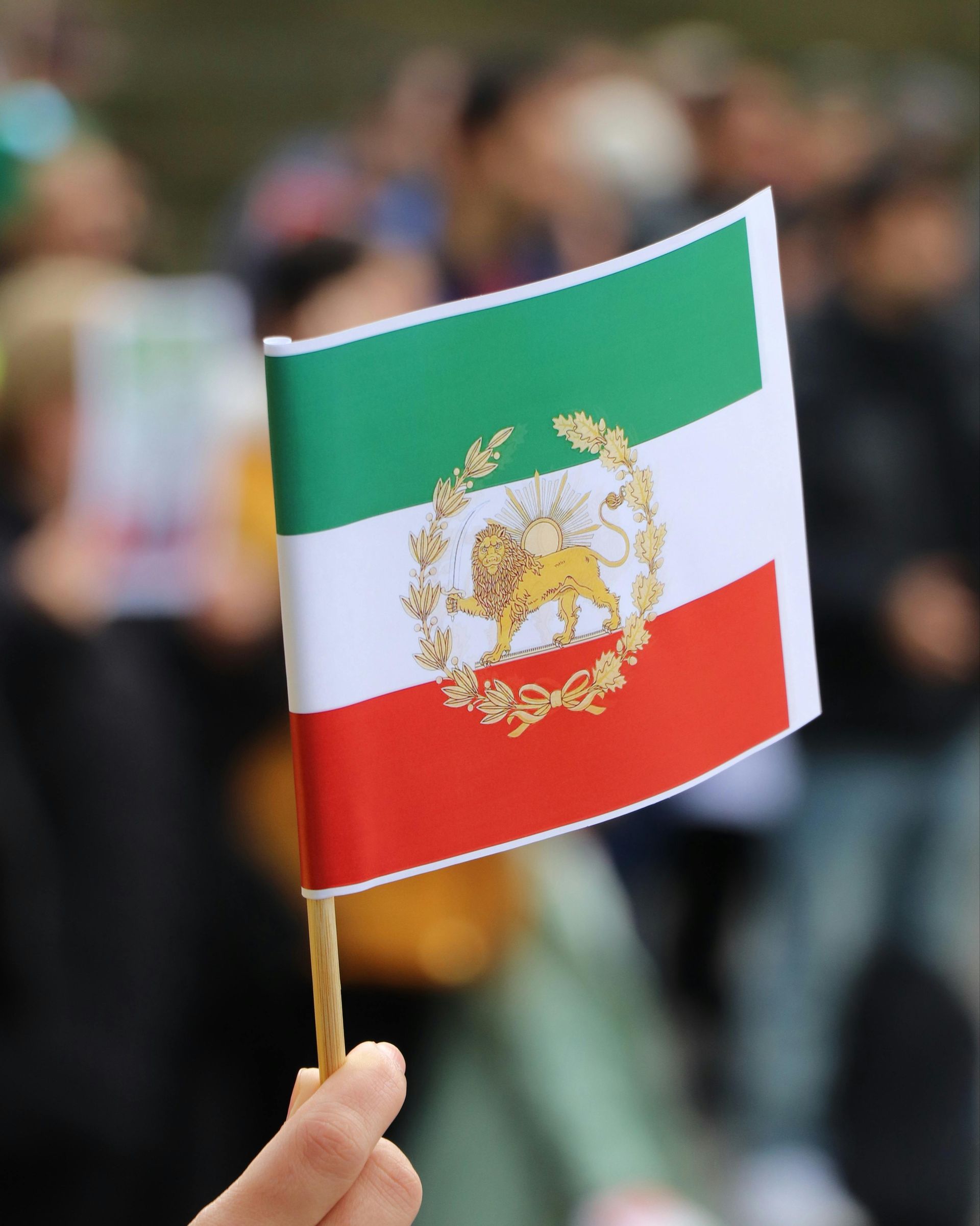
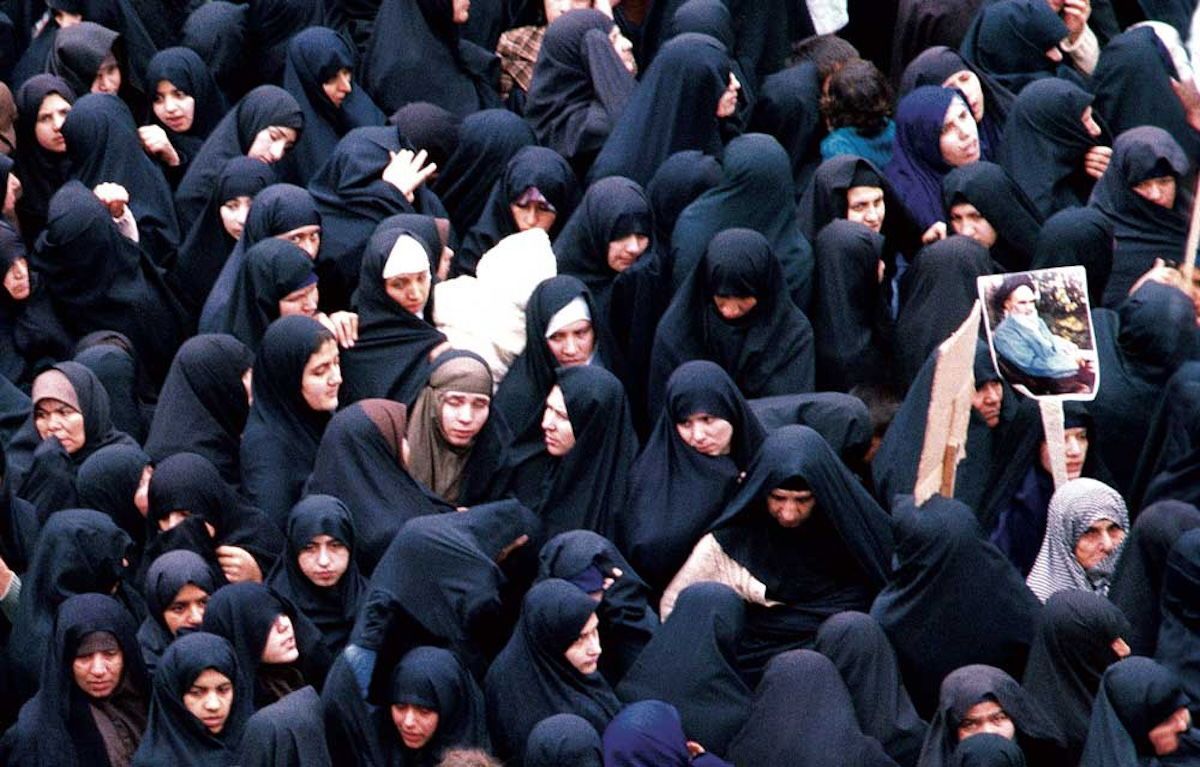
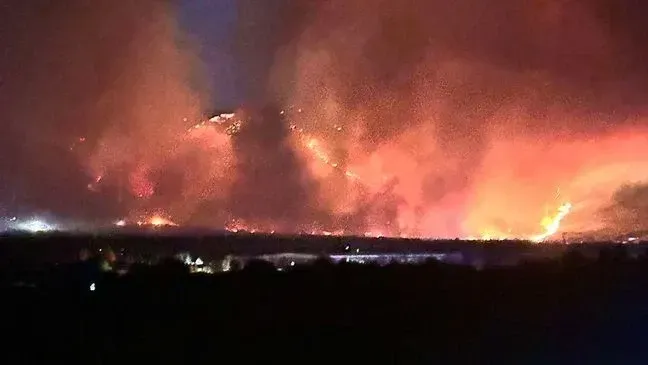
The protests have evolved from economic grievances to explicit anti-regime demands, with crowds chanting "Death to the dictator!" (referring to Supreme Leader Ali Khamenei), calls for the return of Reza Pahlavi (the exiled crown prince advocating for a secular democracy), and slogans like "Pahlavi will return!" Demonstrations involve diverse groups—workers, students, merchants, and even traditionally loyal areas—spanning strikes, clashes, and armed resistance in places like Kermanshah. The regime imposed a nationwide internet and communications blackout on January 8 to conceal the violence, but reports indicate security forces firing indiscriminately, using machine guns, tear gas, and mass arrests. Estimates of protester deaths range from 2,000-3,000 (official and rights groups like HRANA) to as high as 12,000-20,000 (activist and media reports), with over 18,000 arrested and at least 135 security personnel killed. The crackdown is described as unprecedented, with anecdotal evidence of thousands of bodies in morgues and hospitals. Protests have slowed in some urban areas due to repression, but continue in rural and border regions, straining security forces.
Prospects for Freedom
The outlook for greater freedom in Iran is precarious but potentially transformative. The regime's brutality has quelled some activity, but the protests—fueled by decades of resentment, recent military defeats, and economic exhaustion—have exposed deep vulnerabilities, including bandwidth constraints on security forces and a looming succession crisis for the aging Khamenei (86). Analysts describe this as a possible tipping point, with the regime in "survival mode" and no clear economic or political fixes. External factors could tip the balance: Trump's threats of "strong action" (e.g., strikes on security or nuclear sites, cyber operations) if killings continue, combined with Israeli warnings, have encouraged protesters and deterred mass executions so far. Opposition groups like the National Council of Resistance of Iran (NCRI) and Pahlavi's supporters advocate for a democratic transition, possibly via referendum, drawing on pre-1979 secular models. However, the regime's history of surviving unrest (e.g., 2019, 2022) through repression, combined with internal divisions and potential for escalation (e.g., threats to U.S. bases), suggests it could endure short-term. Long-term, sustained protests and international isolation may force concessions or collapse, offering a path to freedom if pragmatic elements within the system (e.g., IRGC moderates) push for reform. The Persian people, with 90% reportedly opposing the regime, have shown resilience, but the human cost is already staggering.