That Blue Dress
One little stain and the whole world lost its mind...
If you know ... you now. The most famous drycleaning NO! in history! Close but no cigar, I guess.
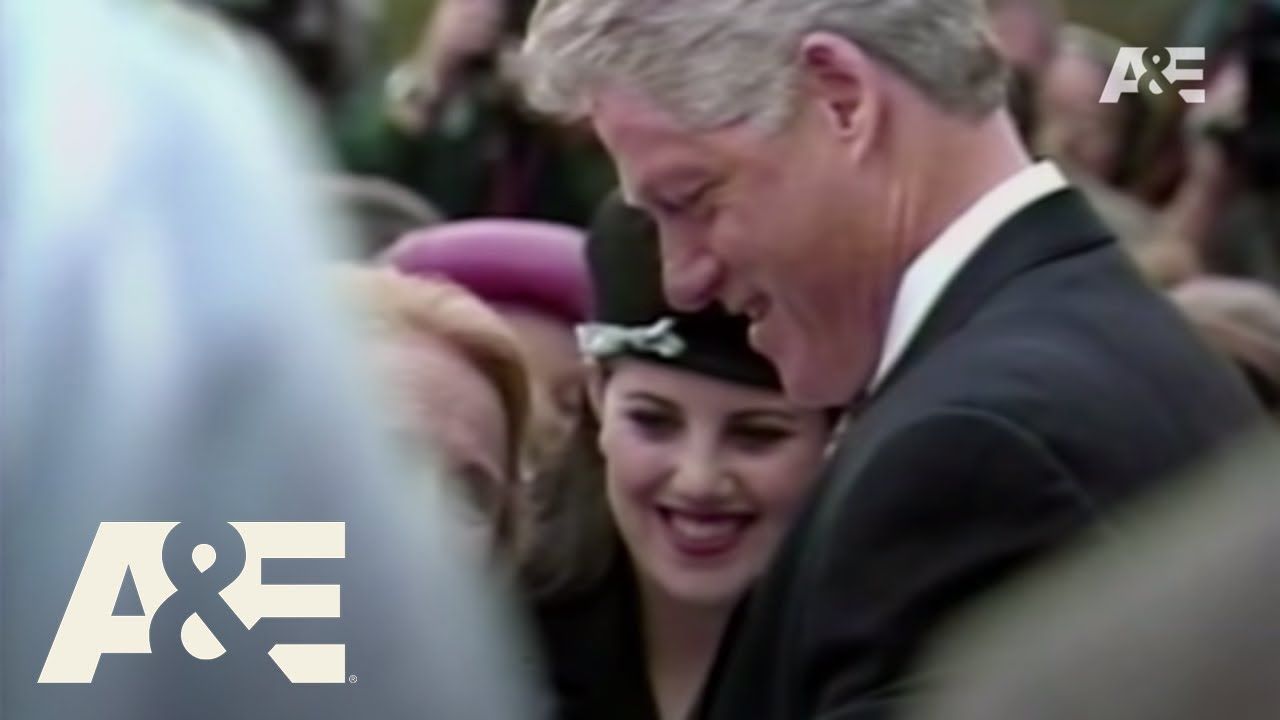
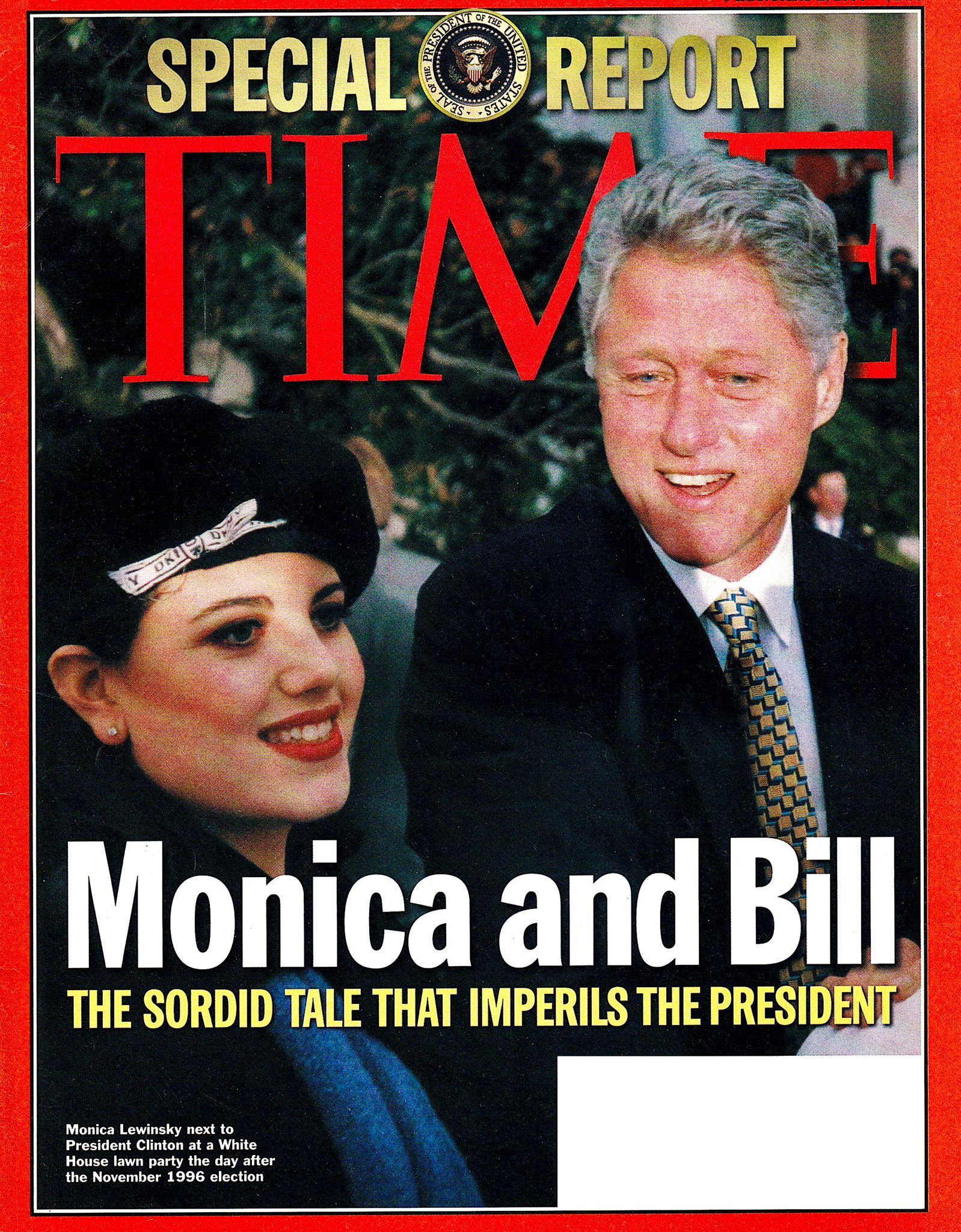
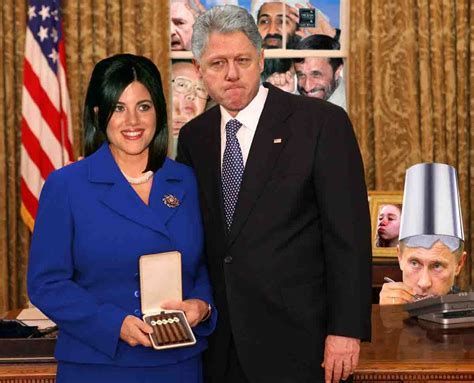
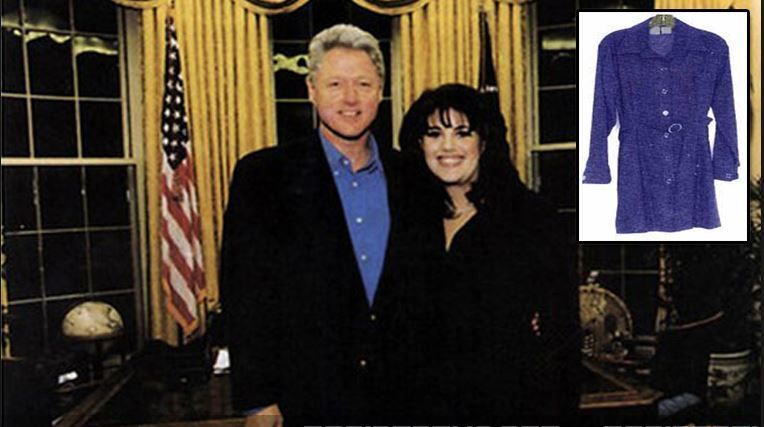
Posts on this site may contain copyrighted material, including but not limited to music clips, song lyrics, and images, the use of which has not always been specifically authorized by the copyright owner. Such material is made available for purposes such as criticism, commentary, news reporting, teaching, scholarship, education, or research, in accordance with the principles of fair use under Section 107 of the U.S. Copyright Act.
That Blue Dress
[musical intro]
[Verse 1 – Male lead, laid-back]
She wore it once in ’97, Gap rack, twenty-nine ninety-five
Didn’t know it’d make the history books and keep late-night shows alive
She said “Mr. President, hold my calls,” he said “Girl, you read my mind”
Nine times in that Oval playground, but the tenth one left a sign
[Pre-Chorus – Female lead, teasing]
Spinach dip? Yeah, right
That’s what she told her mom that night
Hung it in the closet like a loaded gun
Waiting for the smoking bun
[Chorus – Big stacked harmonies, male & female together]
That blue dress, that blue dress
DNA on the evening news, oh what a mess
That blue dress, that blue dress
Bill said “I did not” – the fabric said “yes”
Oh-oh-oh, that blue dress
Still hanging in an evidence room, I guess
Oh-oh-oh, that blue dress
The most famous dry-cleaning no in US
[Verse 2 – Female lead, playful sarcasm]
Linda Tripp on the phone going “Girl, don’t you dare wash it”
Monica’s like “Why?” Linda’s like “Just trust me, it’s historic”
Ken Starr wrote a footnote, Congress read it out loud
Now every intern in DC knows exactly what goes down on that couch
[Pre-Chorus – Male lead, mock-serious]
Cigar? Check. Beret? Check
Secret Service looking anywhere but direct
One little stain and the whole world lost its mind
Guess that’s what happens when power and hormones collide
[Chorus – Even bigger harmonies]
That blue dress, that blue dress
Turned a White House fling into a national confess
That blue dress, that blue dress
Impeached but not removed – close but no cigar, I guess
Oh-oh-oh, that blue dress
Epstein even bought the painting, what a flex
Oh-oh-oh, that blue dress
Bill in heels on canvas, what comes next?
[musical interlude]
[Bridge – Both trading lines, half-spoken]
Male: “I did not have sexual relations…”
Female: With that dress? Buddy, you super did
Male: It’s just depends on what your definition…
Female: Of “is” is – yeah, we all saw the skid
Both: Skid marks of the century!
[Final Chorus – Huge, stadium-size harmonies, handclaps]
That blue dress, that blue dress
Still the champ of presidential distress
That blue dress, that blue dress
Monica’s out here thriving, more or less
Oh-oh-oh, that blue dress
If it ever hits eBay, place your bets
Oh-oh-oh, that blue dress
Dry clean only – and never, ever forget
[Outro – Both laughing over fading guitars]
Male: Should’ve gone with the red one…
Female: Too late, baby, the blues won
Both: That blue dress… (ooh-ooh-ooh)
That blue dress… forever!
[musical outro]
The Blue Dress: Symbol of Scandal, Stain of Truth, and Echoes in Art
In the annals of American political history, few artifacts have wielded such outsized influence as Monica Lewinsky's blue dress—a simple navy Gap garment that transformed from wardrobe staple to forensic linchpin, cultural punchline, and enduring emblem of power, deception, and vulnerability. Worn during a clandestine encounter with President Bill Clinton on February 28, 1997, the dress bore a semen stain that would unravel denials, ignite impeachment proceedings, and spawn a torrent of myths. Yet, its legacy extends beyond the Clinton scandal, resurfacing in bizarre contemporary contexts, such as the infamous painting owned by Jeffrey Epstein, where it serves as a mocking nod to the original's notoriety. This essay disentangles the facts from the fabrications surrounding the dress, while tracing its mythic evolution and its surreal invocation in Epstein's macabre decor.
The Facts: A Garment's Unintended Role in History
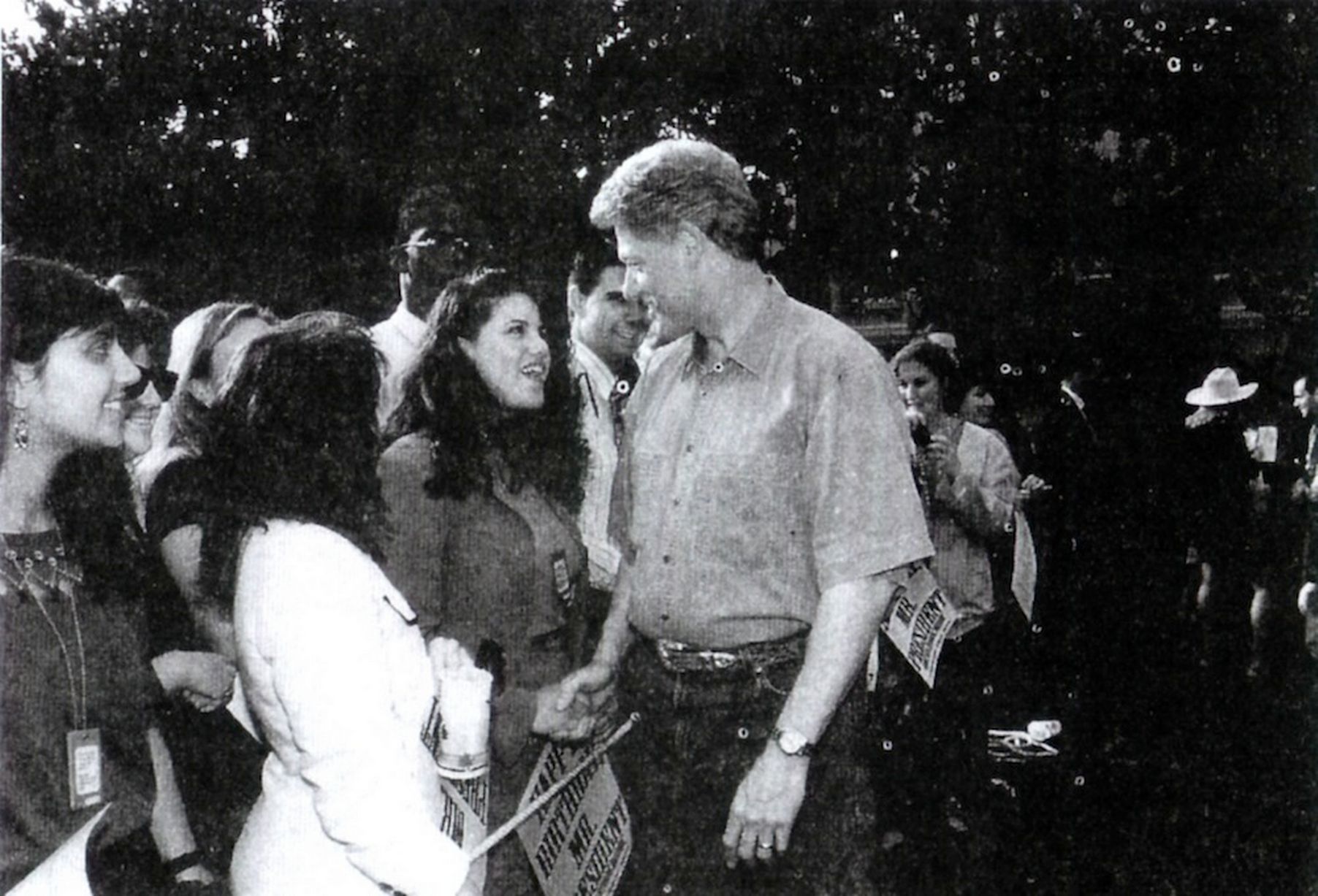
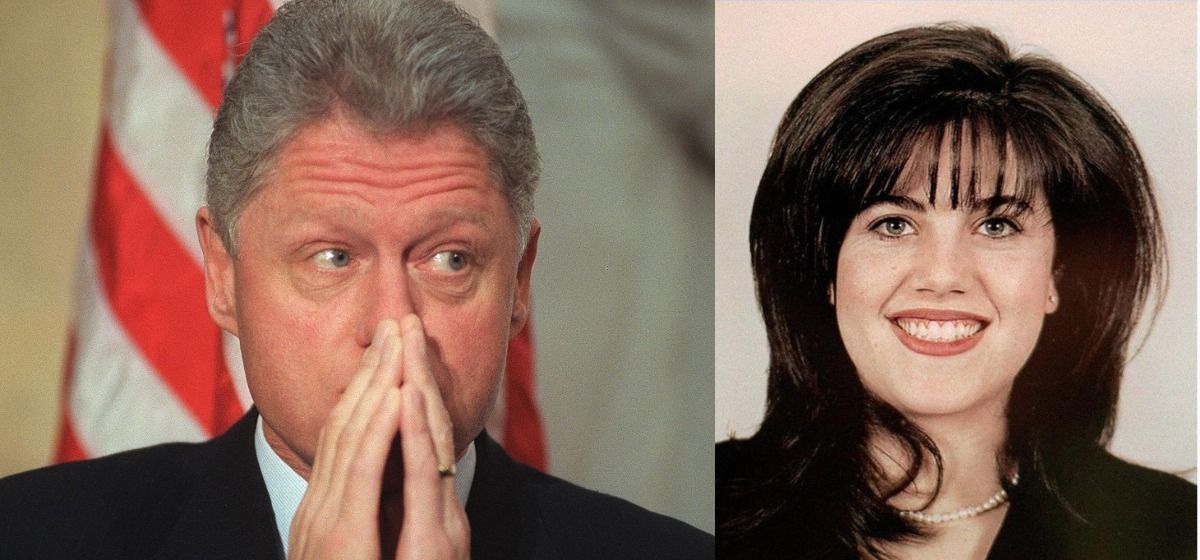
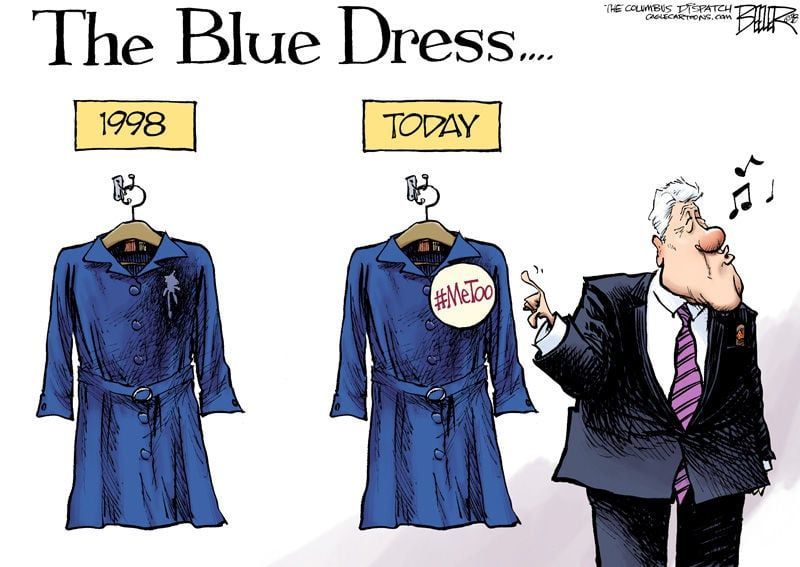
The blue dress entered the public consciousness amid the Clinton-Lewinsky affair, which unfolded between November 1995 and March 1997. Lewinsky, a 22-year-old White House intern, described nine sexual encounters with the president, primarily involving oral sex but stopping short of intercourse. The February 1997 incident, occurring in the Oval Office, marked a pivotal moment: after initial intimacy, Lewinsky reciprocated, leading to the president's completion—and the telltale stain on her dress. Lewinsky later recalled noticing the spots when retrieving the dress from her closet, initially mistaking them for something innocuous like spinach dip, though her taped conversations with confidante Linda Tripp revealed she suspected their true origin.
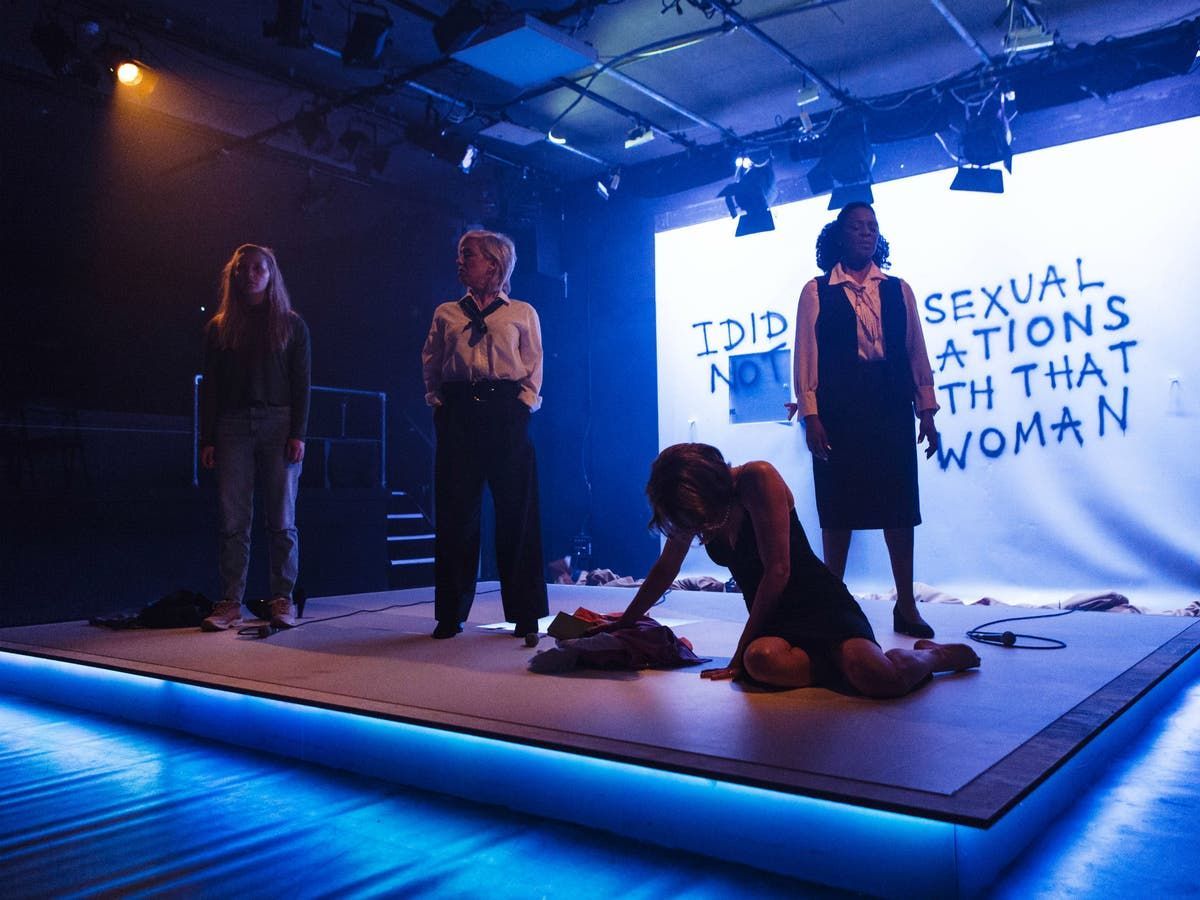
Tripp, whose secretly recorded 20 hours of phone calls with Lewinsky would become a cornerstone of Special Prosecutor Kenneth Starr's investigation, played a crucial role in preserving the evidence. In November 1997, as Lewinsky planned to dry-clean the dress for a family event, Tripp dissuaded her, framing it as a safeguard against potential accusations of fabrication. Tripp's motives were laced with animus toward Clinton; she consulted literary agent Lucianne Goldberg about even stealing the dress to hand it to investigators. By January 1998, as the scandal erupted—fueled by Clinton's infamous January 26 denial, "I did not have sexual relations with that woman, Miss Lewinsky"—the dress remained unlaundered, tucked away at Lewinsky's mother's home.
The garment's forensic significance emerged in July 1998. Under an immunity deal with Starr's office, Lewinsky surrendered the dress on July 28. FBI lab analysis confirmed the stains as semen, and a blood sample from Clinton, drawn on August 3 in the White House Map Room, yielded a DNA match "to a reasonable degree of scientific certainty." The genetic markers aligned with one in 7.87 trillion among Caucasians, per the Restriction Fragment Length Polymorphism (RFLP) test. This irrefutable evidence demolished Clinton's semantic defenses, including his August 17 grand jury testimony parsing the meaning of "is." The Starr Report, released in September 1998, detailed the dress's journey in footnotes, cementing its place as the scandal's "smoking gun."
Politically, the dress precipitated Clinton's December 1998 impeachment by the House on perjury and obstruction charges, though the Senate acquitted him in 1999. For Lewinsky, it amplified her public shaming; she cooperated fully, testifying before the grand jury and authoring *Monica's Story* in 1999, but the garment's handover was a reluctant capitulation, not a trophy. Today, the dress resides in a secure federal evidence locker, its whereabouts classified to prevent auction or theft—though speculation persists about its potential release post-investigation.
The Myths: Souvenirs, Sensationalism, and Shaming
From the outset, the blue dress was shrouded in exaggeration, transforming a piece of evidence into a grotesque icon. One persistent myth portrays Lewinsky as a calculating seductress who hoarded the stained dress as a "souvenir" of conquest—a narrative peddled by early media leaks and Tripp's tapes. ABC News first reported on January 23, 1998, that Lewinsky had saved it "apparently as a kind of souvenir," based on a single source, sparking widespread derision. Yet Lewinsky testified she viewed it as incidental, not memorabilia; her reluctance to clean it stemmed from Tripp's manipulation, not malice. This trope unfairly cast her as complicit in her own objectification, ignoring the power imbalance with a 49-year-old president.
Media frenzy amplified other distortions. Initial coverage, including MSNBC's January 28 report of "laboratory test results" on seized dresses (none of which matched), sowed confusion, with outlets like ABC hedging due to the story's "unsavory nature." By August 1998, Pew Research noted the scandal dominated 1998 airwaves, with the dress shorthand for betrayal—yet often stripped of context, reducing Lewinsky to a punchline on late-night shows. Comedians quipped about "protein stains," while politicians like Senator Orrin Hatch hailed it as "very critical" proof, blending fact with voyeurism.
A subtler myth lingers in pop culture: the dress as Clinton's sole vulnerability. In reality, it corroborated broader evidence—Tripp's tapes, gifts, and witness accounts—but its tangibility made it mythic, symbolizing how one unwashed item could topple a presidency. Lewinsky herself sought to demythologize it in a 2014 Vanity Fair essay, urging to "burn the beret and bury the blue dress," lamenting its role in her cyberbullying ordeal. Yet myths endure; online forums still speculate why she didn't wash it sooner, ignoring the affair's emotional toll and Tripp's interference.
Epstein's Infamous Painting: A Grotesque Revival
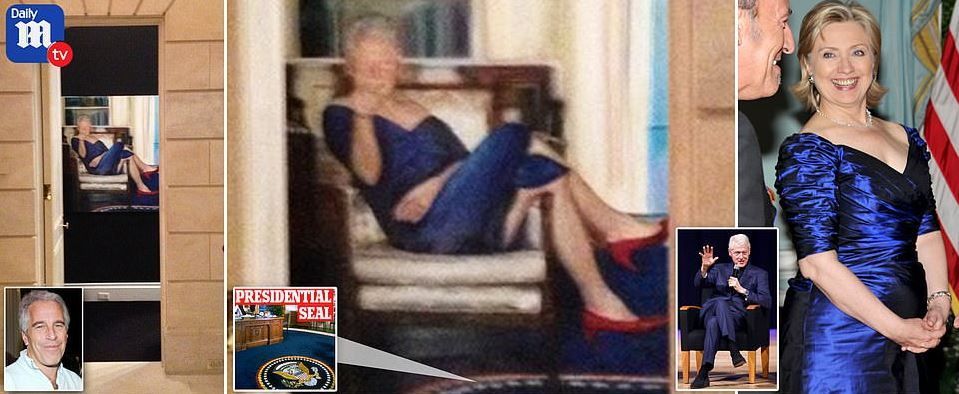
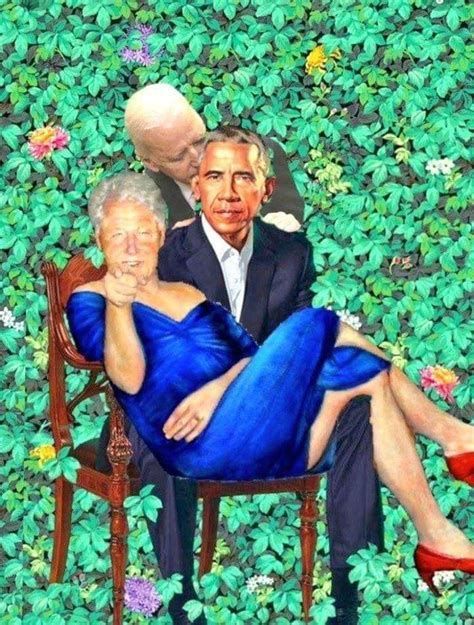
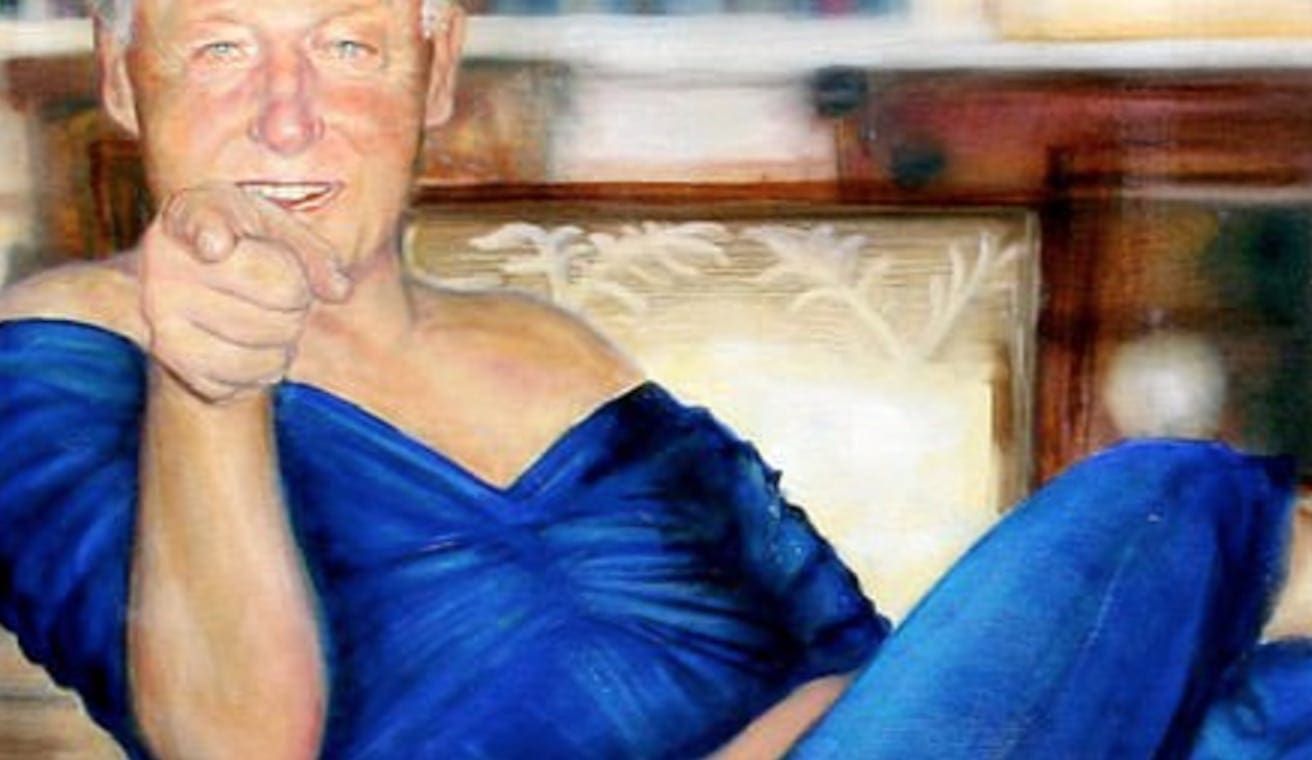
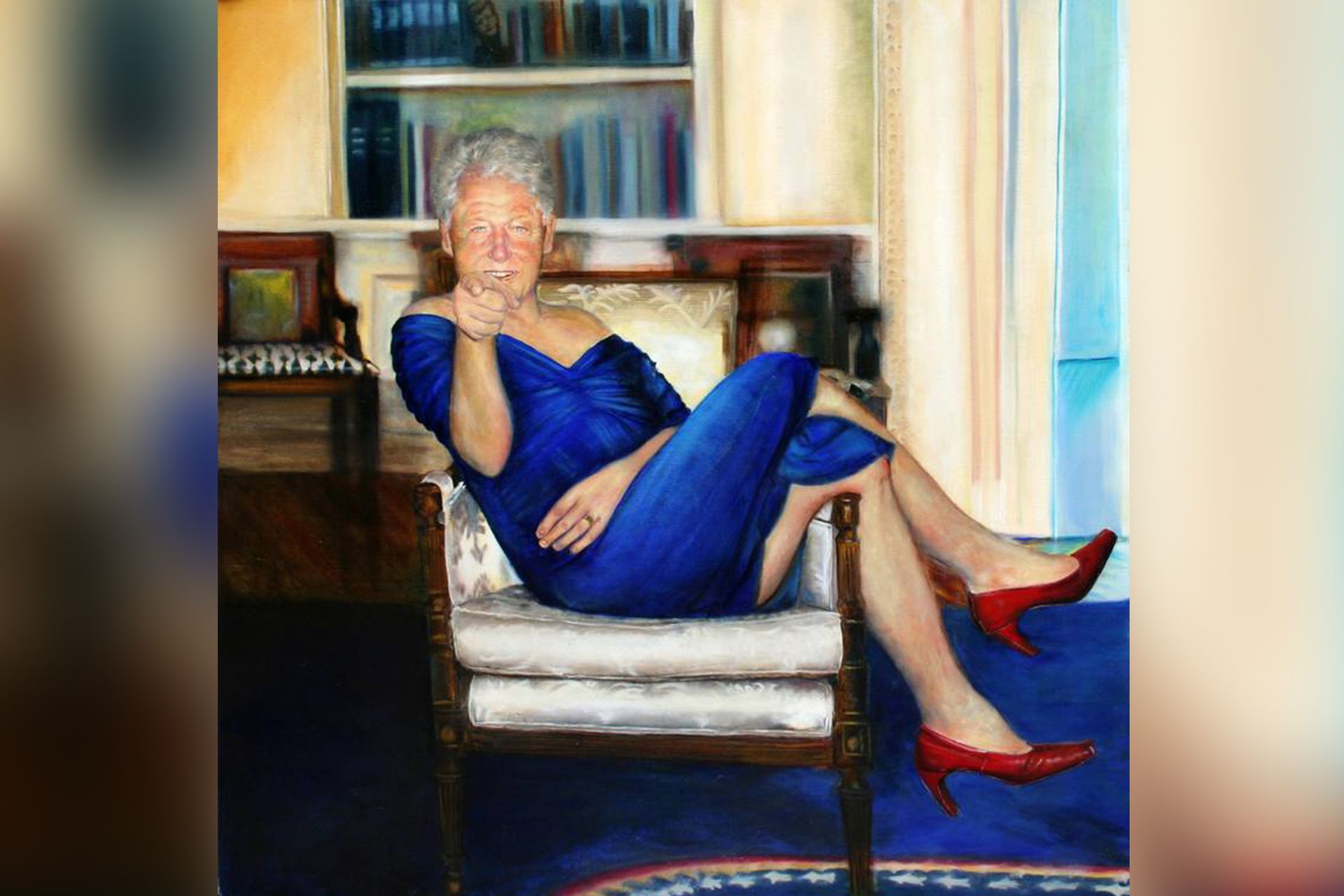
The blue dress's mythic pull resurfaced in 2019 amid Jeffrey Epstein's downfall, when reports revealed *Parsing Bill*, a 2012 oil painting by Petrina Ryan-Kleid, hanging prominently in his Manhattan townhouse. The artwork depicts Clinton lounging seductively in the Oval Office, clad in a blue dress and red heels, pointing coyly at the viewer—a direct allusion to Lewinsky's garment and the affair's lurid legacy. Ryan-Kleid, creating it as a master's thesis at the New York Academy of Art, intended a satirical diptych: *Parsing Bill* mocked Clinton's Lewinsky wordplay, while its companion, *War Games*, lampooned George W. Bush's Iraq War deceptions. "It was just a silly school artwork... showing the messages we are bombarded with," she told Artnet, emphasizing its lighthearted critique.
Epstein's ownership, however, twisted it into something sinister. Purchased at a 2012 academy fundraiser (Ryan-Kleid lost track of the buyer), the painting adorned a staircase-adjacent room in his Upper East Side mansion, alongside oddities like a wedding-dress-clad doll from a chandelier and a photorealistic prison mural. Law enforcement sources described visitors smirking at it, underscoring Epstein's penchant for provocative taunts—especially poignant given his ties to Clinton, who flew on Epstein's plane multiple times in 2002-2003. Though unproven as direct blackmail, the piece fueled conspiracy theories, amplified in 2025 by Epstein file releases.
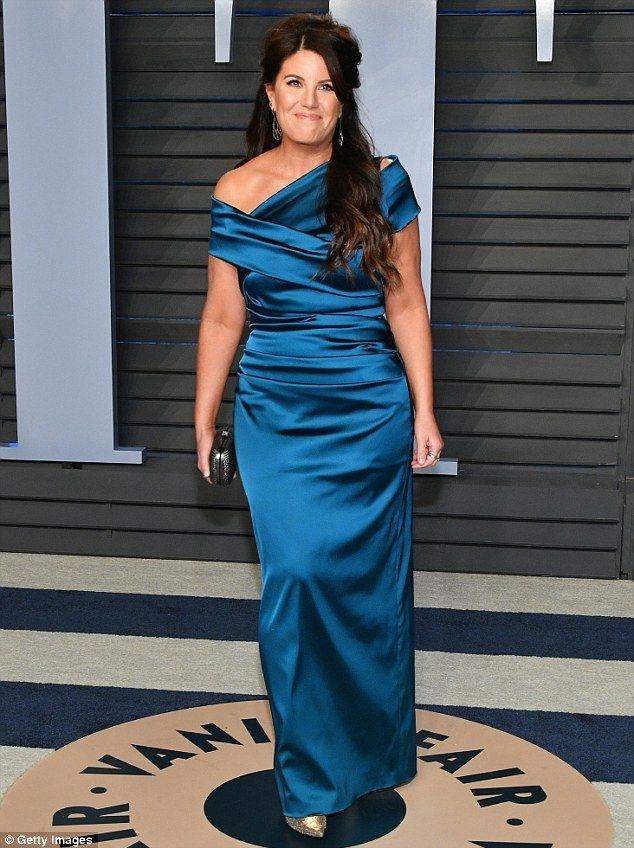
For Lewinsky, the revelation was a fresh wound; photographed dining in Los Angeles days after the 2019 Daily Mail exposé, she embodied quiet resilience amid renewed scrutiny. The painting mythologized the dress anew, blending scandal with Epstein's predation, yet Ryan-Kleid's surprise at its placement highlighted art's unintended migrations into darkness.
Legacy: From Stain to Symbol of Reckoning
Monica Lewinsky's blue dress endures not merely as a relic of 1990s tabloid excess but as a mirror to America's fraught dance with sex, power, and accountability. Its facts—preserved by Tripp, proven by DNA—dismantled a presidency's facade, while its myths reduced a young woman to caricature. Epstein's painting, a campy echo in a house of horrors, reminds us how symbols of vulnerability can be weaponized by the powerful. In 2025, with Lewinsky an anti-bullying advocate, the dress's story urges burial not of the garment, but of the shame it perpetuated. As she wrote, it's time to evolve beyond the stain—to honor the human beneath the myth.
This is original work is produced by AK Darvinson with a combination of observation, critical thinking, insight, heart, compassion, passion, creativity, and technology. All rights are reserved. Free sharing is encouraged. Commercial use via license only.
Share: