Ashes of the Golden State
neglect by design
Posts on this site may contain copyrighted material, including but not limited to music clips, song lyrics, and images, the use of which has not always been specifically authorized by the copyright owner. Such material is made available for purposes such as criticism, commentary, news reporting, teaching, scholarship, education, or research, in accordance with the principles of fair use under Section 107 of the U.S. Copyright Act.
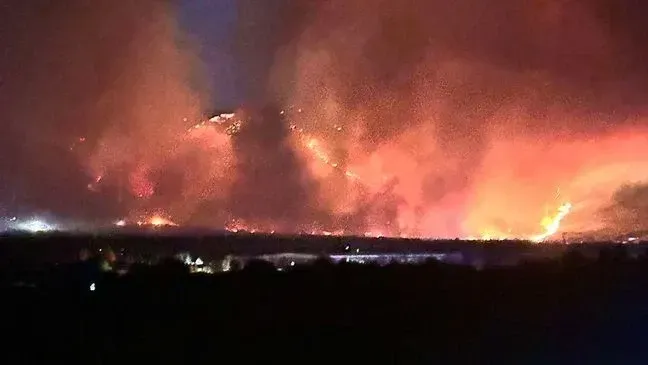
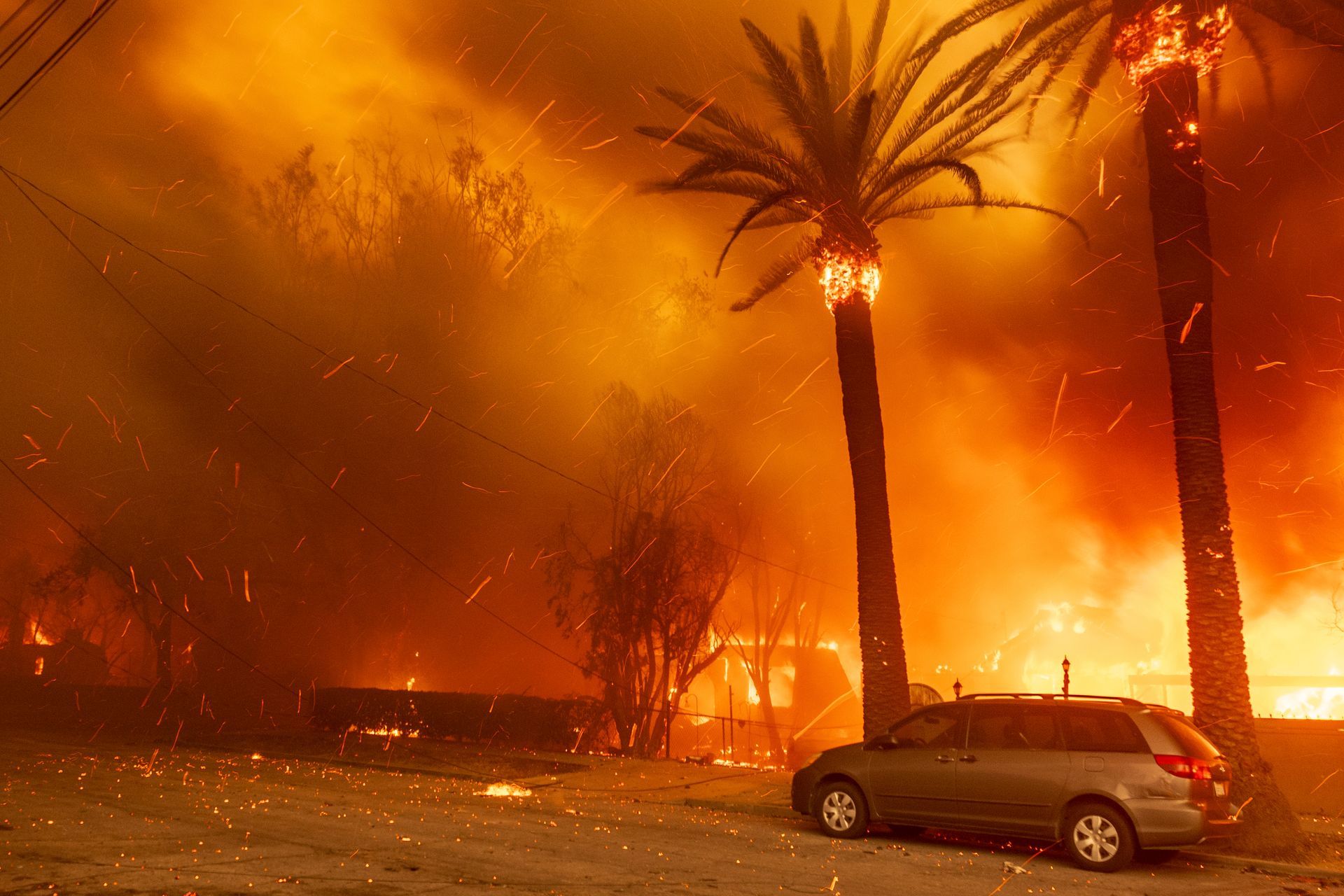
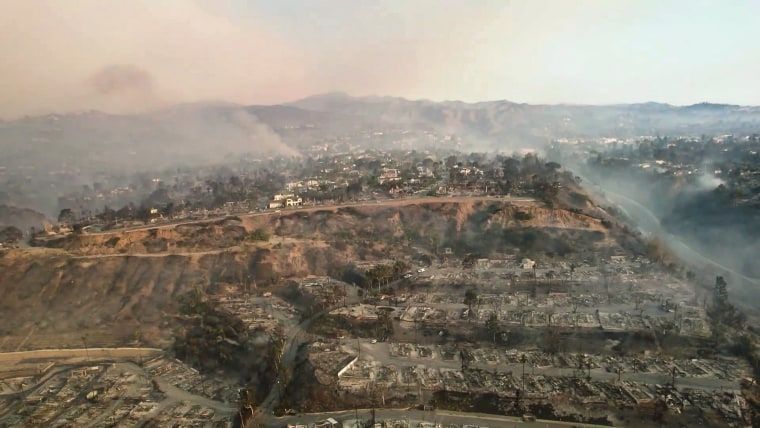
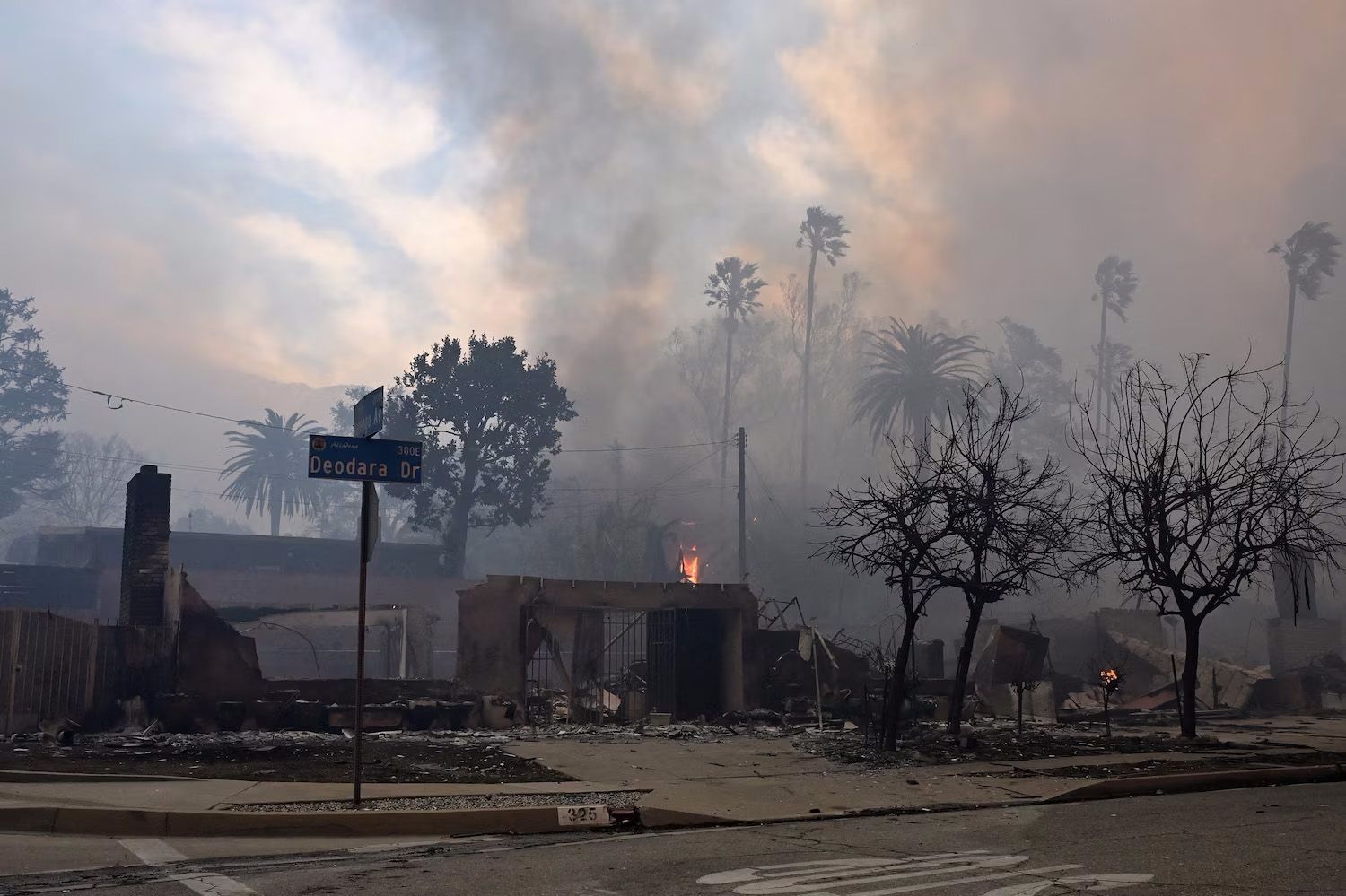
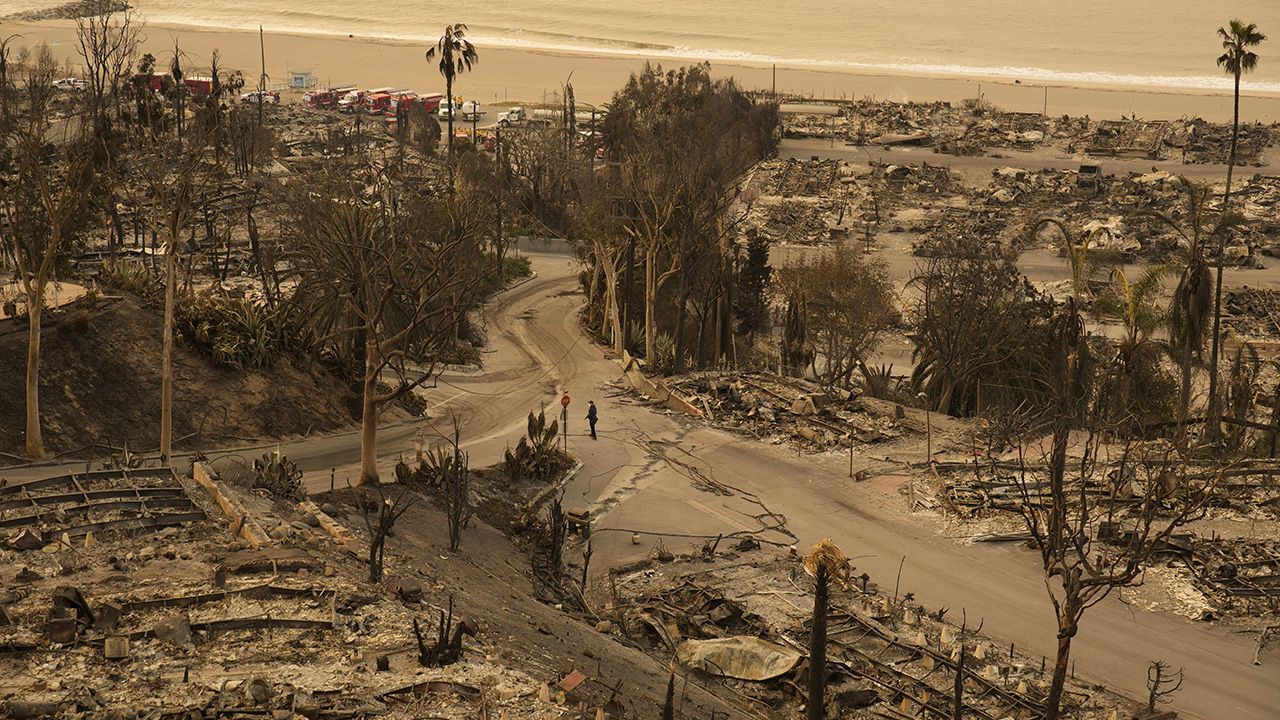
The Palisades and Eaton fires in Southern California were a catastrophe of flames, failures and forgotten lessons. So much failure highlighted by the loss of thousands of homes, billions of dollars in property value, and the unforgivable deaths of dozens, the SoCal flames captured the world's attention in January of 2025.
So, too, did they shine a bright light on political failures at both the local and state level. And yet, in retrospect, it may have also illuminated a complete lack of accountability.
We add this piece to our End of Year 2025 list as one of the most impactful events of the year on so many fronts.
Ashes of the Golden State
- neglect by design
[Instrumental Intro]
[Intro - Acoustic guitar picking, distant wind sounds building, harmonica wail]
Santa Ana winds are howling through the canyons tonight
Dry hills waiting for a spark to ignite
[Verse 1]
January flames in the Palisades, tearing through the night
Malibu mansions burning bright, under winter's cruel light
Eaton Canyon roaring wild, winds whipping eighty miles strong
Drought left the grasses thirsty, overgrown and wrong
[Pre-Chorus]
Firefighters screaming for water, but the tanks are running low
Hydrants spitting air and dust, nowhere left to go
[Chorus]
Ashes of the Golden State, falling like bitter rain
Dozens gone, thousands homeless, in the leaders' shame
Dry hydrants, drier lies, promises blown away
We watched our dreams turn to embers, on that fateful day
[Verse 2]
Governor talking climate, while the fuel loads pile high
Mayor jetting overseas, as the sirens fill the sky
Chief warned them all along, but budgets cut the line
Now the ashes tell the story, of neglect by design
[Pre-Chorus]
Controlled burns forgotten, suppression fed the beast
Overgrown and overloaded, ready for the feast
[Chorus]
Ashes of the Golden State, falling like bitter rain
Dozens gone, thousands homeless, in the leaders' shame
Dry hydrants, drier lies, promises blown away
We watched our dreams turn to embers, on that fateful day
[Bridge (Electric guitar swells, driving drums build intensity) ]
How many warnings ignored? How many lessons lost?
In the name of politics, we all paid the cost
Rebuild on the ruins, but remember the blame
Or the winds will come howling, and burn it all again
[Guitar Solo - Raw, wailing electric guitar solo over building rhythm, evoking wind and fire]
[Chorus - Full band, powerful vocals, harmonies]
Ashes of the Golden State, rising in the smoke
Lives and homes in ruins, futures went up in choke
Dry hydrants, drier hearts, accountability delayed
But the people won't forget, the price that we paid
[Outro - Fading acoustic, wind sounds return, harmonica mournful]
Santa Ana winds keep blowing...
Through the ashes of the Golden State
[Instrumental outro - Fade out]
This is original work is produced by AK Darvinson with a combination of observation, critical thinking, insight, heart, compassion, passion, creativity, and technology. All rights are reserved. Free sharing is encouraged. Commercial use via license only. size, format, and more. To set up site-wide paragraph and title styles, go to Site Theme.
The Devastating January 2025 Wildfires in Los Angeles:
A Catastrophe of Flames, Failures, and Forgotten Lessons
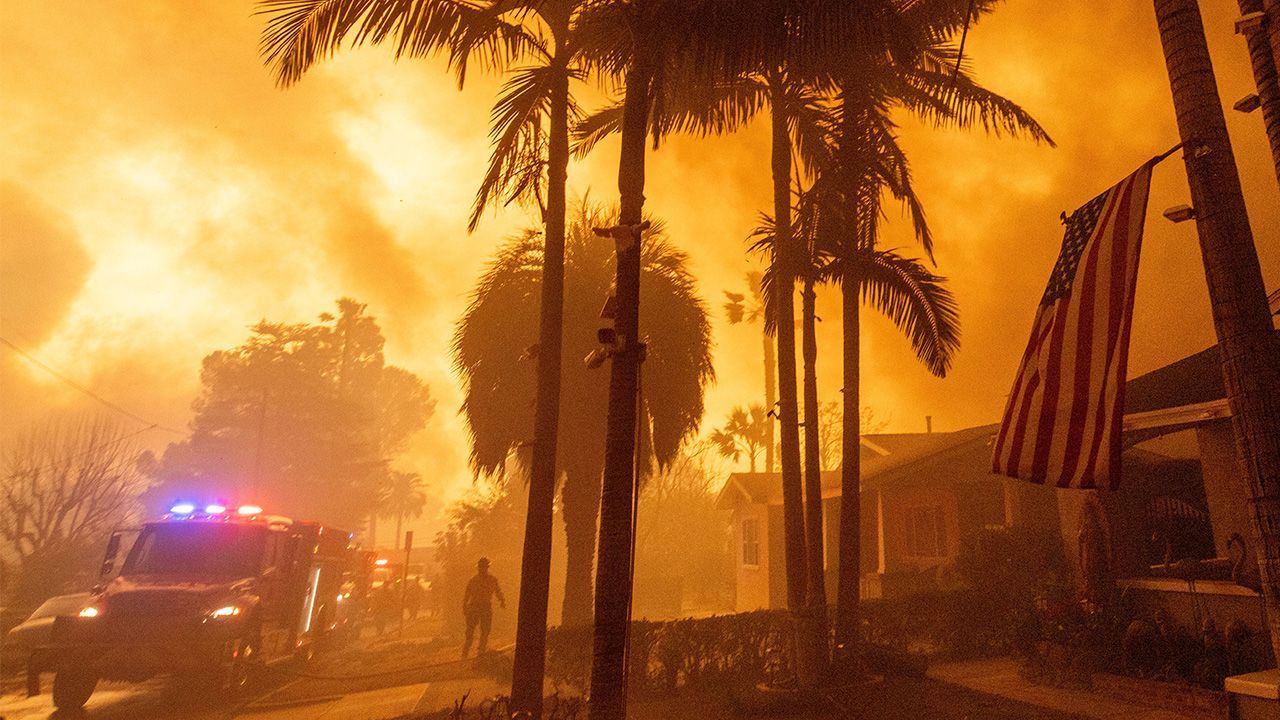
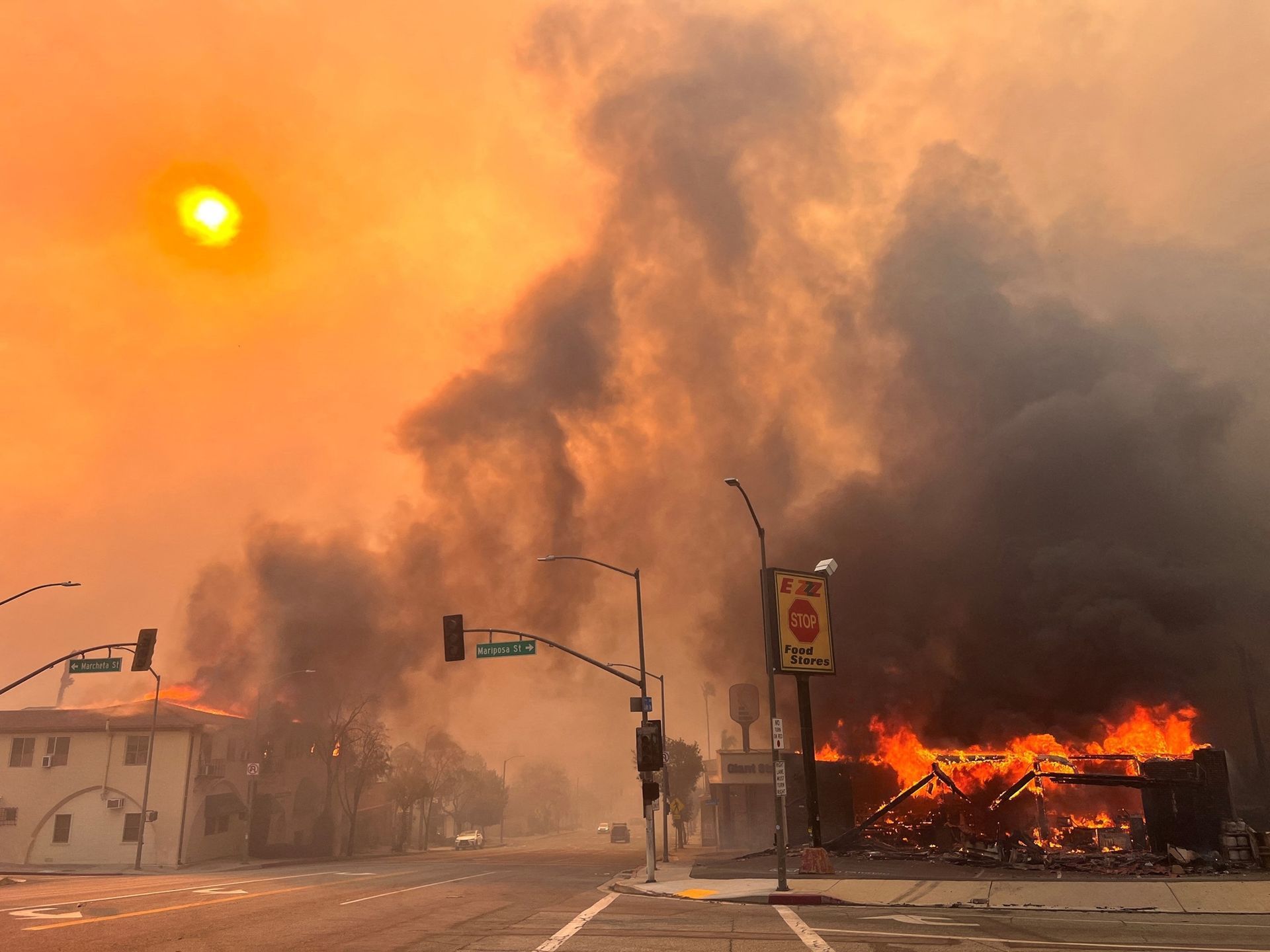
In the heart of winter, when most of the nation was bundled up against the cold, Los Angeles was engulfed in an inferno that defied the season. January 2025 brought not snow or rain, but raging wildfires—the Palisades and Eaton fires—that tore through the city and its surroundings with unprecedented fury. Fueled by a brutal combination of prolonged drought, hurricane-force Santa Ana winds, and bone-dry vegetation, these blazes became the most destructive in Los Angeles' history. They claimed dozens of lives, obliterated thousands of homes, and left a scar on the landscape that will take decades to heal. But beyond the natural forces at play, this disaster was amplified by human error: shortsighted policies that left hydrants dry and grasses even drier, and a bungled response from leaders who should have known better. Governor Gavin Newsom, Mayor Karen Bass, and former LAFD Chief Kristin Crowley bear significant responsibility for turning a bad situation into a historic tragedy.
The Ignition and Inferno: How the Fires Began and Spread
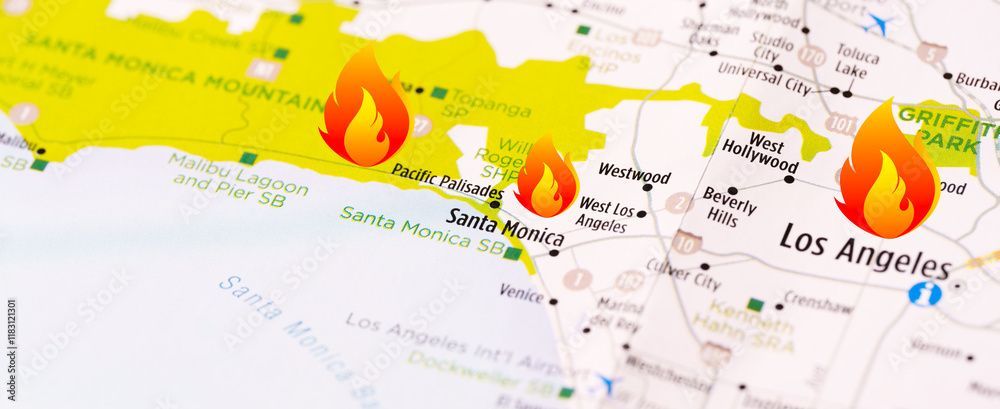
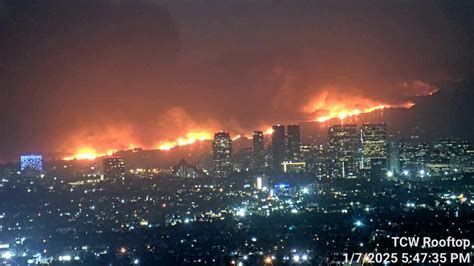
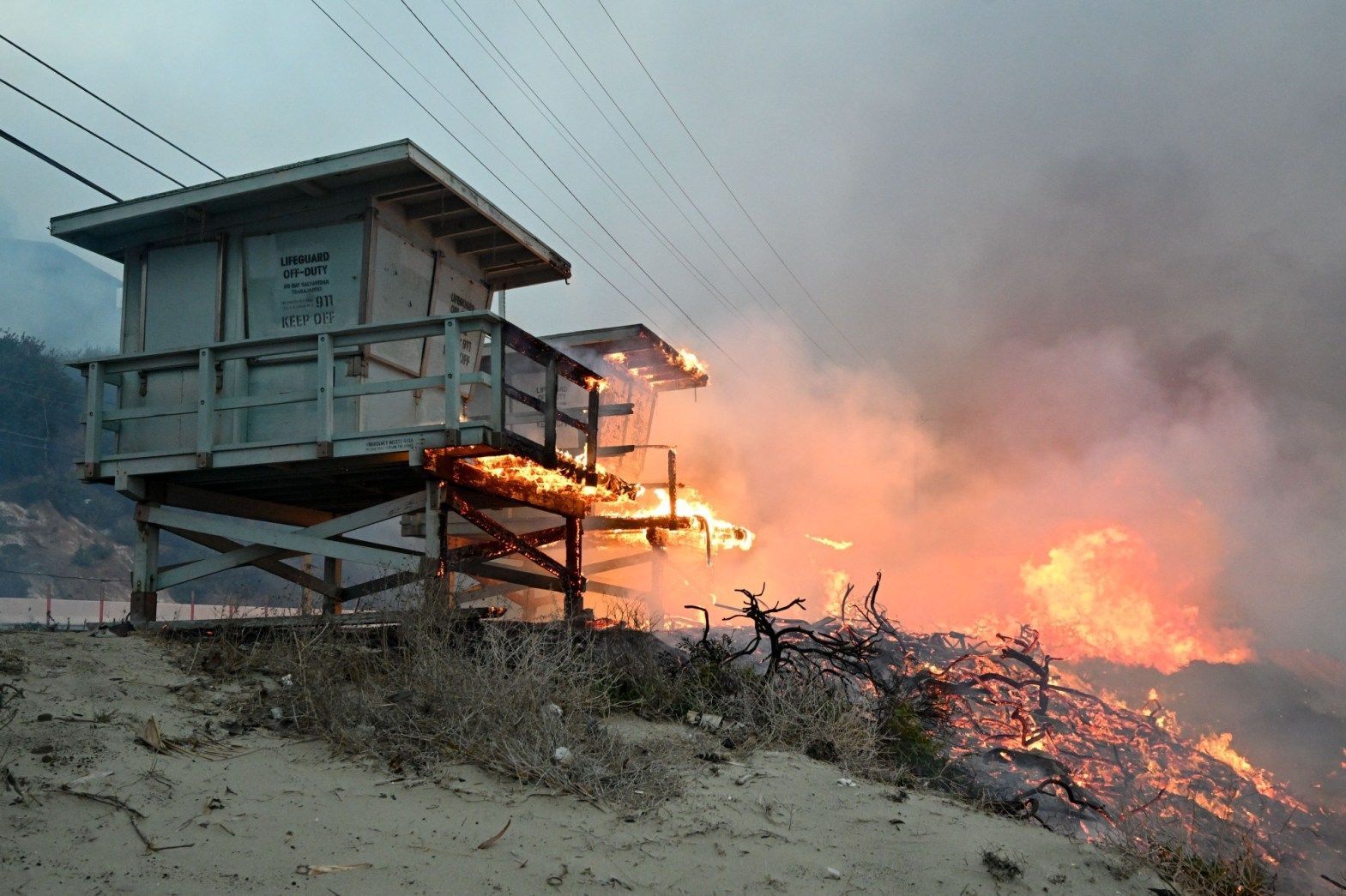
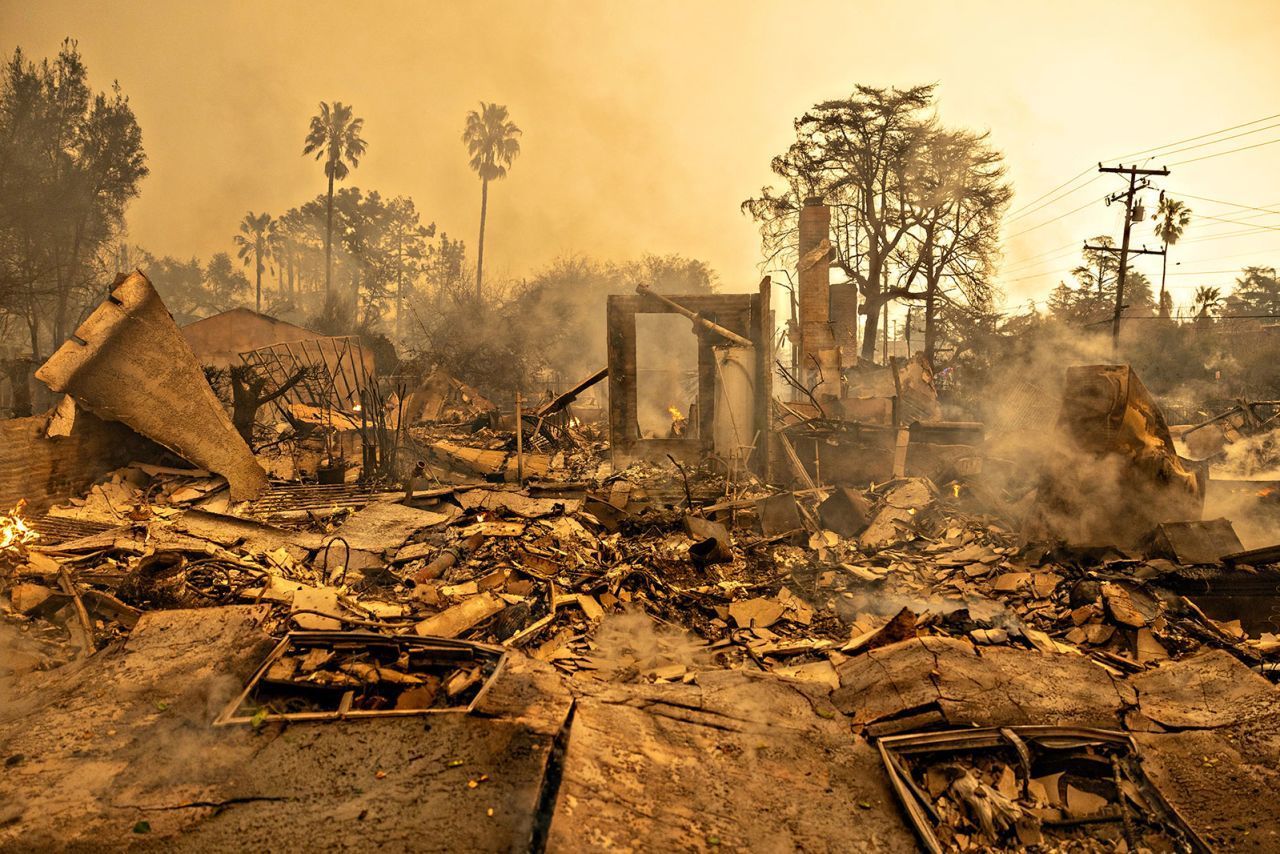
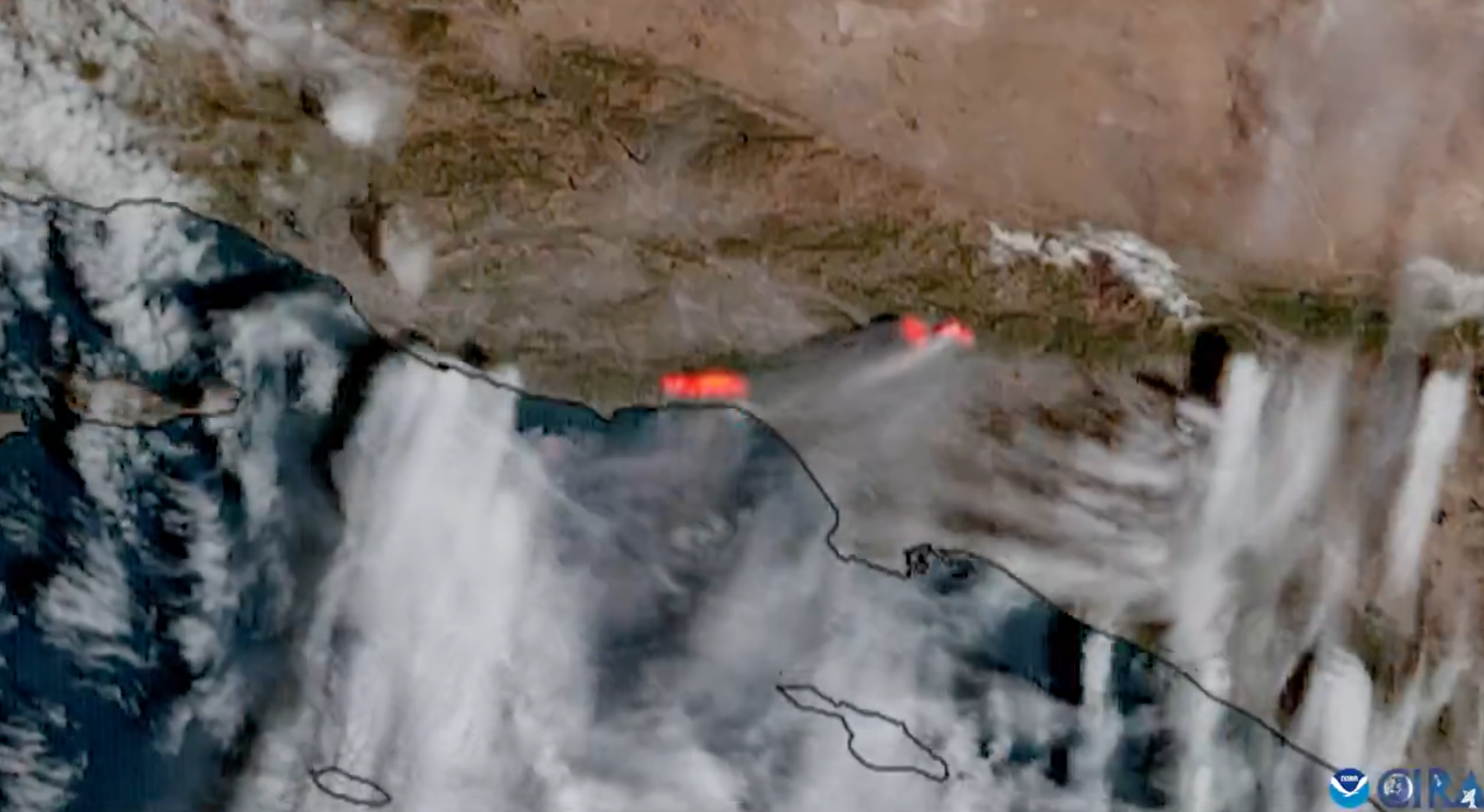
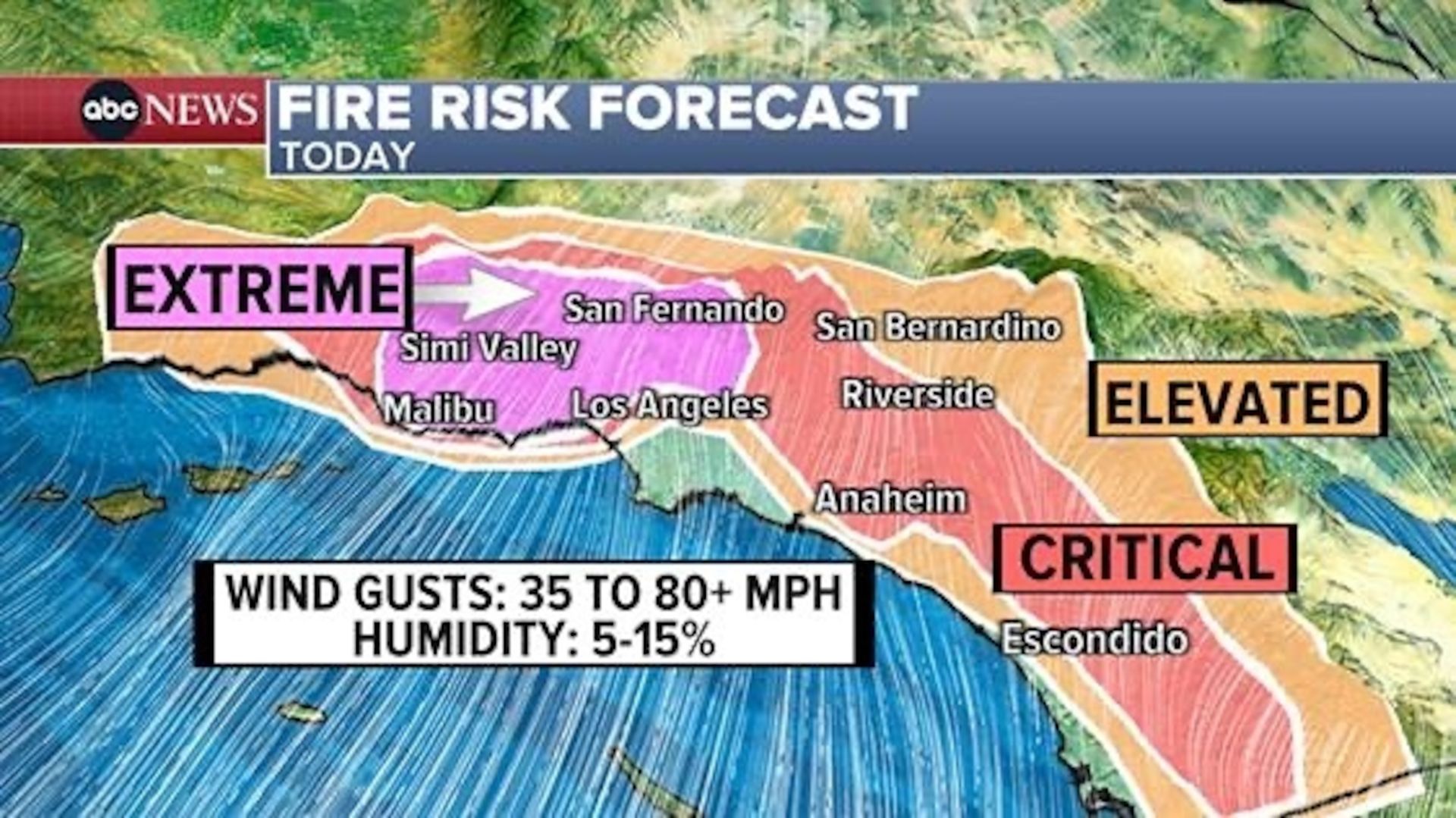
The Palisades Fire ignited on January 7, 2025, in the rugged hills of Pacific Palisades, quickly exploding into a monster blaze driven by winds gusting up to 80 mph. What started as a small brush fire ballooned to consume over 23,000 acres, ravaging upscale neighborhoods in Malibu and Pacific Palisades. Simultaneously, the Eaton Fire erupted nearby in Eaton Canyon, scorching more than 14,000 acres and merging with the chaos to form a deadly duo that overwhelmed firefighting efforts. These were part of a larger outbreak of eight major wildfires across Southern California, but the Palisades and Eaton stood out for their urban proximity and sheer destructiveness.
The conditions were a perfect storm: California had been gripped by a multi-year drought, leaving grasses and shrubs parched and highly flammable. Santa Ana winds, notorious for fanning flames, whipped the fires into frenzies that jumped highways and engulfed entire communities. But this wasn't just nature's wrath; decades of misguided fire suppression policies had allowed vegetation to accumulate unchecked, creating vast fuel loads that burned hotter and faster than ever before. Policies prioritizing total fire prevention over controlled burns left the grasses "even drier" in a metaphorical sense—overgrown, dead, and ready to ignite at the slightest spark.
The Human Toll: Lives Lost Amid the Ashes
The loss of life was heartbreaking and preventable. At least 29 people perished in the two fires—12 in the Palisades and 17 in the Eaton—many trapped in their homes or vehicles as flames overtook evacuation routes. These weren't just statistics; they were families, elderly residents, and first responders caught in the blaze. Hundreds more were injured, suffering from burns, smoke inhalation, and trauma. Evacuations displaced tens of thousands, turning vibrant neighborhoods into ghost towns overnight.
Stories emerged of heroic but futile efforts: firefighters battling without adequate water, residents fleeing with only the clothes on their backs. The psychological impact lingers, with survivors grappling with PTSD and the loss of irreplaceable memories. In a city as densely populated as Los Angeles, the death toll could have been far higher, but that offers little comfort to the grieving families who question why warnings weren't heeded sooner.
Property Devastation: Billions in Ruins
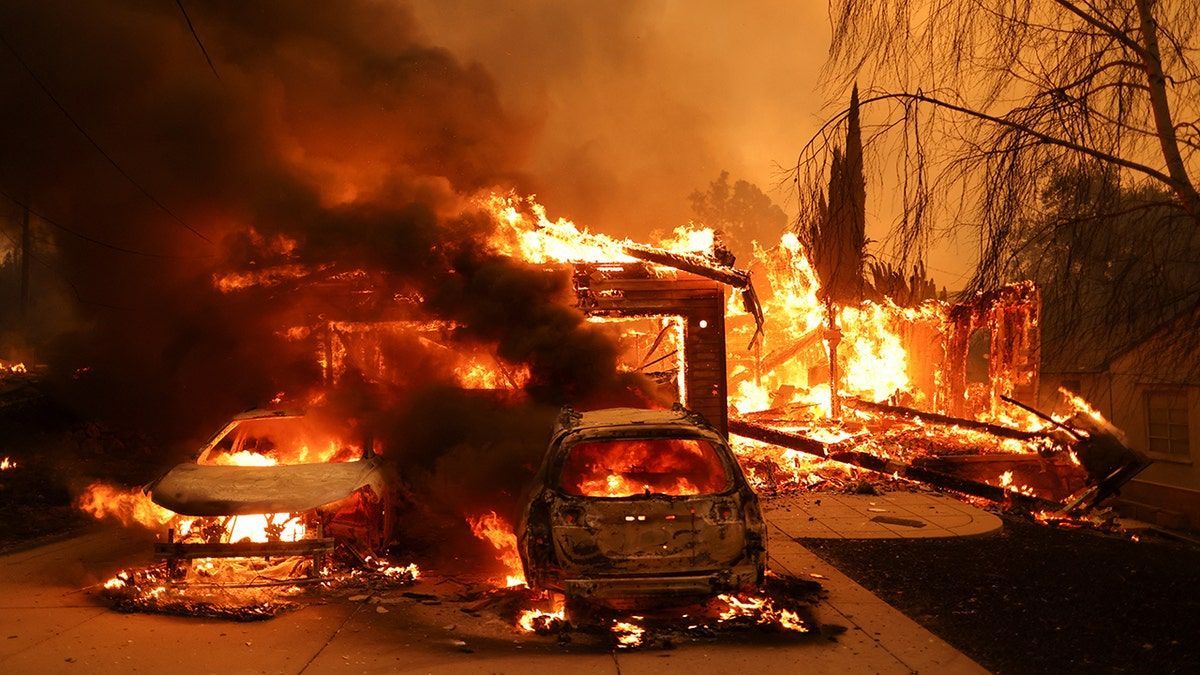
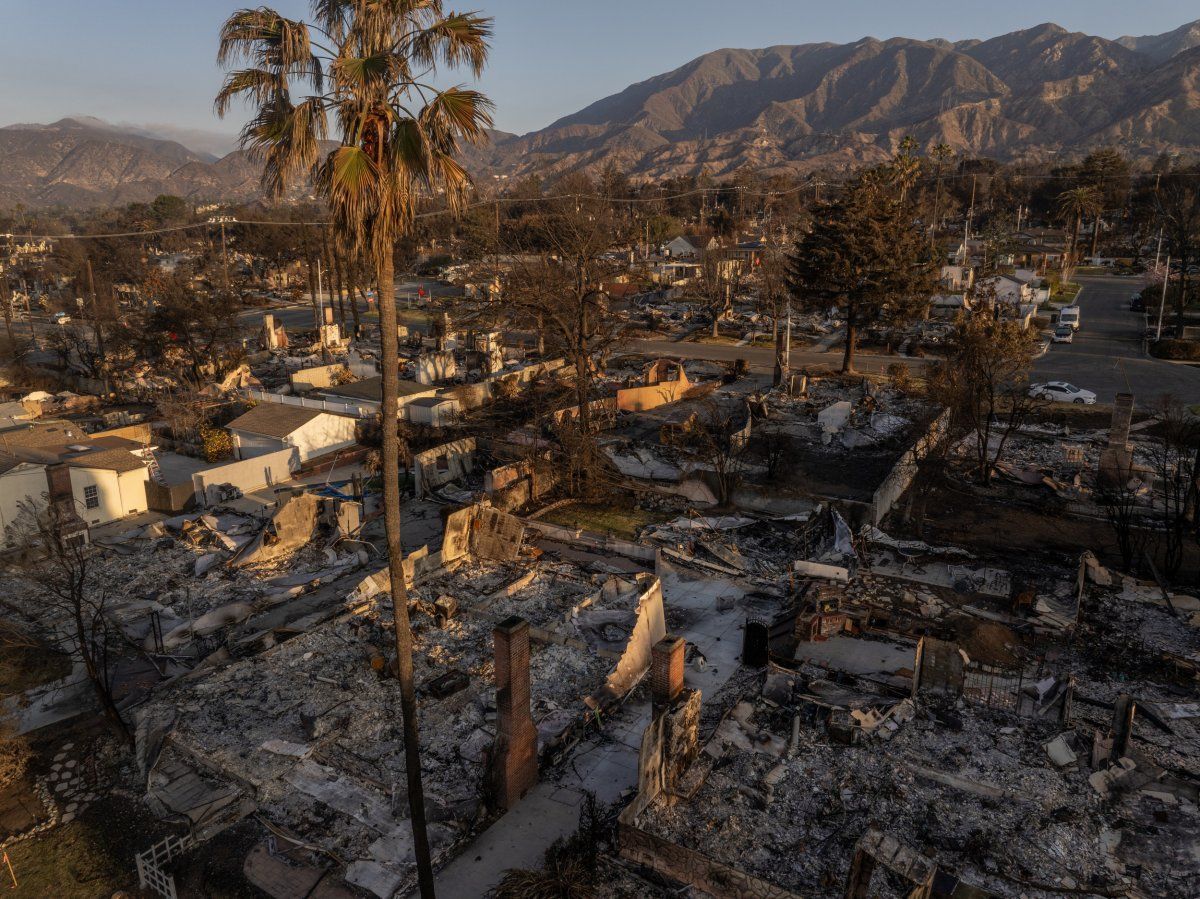
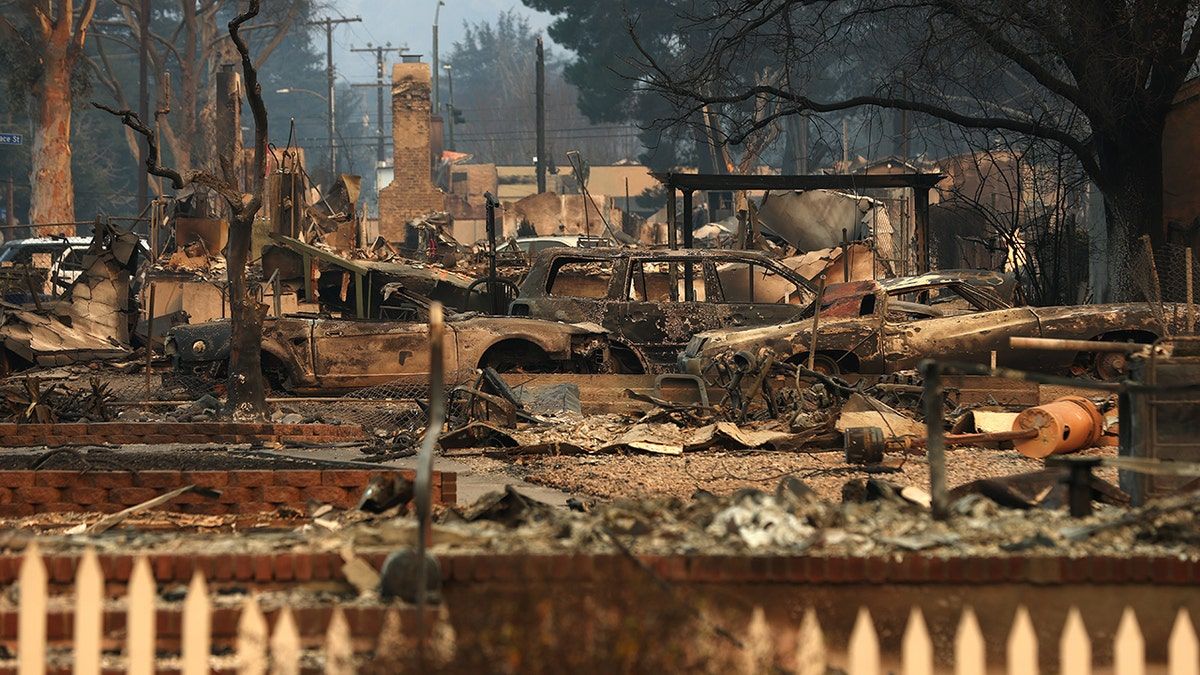
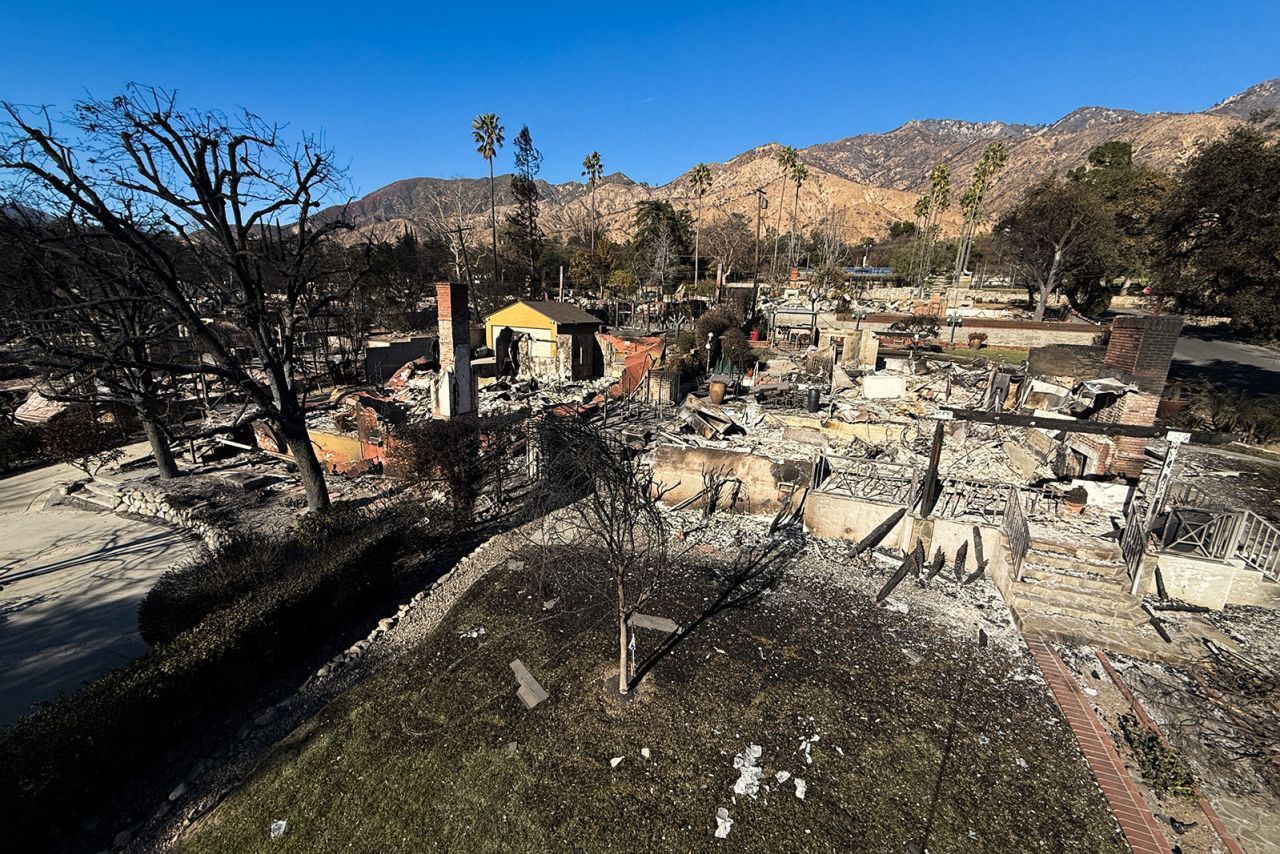
The property damage was staggering, cementing these fires as the most destructive in LA's history. Over 16,000 structures were destroyed across the wildfires, with the Palisades and Eaton accounting for the lion's share—estimates peg the Eaton Fire alone at around 7,000 structures razed. Thousands of homes, from modest apartments to multimillion-dollar mansions, were reduced to ash. Businesses, schools, and infrastructure followed suit, with economic losses soaring into the tens of billions.
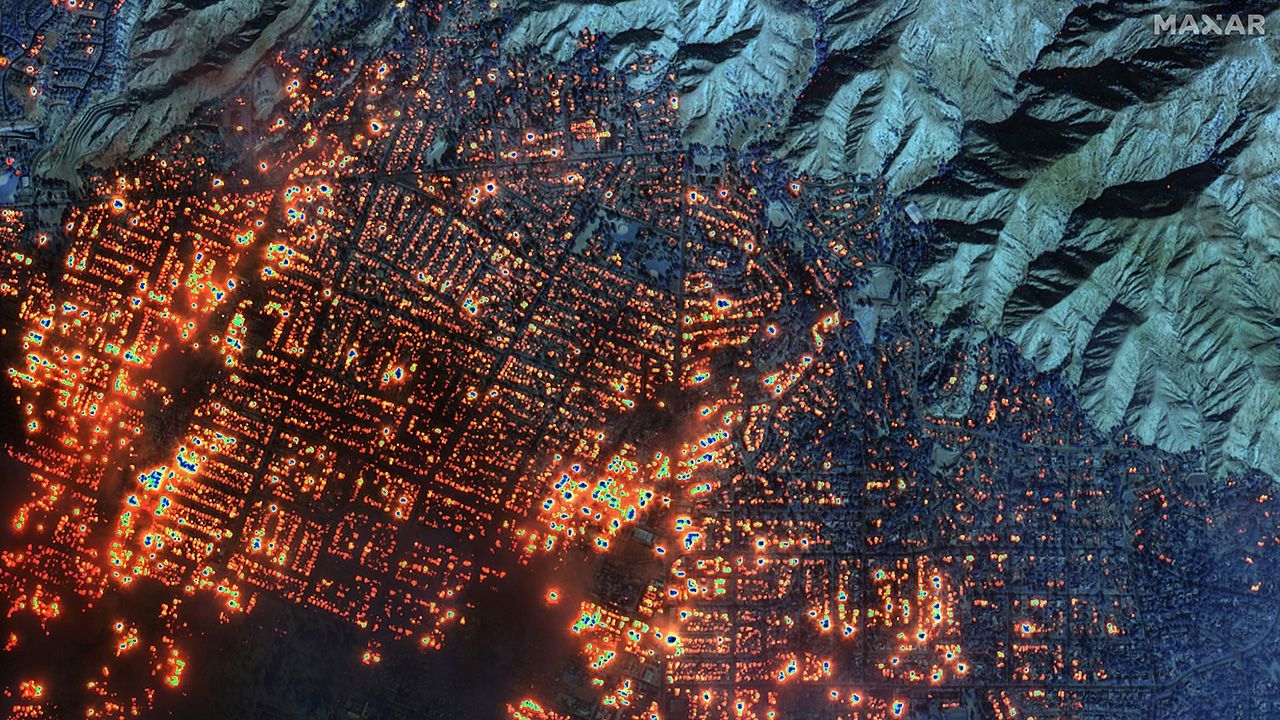
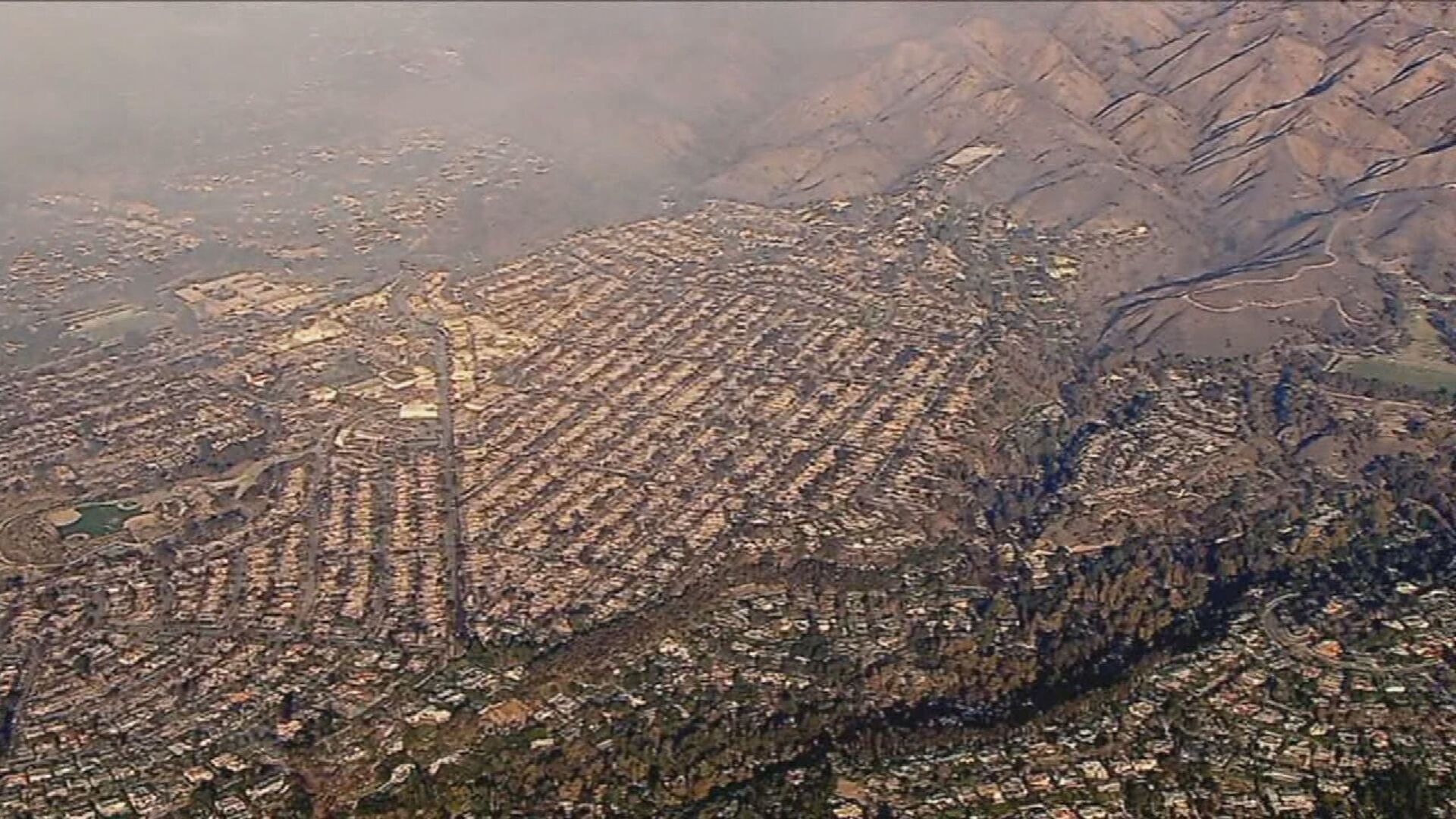
Insured property losses for the Palisades and Eaton fires alone are estimated between $28 billion and $35 billion, with total damages within LA city limits potentially reaching $51.7 billion. Rebuilding efforts are underway, but many residents face battles with insurance companies and skyrocketing premiums, exacerbating the housing crisis in an already unaffordable city. Satellite imagery and lidar scans reveal scorched earth where thriving communities once stood, a visual testament to the fires' wrath.
Policies of Neglect: Dry Hydrants and Parched Landscapes
At the root of this amplified destruction were policies that failed spectacularly. California's long-standing fire suppression strategies—suppressing all fires rather than allowing controlled burns—have led to overgrown, drier-than-ever grasslands and forests, turning them into tinderboxes. Amid ongoing drought, these policies ensured that when sparks flew, the fires burned with apocalyptic intensity.
Worse still, the hydrants ran dry—literally. Firefighters faced unprecedented water demands that overwhelmed municipal systems not designed for such massive blazes. Water storage tanks depleted rapidly, causing pressure drops and leaving up to 20% of hydrants in the Palisades Fire useless. This wasn't a freak occurrence; experts have long warned that urban water infrastructure is inadequate for extreme wildfires, yet state and local policies prioritized other spending over upgrades. Governor Newsom's administration, focused on broader water battles in Northern California, overlooked the specific vulnerabilities in Southern California's systems, contributing to the chaos.
A Botched Response: Leadership Failures from Top to Bottom
The response to these fires was a masterclass in incompetence, drawing sharp criticism from all corners. Governor Gavin Newsom, already under fire for his handling of previous disasters, failed to mobilize state resources swiftly enough. As flames spread, his administration was slow to declare a statewide emergency, delaying federal aid and mutual assistance from other regions. Newsom became a target in the blame game, with critics arguing his focus on climate rhetoric overshadowed practical preparedness.
Mayor Karen Bass fared even worse. Amid the crisis, she was on an overseas trip, a decision that sparked outrage for its poor timing. Upon return, she faced scrutiny over budget cuts to the Los Angeles Fire Department (LAFD) that slashed staffing and resources—cuts she insisted didn't impact the response, but which firefighters vehemently disputed. In a candid moment, Bass admitted "both sides botched it," but her leadership was seen as reactive rather than proactive, allowing communication breakdowns and evacuation delays to compound the disaster.
Then there's former LAFD Chief Kristin Crowley, whom Bass fired in February 2025 amid a public feud. Crowley was blamed for improper staffing during the fires, with resources stretched thin due to those controversial budget cuts she publicly decried. Her warnings about wildfire risks went unheeded, and the department's after-action review highlighted communication network failures that hampered coordination. This finger-pointing between Bass and Crowley exemplified a fractured command structure that left firefighters ill-equipped and residents in peril.
Lessons Unlearned: A Call for Accountability and Change
The January 2025 wildfires weren't just a natural disaster; they were a policy failure writ large. As Los Angeles rebuilds, we must demand accountability from Newsom, Bass, and the systems that failed us. Invest in resilient water infrastructure, reform vegetation management to include proactive burns, and prioritize emergency funding over political posturing. Until then, the ashes of Palisades and Eaton serve as a grim reminder: in the face of climate change, complacency kills.
Share: