Tractors In The Streets
Block the roads, dump the hay, make 'em feel the heat!
Posts on this site may contain copyrighted material, including but not limited to music clips, song lyrics, and images, the use of which has not always been specifically authorized by the copyright owner. Such material is made available for purposes such as criticism, commentary, news reporting, teaching, scholarship, education, or research, in accordance with the principles of fair use under Section 107 of the U.S. Copyright Act.
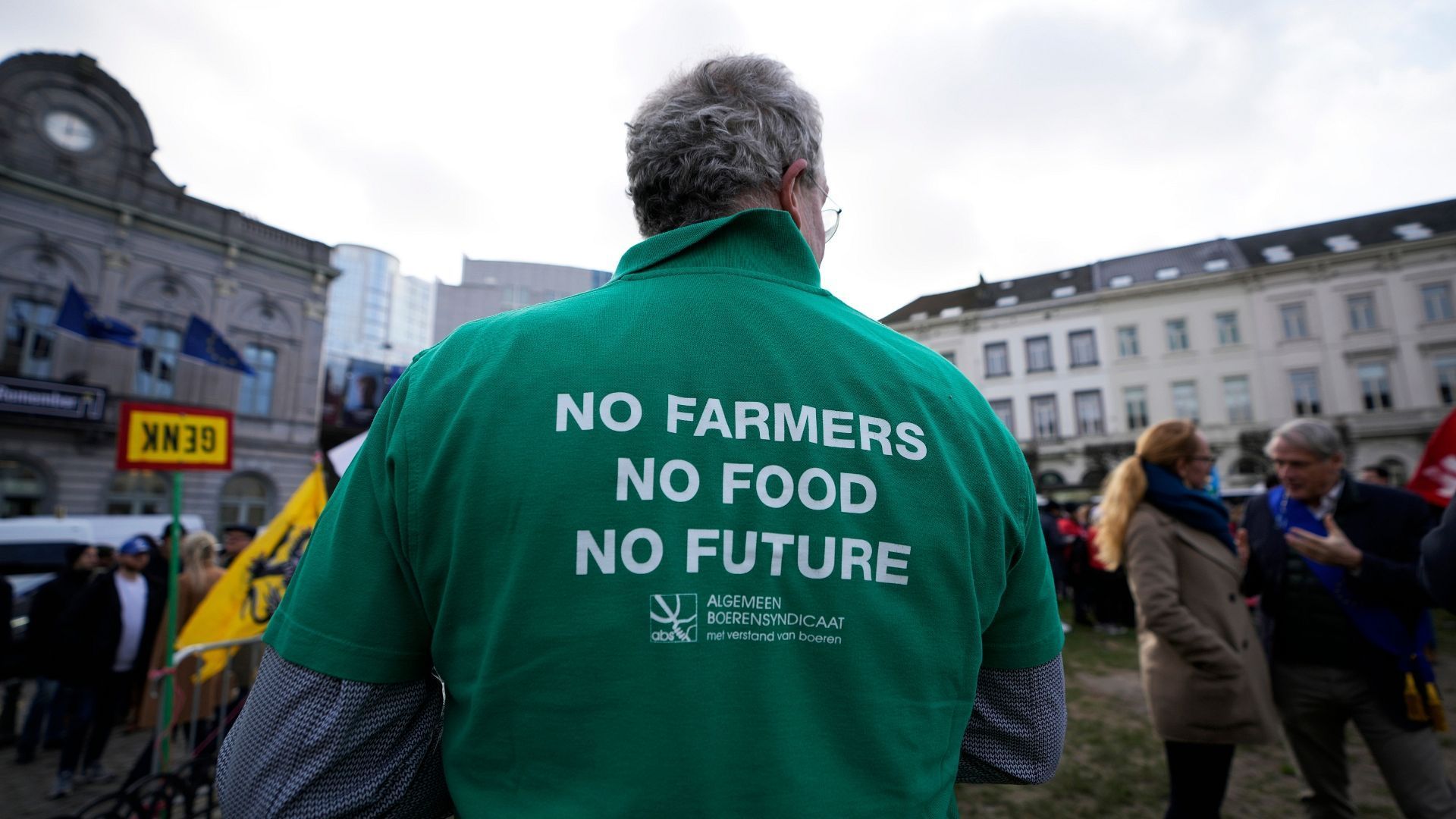
One very important story that has received virtually no notice here in the U.S. is the plight of the European Farmer under leftist, authoritarian E.U. rules. The policies out of Brussels have decimated the farmer's ability to work, earn a living, and most of all provide food for Europeans.
As a result, the farmers have waged a multi-year peaceful protest against idiotic policies. Americans had better pay attention to this because you know the leftists want to do the same here. Look no further than Canada and Australia to see the expansion of some of the dumbest policies in generations.
This piece is meant only to draw attention to the plight of farmers in the once-free West. And to serve as a wake up call for those who don't know it's happening and, even if they do, don't think it can happen here.
Tractors in the Streets
[instrumental Intro]
[Verse 1]
Woke up at dawn, fields frozen tight,
E.U.'s green dream's my endless fight.
Pesticides banned, but imports flood in,
Cheap foreign grain, where do I begin?
[Pre-Chorus - Mixed male and female, building tension]
Bureaucrats in suits, sipping fancy wine,
While we scrape by on subsidies so fine.
Oh, the irony, it's rich as our soil,
Telling us to green up while we toil.
[Chorus - Rich multi-part harmony, anthemic swell with layered voices]
We're the farmers rising, tractors in the street!
Defiant and sarcastic, we won't take defeat!
Block the roads, dump the hay, make 'em feel the heat!
Europe's backbone breaking, but we'll never retreat!
Hey Brussels, hear our roar—your deals are a joke!
We'll farm our way, or watch it all go broke!
[Verse 2 - Female vocal, defiant edge]
Nitrogen caps, herd cuts by half,
Thanks for the plan, now watch us laugh.
Energy bills sky-high from your wars,
Fertilizer gold, but prices on the floors.
[Pre-Chorus - Mixed male and female, intensifying]
Trade deals with Mercosur, unfair as can be,
South American beef, but no rules for me.
Paperwork mountains, audits every day,
We're drowning in red tape, hip-hip-hooray!
[Chorus - Rich multi-part harmony, even bigger build with echoes]
We're the farmers rising, tractors in the street!
Defiant and sarcastic, we won't take defeat!
Block the roads, dump the hay, make 'em feel the heat!
Europe's backbone breaking, but we'll never retreat!
Hey Brussels, hear our roar—your deals are a joke!
We'll farm our way, or watch it all go broke!
[Bridge - Male and female alternating lines, spoken-sung with rising defiance]
From France to Germany, Poland to Spain,
We're united in anger, breaking the chain.
No more concessions, no more empty talk,
We'll spray the slurry, make the cities gawk.
This ain't just protest, it's a farmer's war cry—
Sarcasm our weapon, defiance our sky!
[Chorus- Rich multi-part harmony, full crescendo with vocal layers and echoes]
We're the farmers rising, tractors in the street!
Defiant and sarcastic, we won't take defeat!
Block the roads, dump the hay, make 'em feel the heat!
Europe's backbone breaking, but we'll never retreat!
Hey Brussels, hear our roar—your deals are a joke!
We'll farm our way, or watch it all go broke!
[Outro - Mixed fading harmonies]
Farmers forever... won't back down...
Tractors rolling... hear the sound...
[instrumental Outro]
This is original work is produced by AK Darvinson with a combination of observation, critical thinking, insight, heart, compassion, passion, creativity, and technology. All rights are reserved. Free sharing is encouraged. Commercial use via license only.
European Farmers' Protests:
Causes and Effective Tactics
Executive Summary
European farmers have been protesting intermittently for several years, with significant waves intensifying since 2019 and peaking in 2023-2024, extending into 2025. These actions span multiple countries, including France, Germany, Belgium, the Netherlands, Poland, Spain, and others, often converging on Brussels as the seat of EU institutions. The protests stem from a confluence of economic pressures, stringent environmental regulations, unfair trade competition, and bureaucratic hurdles imposed by EU policies. Farmers have employed disruptive tactics such as tractor blockades, road occupations, and symbolic demonstrations, which have proven effective in extracting policy concessions from national governments and the EU Commission. This report draws on recent analyses and real-time accounts to detail the underlying reasons and the strategies that have amplified farmers' voices.
Historical Context
Farmers' discontent in Europe has roots in long-standing issues, but protests have escalated in recent years due to compounding crises. The Dutch nitrogen crisis in 2019-2020 marked an early flashpoint, where farmers opposed government plans to halve livestock numbers to reduce emissions. This evolved into broader EU-wide unrest by 2023, fueled by the aftermath of the COVID-19 pandemic, the Russia-Ukraine war's impact on energy and fertilizer prices, and the EU's ambitious Green Deal agenda. By 2024, protests had spread across the continent, with farmers converging on capitals and EU headquarters. As of December 2025, demonstrations continue, notably against trade deals like Mercosur, which farmers fear will inundate markets with cheaper South American imports. The ongoing nature of these protests—described as "now for years"—reflects unresolved structural problems in European agriculture, where small and medium-sized farms struggle against industrial-scale operations and global market forces.
Key Reasons for the Protests
The motivations behind the protests are multifaceted and vary by country, but common themes emerge across Europe. Farmers argue that EU policies prioritize environmental goals and free trade over their livelihoods, leading to financial strain and operational challenges. Below is a breakdown of the primary causes, substantiated by recent reports and farmer testimonies.
1. Economic Pressures and Rising Costs
Farmers face skyrocketing input costs for energy, fertilizers, seeds, and machinery, exacerbated by global events like the Ukraine war, which disrupted supply chains and inflated prices. In many cases, the prices farmers receive for their produce have not kept pace, squeezing profit margins. For instance, German farmers protested cuts to diesel subsidies, which increased operational expenses without compensatory measures. Similarly, across the EU, the Common Agricultural Policy (CAP) is criticized for disproportionately benefiting large agribusinesses, leaving smaller farms underserved. Demands include higher subsidies, debt relief, and guaranteed minimum prices for crops to ensure viability.
2. Environmental and Regulatory Burdens
The EU's Green Deal and Farm to Fork strategy impose strict rules on pesticide use, nitrogen emissions, land set-asides for biodiversity, and carbon reduction targets. Farmers view these as overly prescriptive, increasing costs without sufficient transition support or compensation. In the Netherlands, protests erupted over nitrate regulations mandating herd reductions, which farmers claimed would bankrupt operations. Broader complaints include the requirement to dedicate portions of farmland to non-productive uses, seen as a threat to food security amid climate change. These policies are often framed as a "rebellion against green regulations," with farmers arguing they undermine competitiveness while imports face no such constraints.
3. Unfair Trade Competition and Imports
A major grievance is the influx of cheaper agricultural imports that do not adhere to EU standards, undercutting local prices. The EU's waiver of tariffs on Ukrainian grain and poultry to support Kyiv has been blamed for market saturation, particularly in Eastern Europe. Ongoing negotiations for the Mercosur trade deal with South American countries have sparked fresh outrage, as farmers fear floods of beef and sugar produced under laxer environmental and labor rules. Polish and French farmers have highlighted this "unfair competition," demanding import limits and higher tariffs to protect domestic markets.
4. Bureaucracy and Administrative Overload
Excessive paperwork and compliance requirements divert time from farming, adding to frustration. Farmers report spending hours on subsidy applications and audits, with CAP rules seen as convoluted and punitive. This red tape is compounded by national variations in implementation, leading to inconsistent enforcement across the EU.
These issues are interconnected: environmental regs raise costs, imports depress prices, and bureaucracy amplifies inefficiencies. Farmer surveys from Germany, France, Belgium, and the Netherlands reveal diverse but overlapping complaints, with many feeling ignored by policymakers.
Effective Protest Methods and Outcomes
European farmers have honed disruptive, high-visibility tactics that leverage their machinery and rural networks to pressure authorities. These methods have proven effective, prompting policy rollbacks and increased dialogue. Key strategies include:
1. Tractor Convoys and Road Blockades
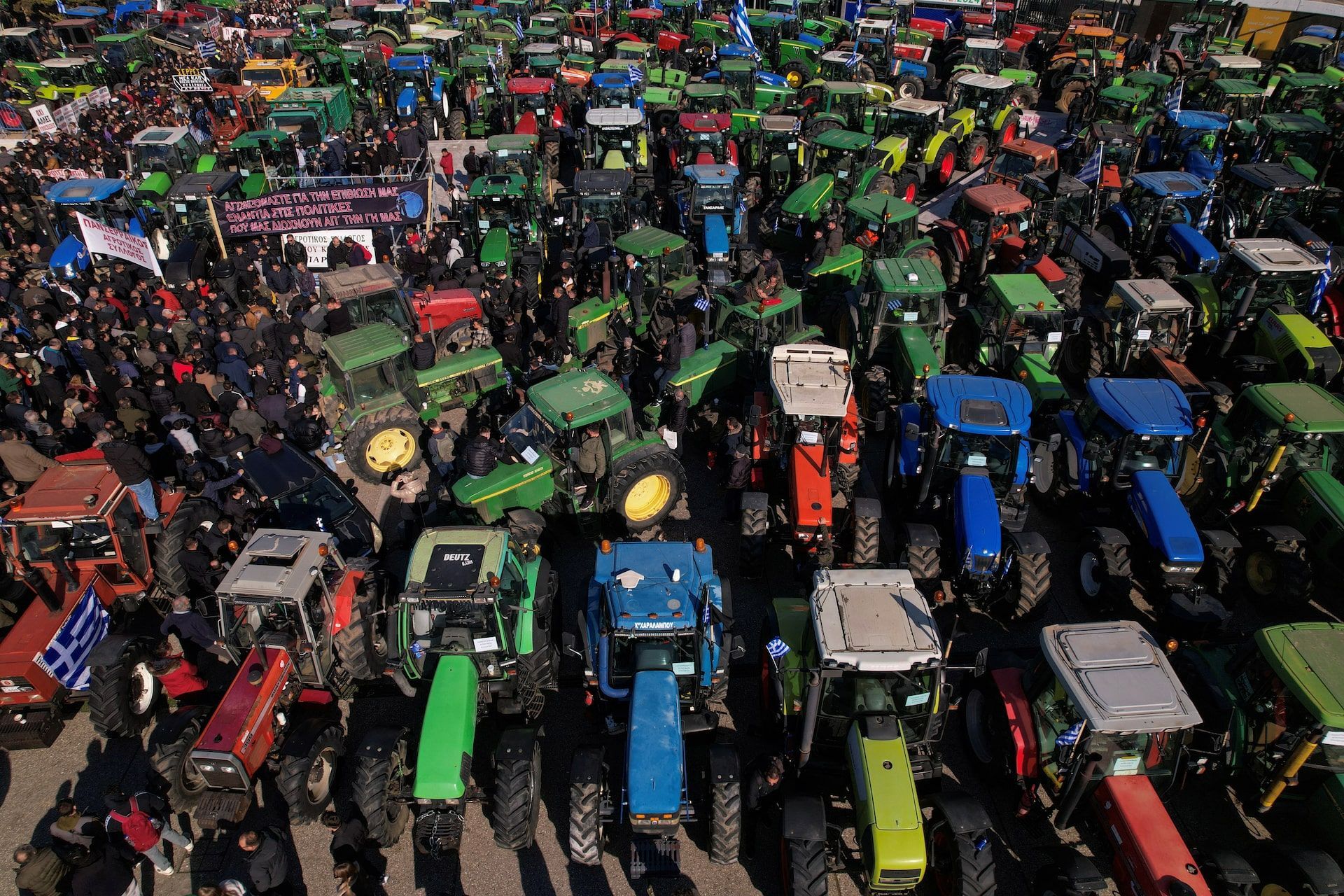
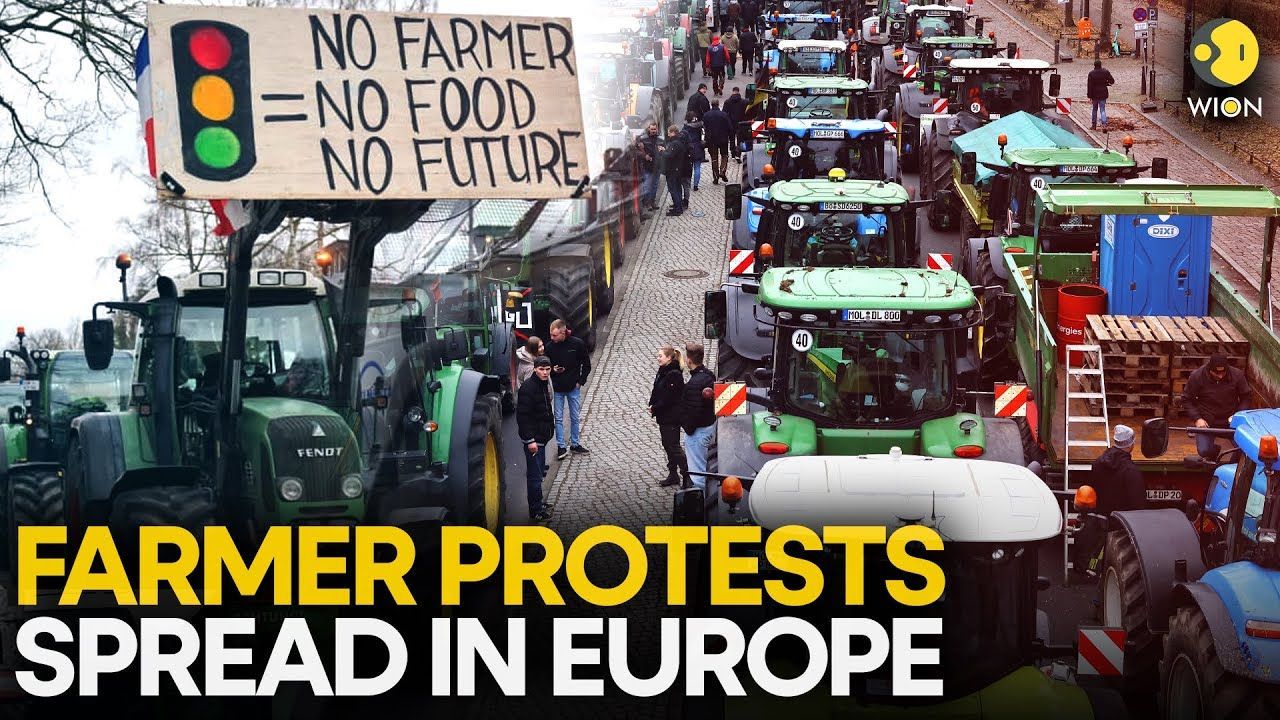
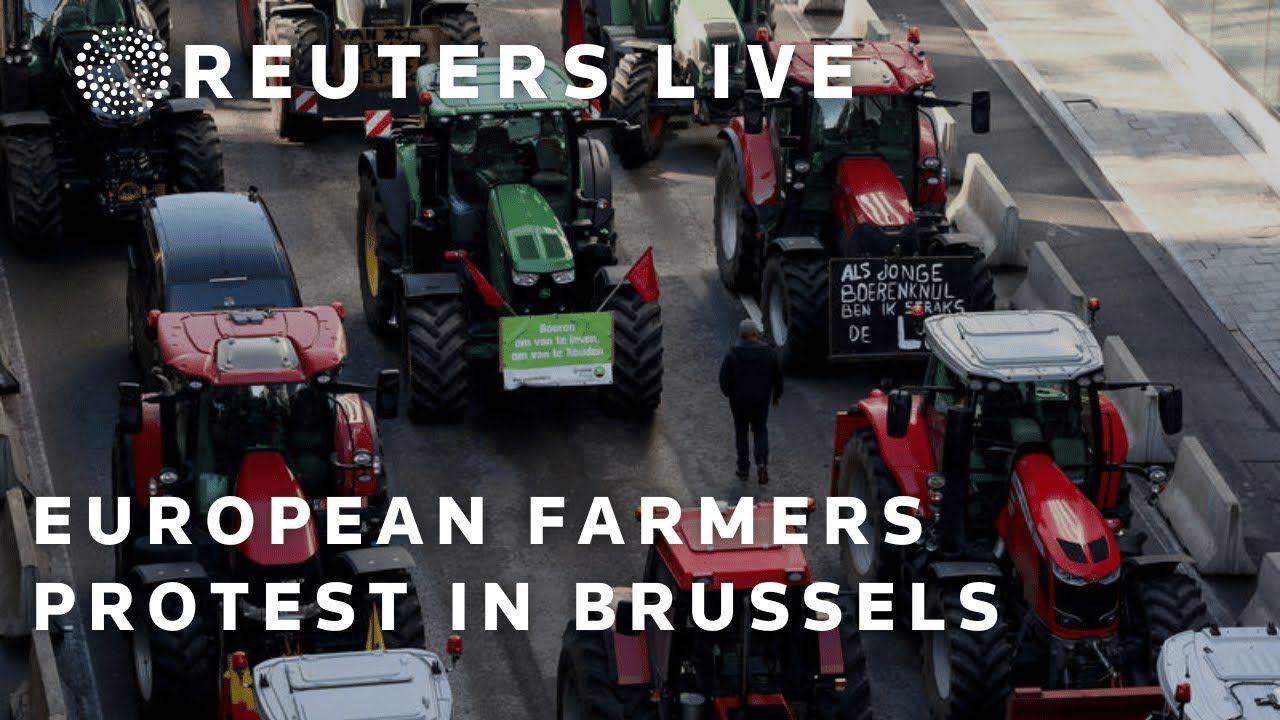
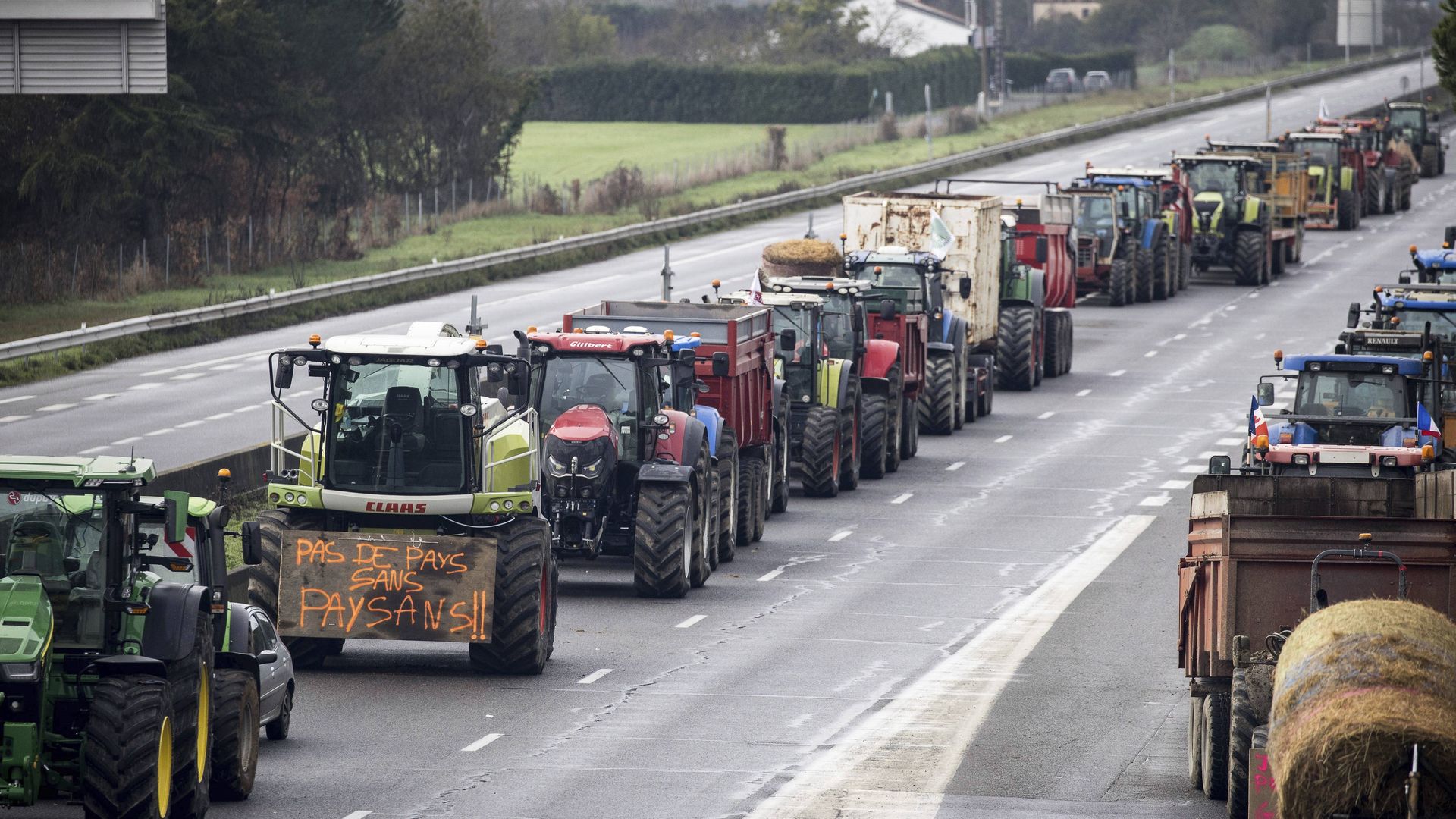
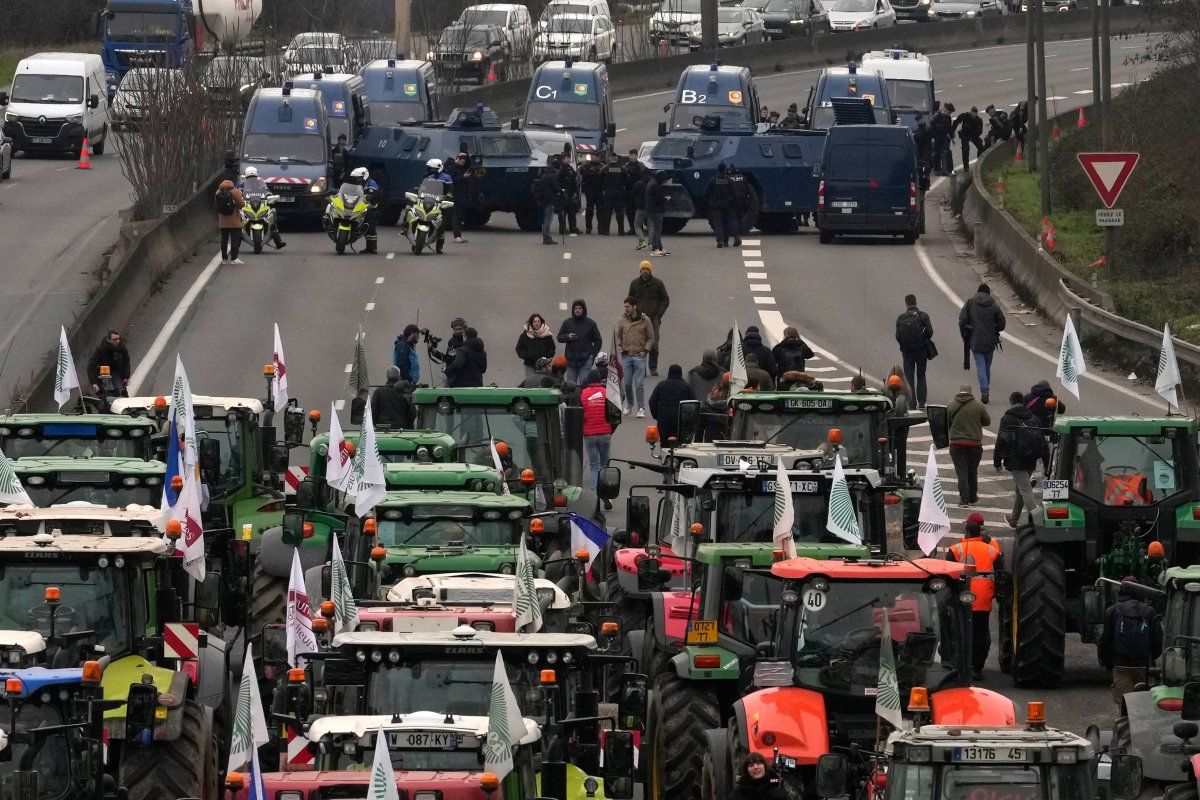
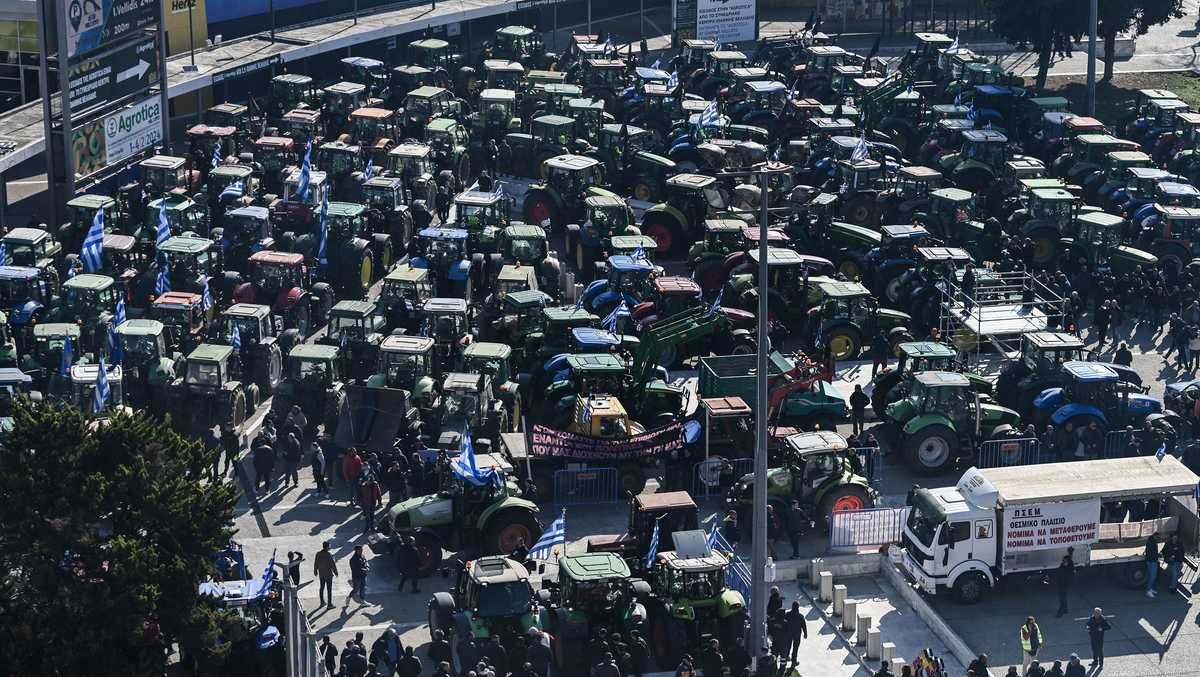
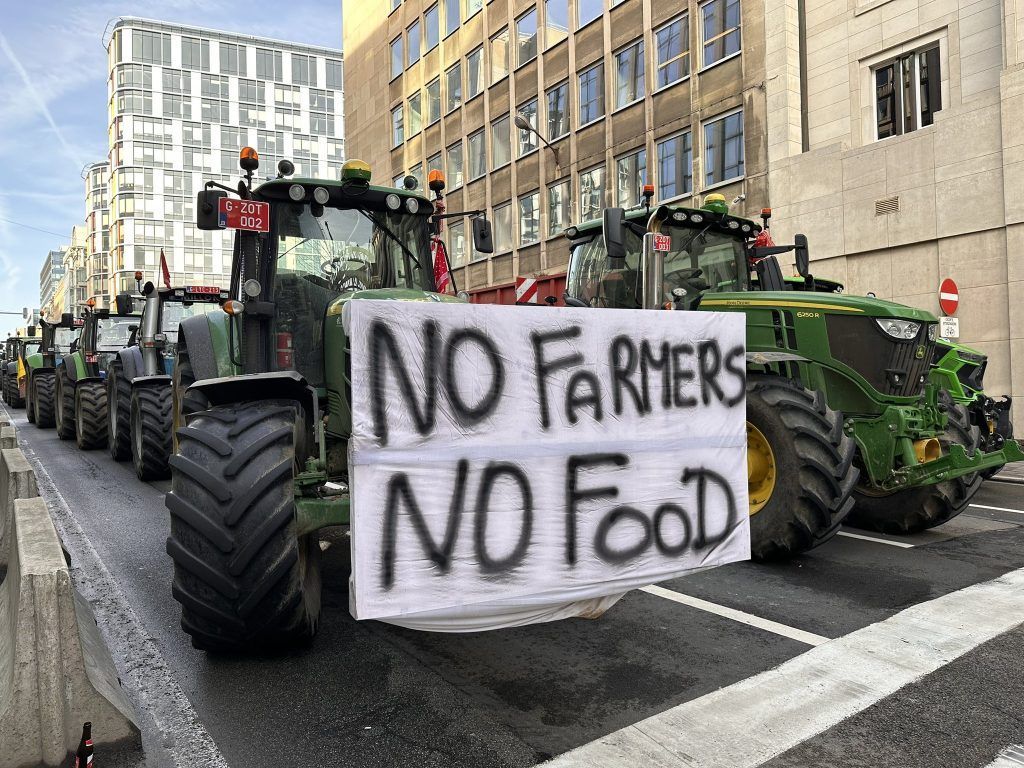
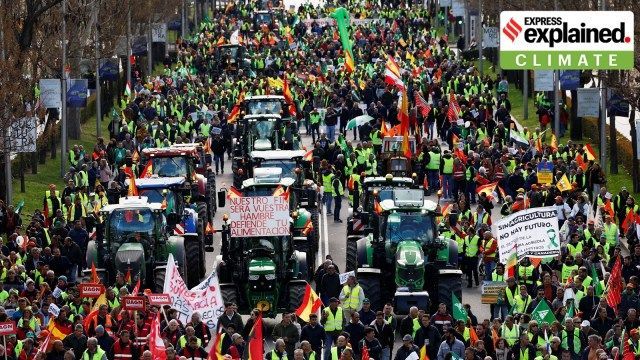
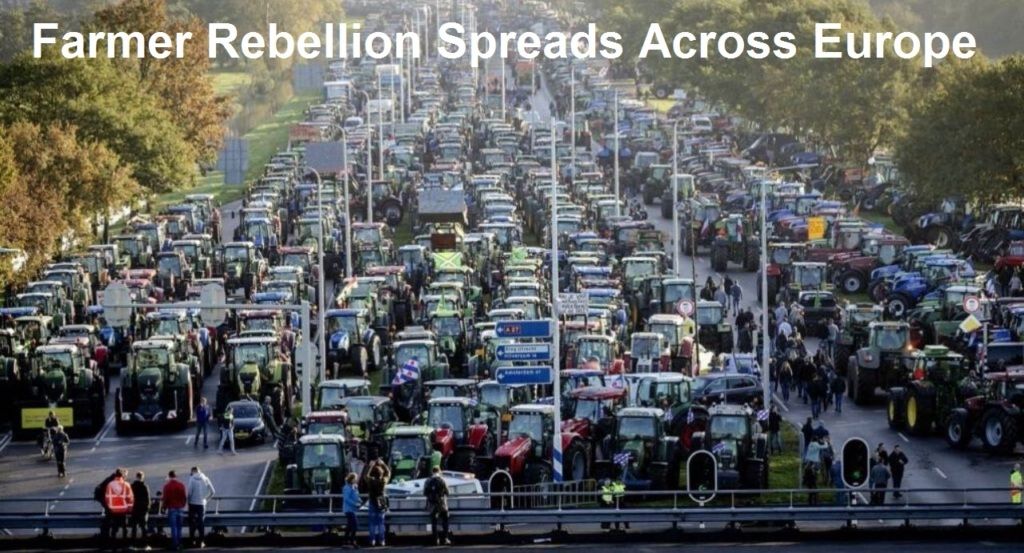
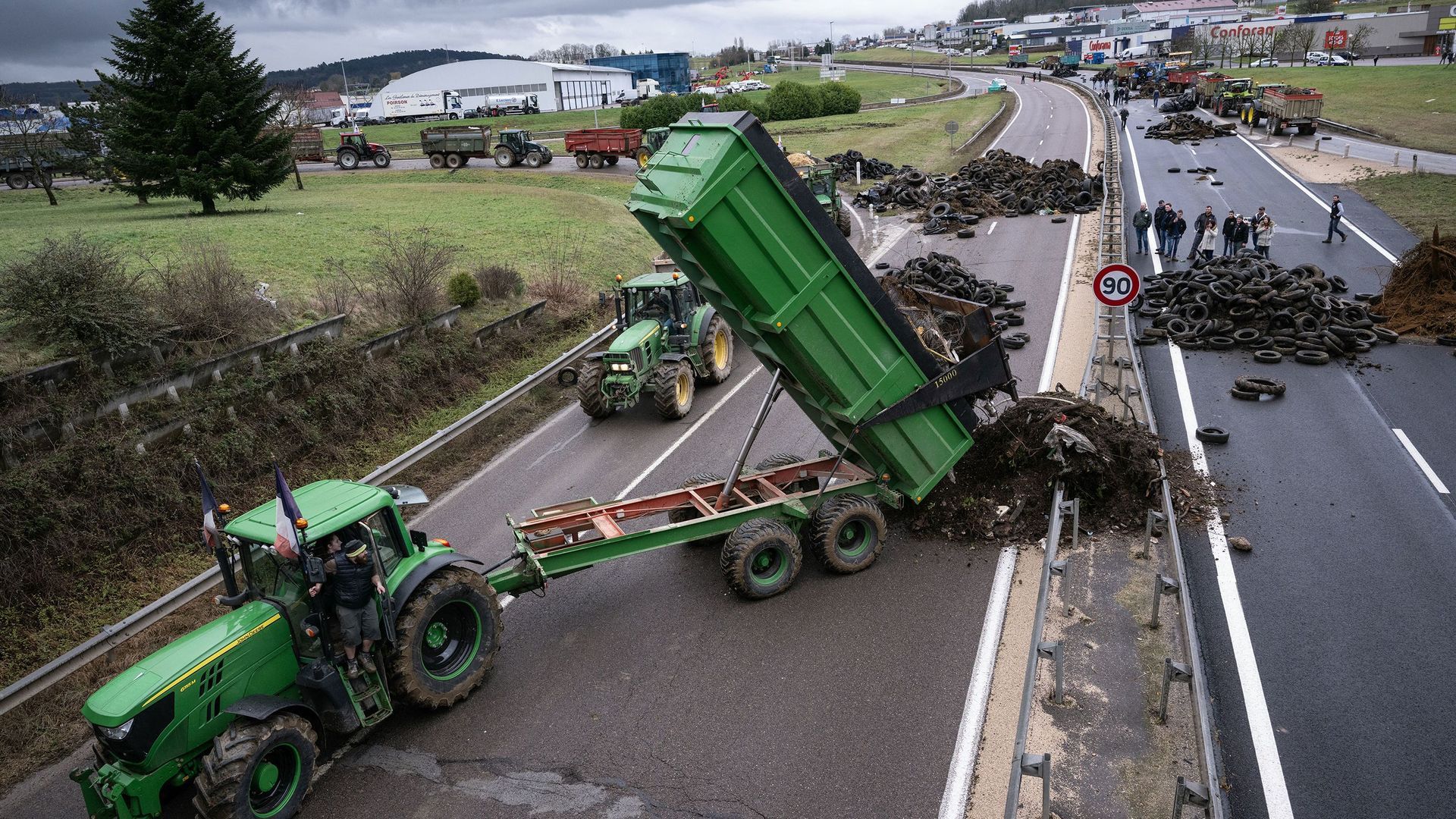
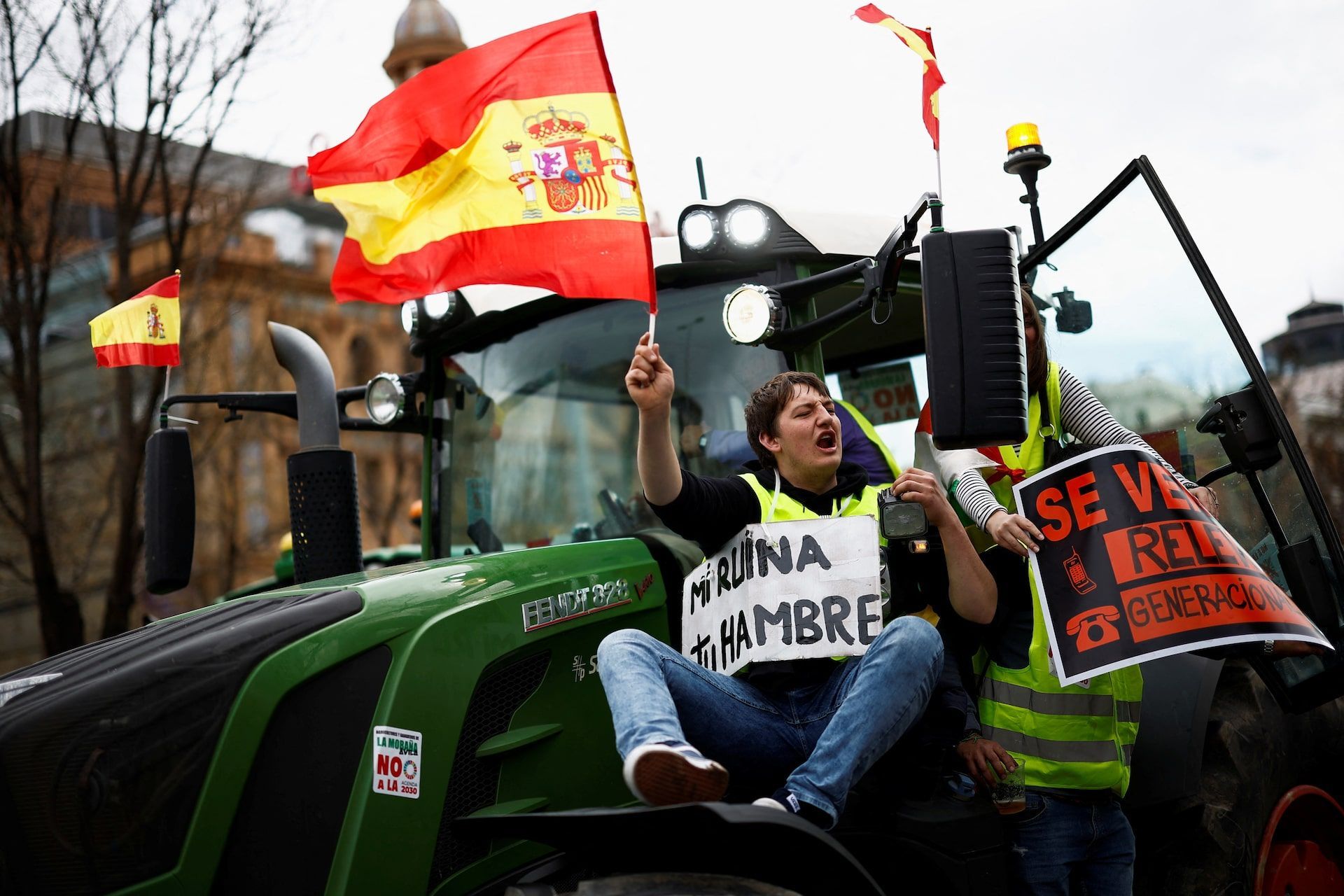
The most iconic tactic involves mobilizing hundreds or thousands of tractors to block highways, city centers, and ports. In Brussels, nearly 1,000 tractors converged in 2024 and again in 2025, causing widespread disruption and drawing media attention. Similar blockades in France and Germany halted traffic for days, forcing governments to negotiate. This method's effectiveness lies in its economic impact—disrupting supply chains and urban life—while symbolizing farmers' essential role in society.
2. Symbolic Actions and Direct Confrontations
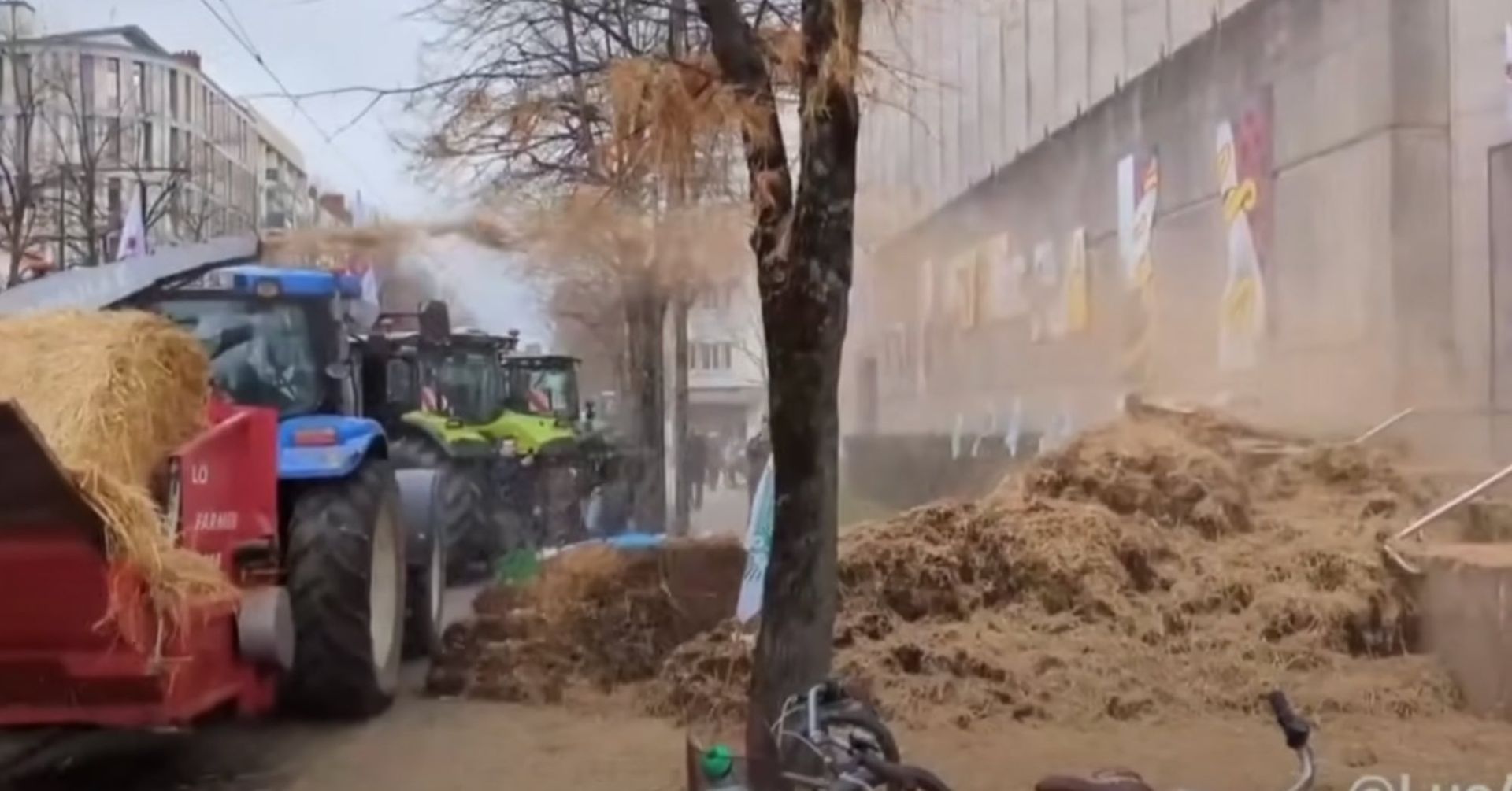
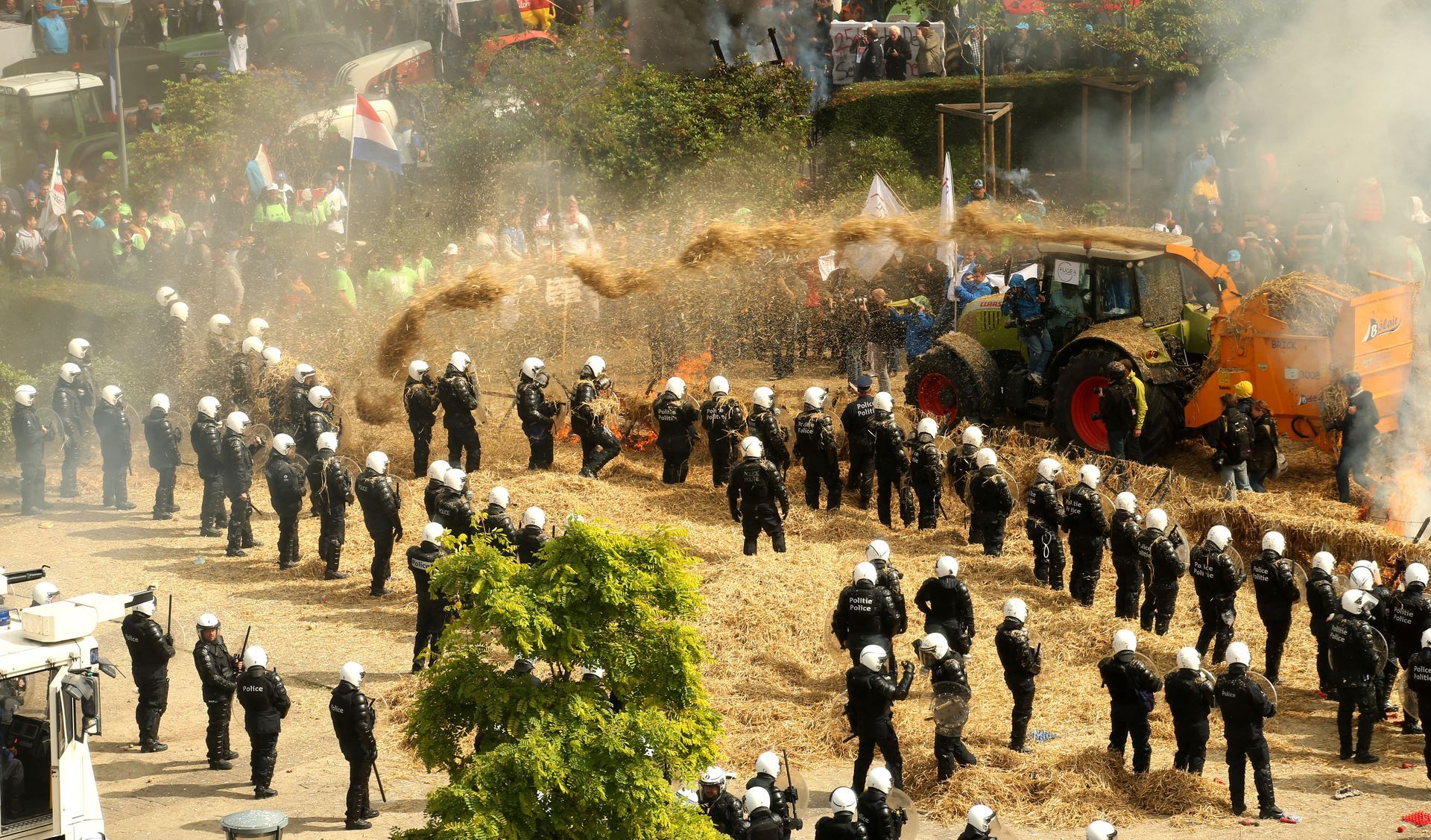
Farmers have dumped manure, hay, or produce outside government buildings, sprayed slurry at police, and occupied public spaces. In Belgium, protesters sprayed manure on law enforcement during rallies. These acts, while controversial, amplify visibility and convey raw anger. Barricades, illegal dumping, and demonstrations at EU summits have also been common, often escalating to clashes but maintaining public sympathy in rural areas.
3. Coordinated Cross-Border Mobilization
Protests often synchronize across countries, using social media and unions like COPA-COGECA to amplify demands. This pan-European approach pressures the EU Commission directly, as seen in Brussels occupations.
Outcomes and Effectiveness
These tactics have yielded tangible results. In 2024, the EU weakened Green Deal provisions, including pesticide reduction targets and land set-asides, in response to protests. National concessions include France's increased diesel subsidies and Germany's partial reversal of tax cuts. The EU also reviewed CAP for more flexibility, addressing bureaucracy. While not all demands are met—e.g., Mercosur remains contentious—the protests have eroded parts of the climate agenda and elevated farmers' issues in EU elections. Their success stems from disrupting daily life, garnering media coverage, and exploiting political divisions, though critics note co-optation by far-right groups.
Conclusion and Recommendations
European farmers' protests highlight systemic flaws in EU agricultural policy, balancing sustainability with economic viability. While tactics like blockades have forced concessions, long-term solutions require reformed subsidies, fair trade safeguards, and streamlined regulations. Policymakers should engage directly with farmers to prevent escalation, potentially through a revised CAP that supports smallholders and transitions. Without addressing root causes, protests are likely to persist, risking further polarization in rural Europe.
Share: