The Blood on Burbon
Religion of Peace in the French Quarter
Posts on this site may contain copyrighted material, including but not limited to music clips, song lyrics, and images, the use of which has not always been specifically authorized by the copyright owner. Such material is made available for purposes such as criticism, commentary, news reporting, teaching, scholarship, education, or research, in accordance with the principles of fair use under Section 107 of the U.S. Copyright Act.
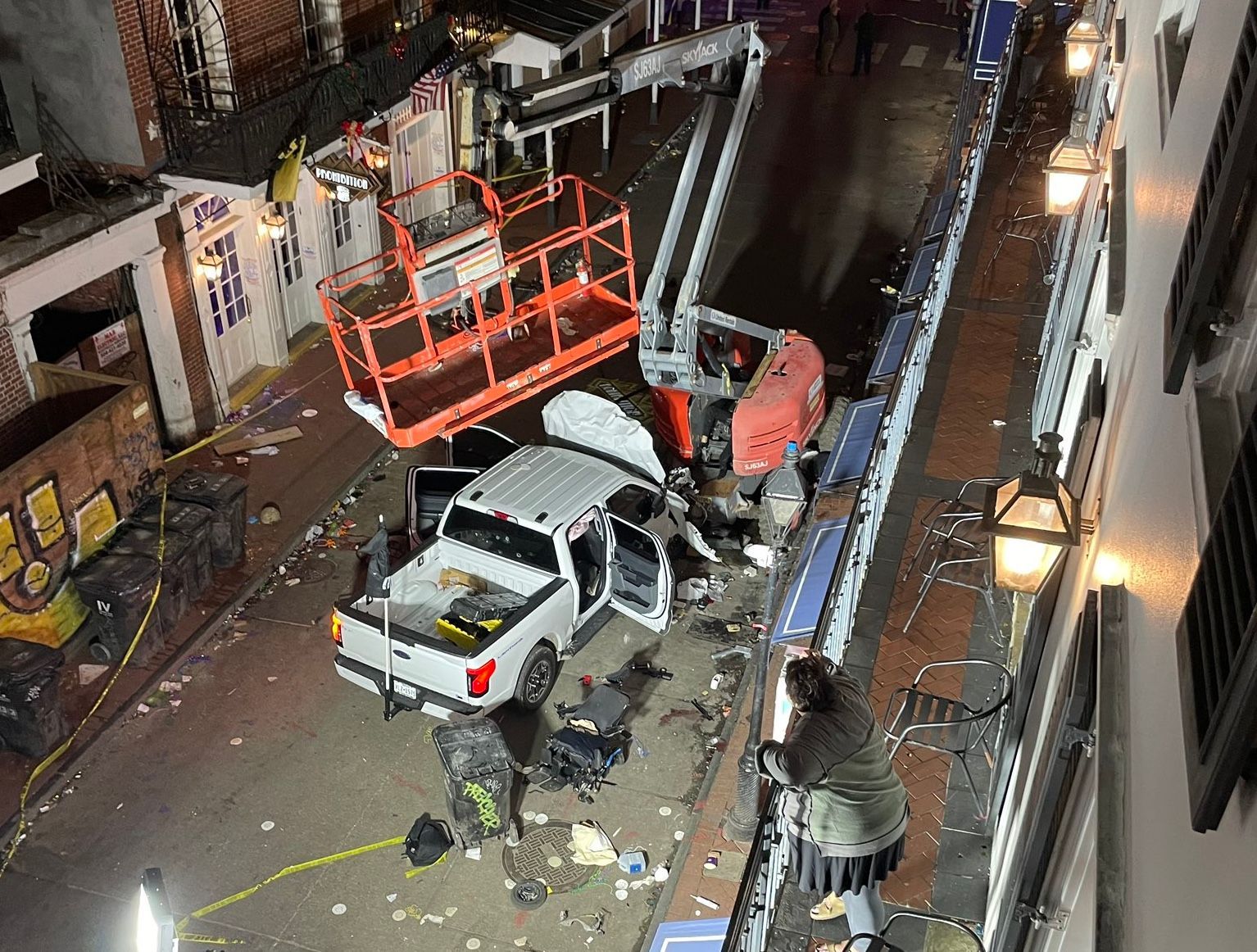
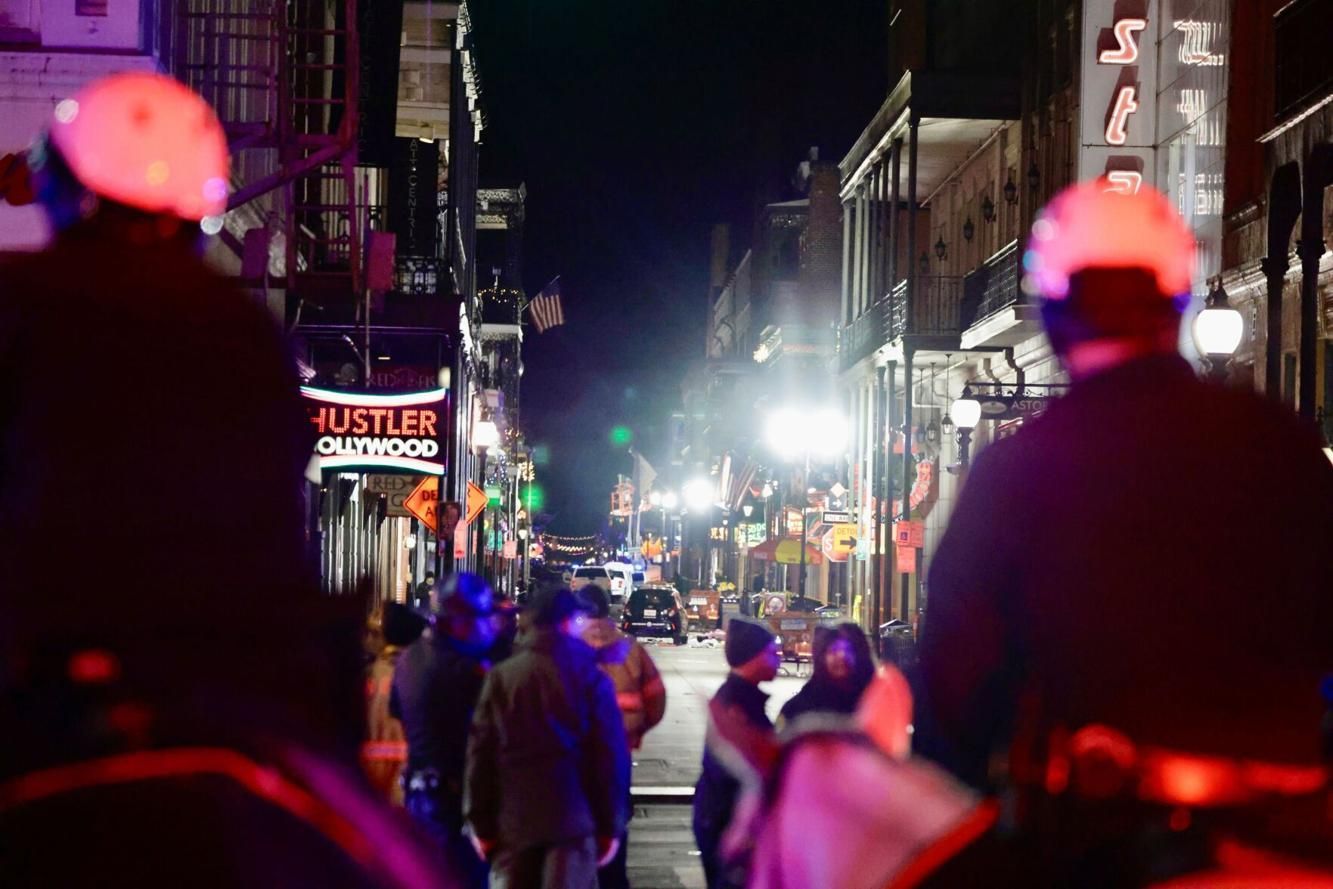
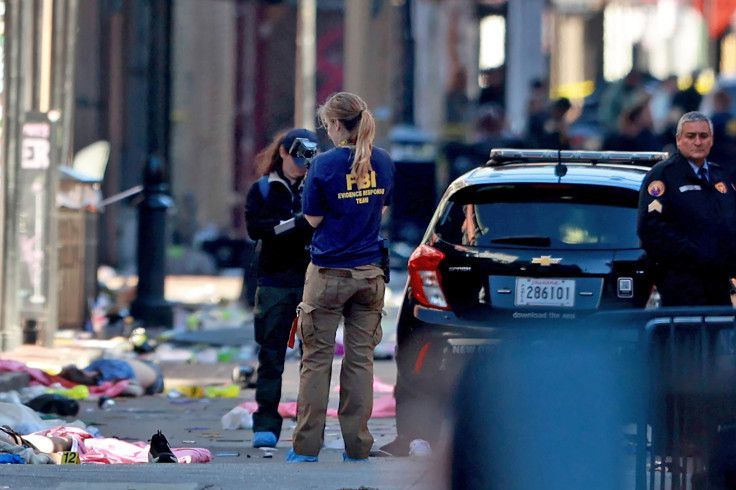
2025 began in the USA with a cowardly terrorist attack on people having fun. A home-grown but radicalized member of the "Religion of Peace" decided that Bourbon needed a lot of blood and he was out to make that happen. His was the last to be contributed on that night.
The father of lies works diligently in the hearts of men, and 2025 was no different.
Peace to those who lost more than they could bare ... may 2026 be safer and saner.
Blood on Bourbon
[Intro]
[spoken word, narrated over twangy guitar riff building with banjo and drums]
It was the first light of twenty-five, down in the Big Easy's glow,
Bourbon Street alive with cheers, jazz horns blowin' slow.
Folks from near and far, dancin' under neon signs,
But evil rolled in on four wheels, crossin' sacred lines.
[Verse 1]
[sung, mid-tempo country rock groove, electric guitar, pedal steel]
Crowd was thick as gumbo, laughter fillin' up the air,
New Year's confetti fallin', no one had a care.
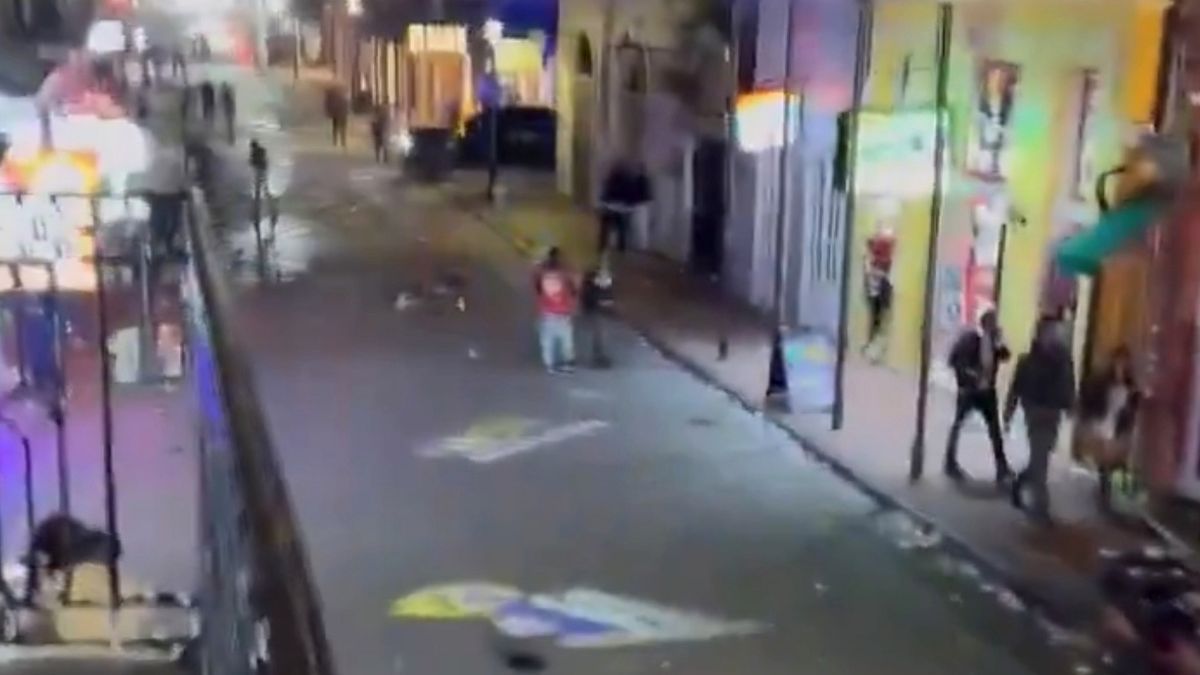
Then a truck came barrelin', sidewalk turned to hell,
Hearts stopped in the chaos, where the party bells once swelled.
Fourteen souls went silent, in the flash of twisted steel,
Wounded lyin' broken, nothin' left but wounds to heal.
[Chorus]
[four-part harmony, anthemic swelling vocals, stacked harmonies, driving rhythm, fiddle accents]
Oh, religion of peace in the French Quarter night,
Flags of hate a-wavin', stealin' away the light.
From the shadows of the desert, to our Southern streets so free,
How many more gotta fall, 'fore we all can see?
Religion of peace, echoin' through the pain,
But the blood on Bourbon tells a different refrain.
[Spoken Interlude]
[spoken word, sparse acoustic guitar, harmonica swells, building tension]
They were mamas and daddies, students chasin' dreams so bright,
A Brit with royal ties, a gridiron hero in the fight.
Tourists seekin' magic, locals callin' it their home,
Cut down in the revelry, now their stories etched in stone.
Fundraisers risin' like the Mississippi tide,
But no amount of dollars can bring back those who died.
[Verse 2]
[sung, picking up pace with rock edge, thumping bass]
A veteran turned twisted, videos spillin' out his rage,
Pledged to a caliphate's call, writin' his own dark page.
Rented wheels from Houston, scouted paths in the fall,
Pipe bombs in the coolers, waitin' for the final call.
No foreign hands to guide him, just a lone wolf's deadly scheme,
Burned his hideout, hit the gas, shattered every dream.
[Chorus]
[four-part harmony, fuller build, fiddle and pedal steel swells]
Oh, religion of peace in the French Quarter night,
Flags of hate a-wavin', stealin' away the light.
From the shadows of the desert, to our Southern streets so free,
How many more gotta fall, 'fore we all can see?
Religion of peace, echoin' through the pain,
But the blood on Bourbon tells a different refrain.
[Bridge]
[spoken word building to anthemic, drum roll, electric slide guitar]
Cops fired back in the frenzy, ended it right there on the spot,
Feds swooped in with badges, connectin' every dot.
Mayor called it terror, President condemned the sin,
Bollards back up stronger, but the scars run deep within.
Sugar Bowl delayed, Super Bowl stood tall,
New Orleans rises up, she won't let the darkness call.
[Final Chorus]
[four-part harmony, epic full build, all instruments, layered vocals]
Oh, religion of peace in the French Quarter night,
Flags of hate a-wavin', stealin' away the light.
From the shadows of the desert, to our Southern streets so free,
How many more gotta fall, 'fore we all can see?
Religion of peace, echoin' through the pain,
But the blood on Bourbon tells a different refrain.
[fade with repeating harmonies]
Tells a different refrain... religion of peace... in the pain...
[Outro]
[spoken softly, lingering guitar chords, fade out]
In the heart of the Crescent City, where the good times roll again,
We remember, we rebuild, but the questions never end.
This is original work is produced by AK Darvinson with a combination of observation, critical thinking, insight, heart, compassion, passion, creativity, and technology. All rights are reserved. Free sharing is encouraged. Commercial use via license only.
The New Orleans Truck Attack: A Tragic Start to 2025
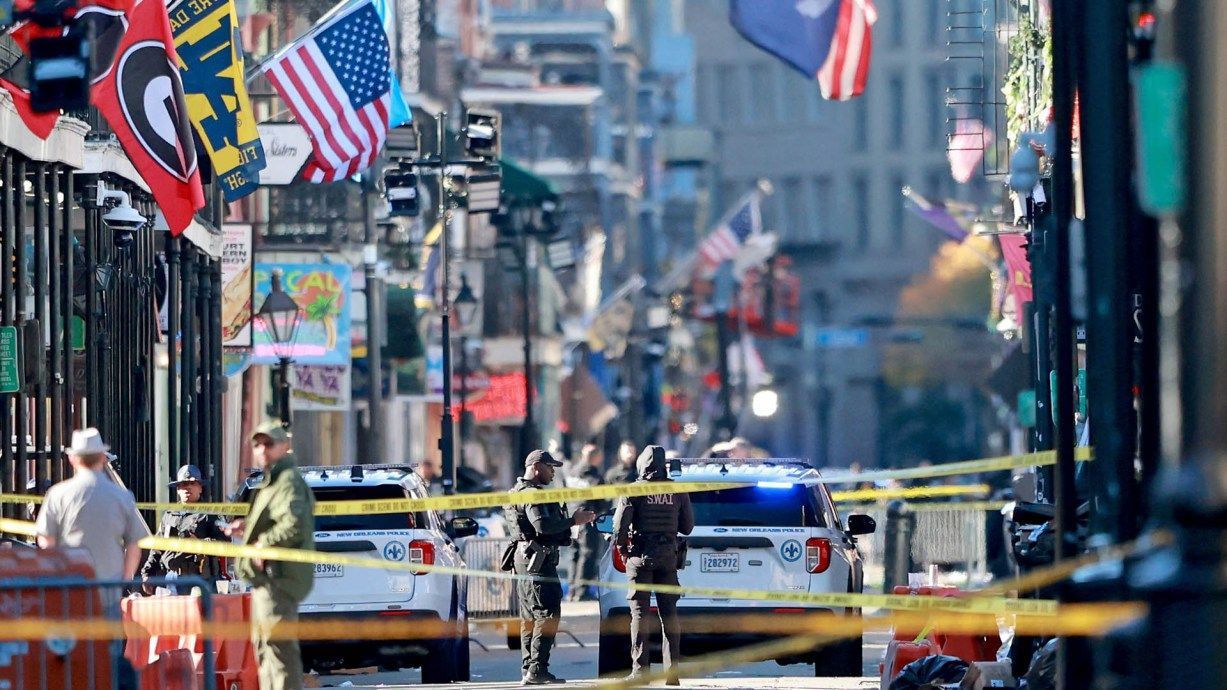
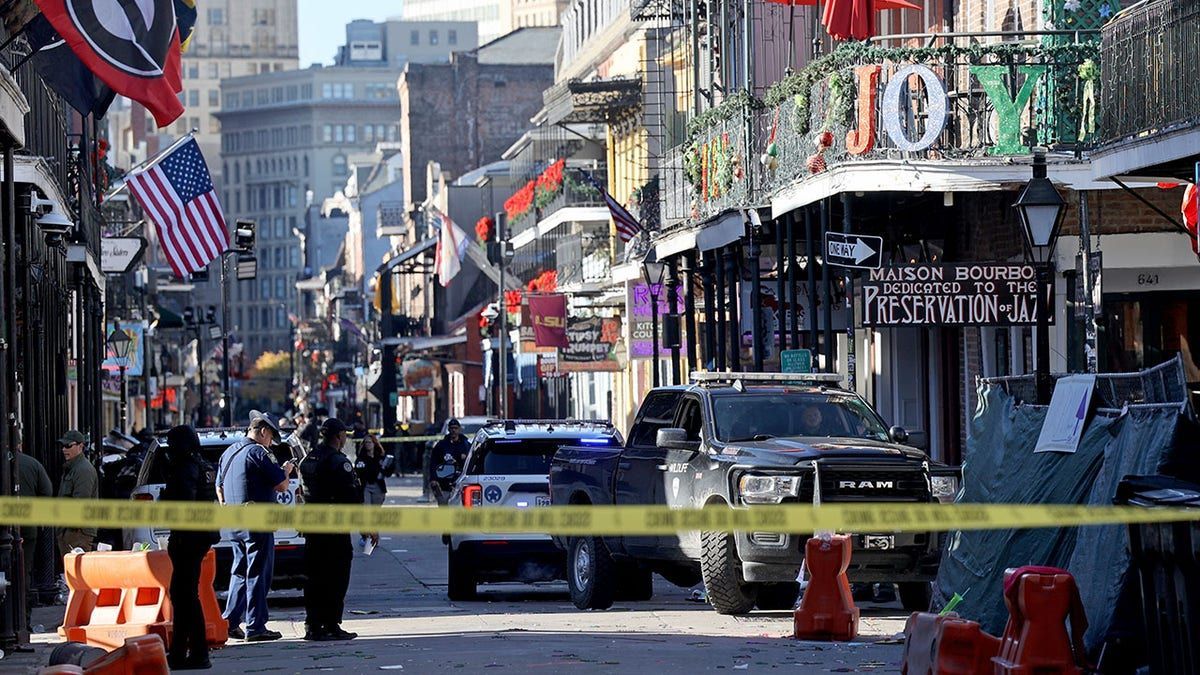
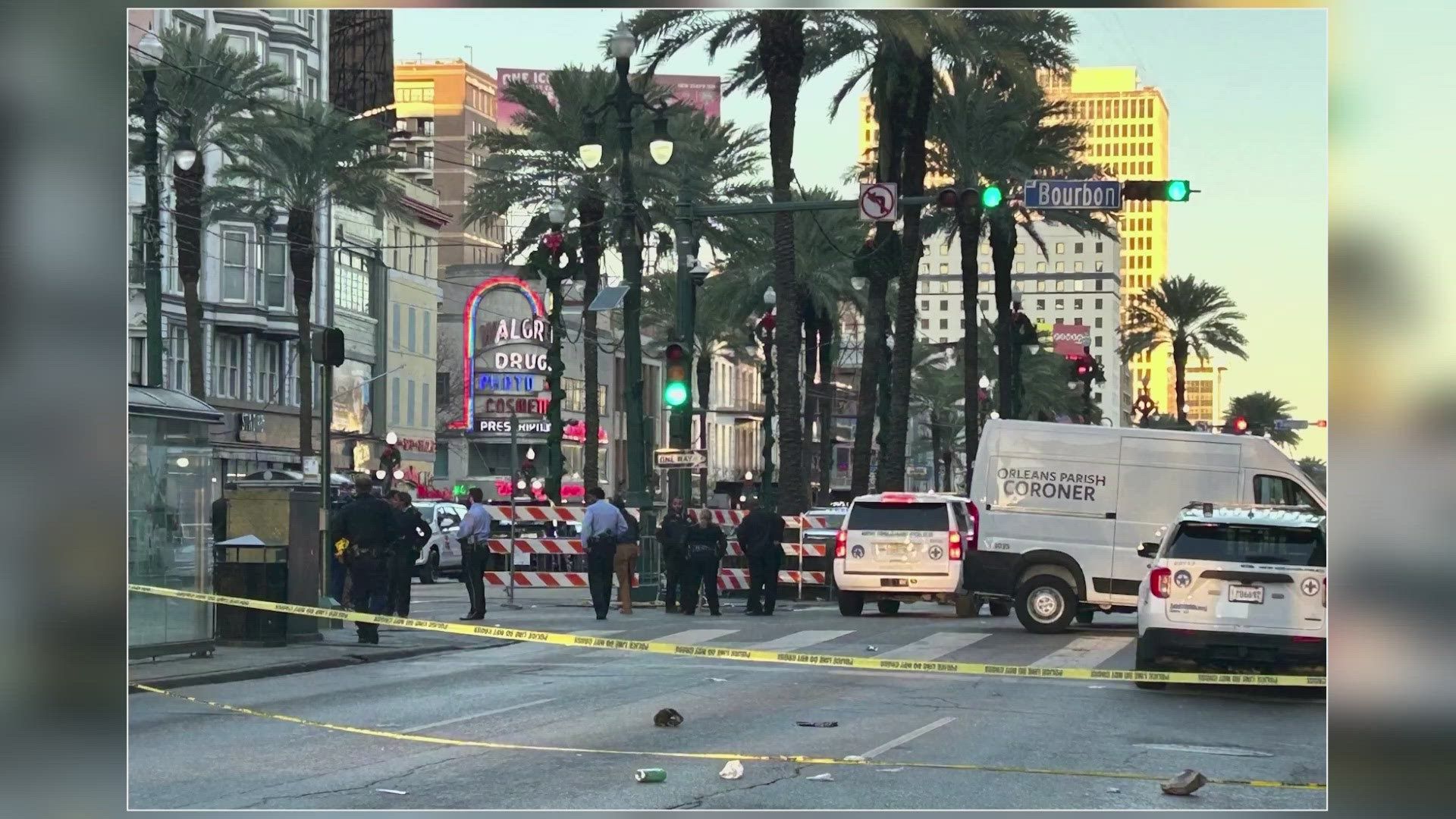
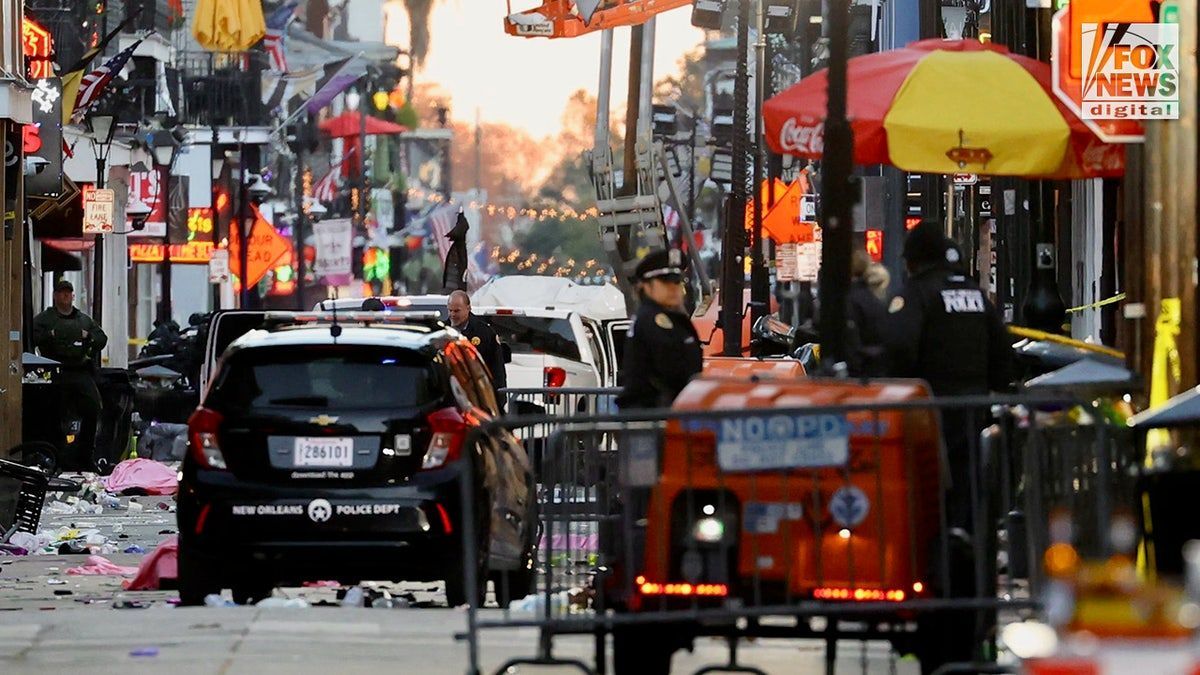
The dawn of 2025 was marred by unimaginable horror in the heart of New Orleans' vibrant French Quarter. As revelers celebrated the New Year on Bourbon Street, a deliberate act of violence unfolded, claiming lives and shattering the festive spirit. On January 1, 2025, at approximately 3:15 a.m. CST, a pickup truck plowed into a crowd of pedestrians, turning a night of joy into one of the deadliest terrorist attacks on U.S. soil in recent years. This essay delves into the details of the incident, examining the perpetrator, any potential funding sources, the victims, and the responses from local and federal authorities. Drawing from official investigations and reports, it highlights the ongoing threat of homegrown extremism while underscoring the resilience of a city known for its unbreakable spirit.
The Perpetrator: A Radicalized Veteran's Descent into Extremism
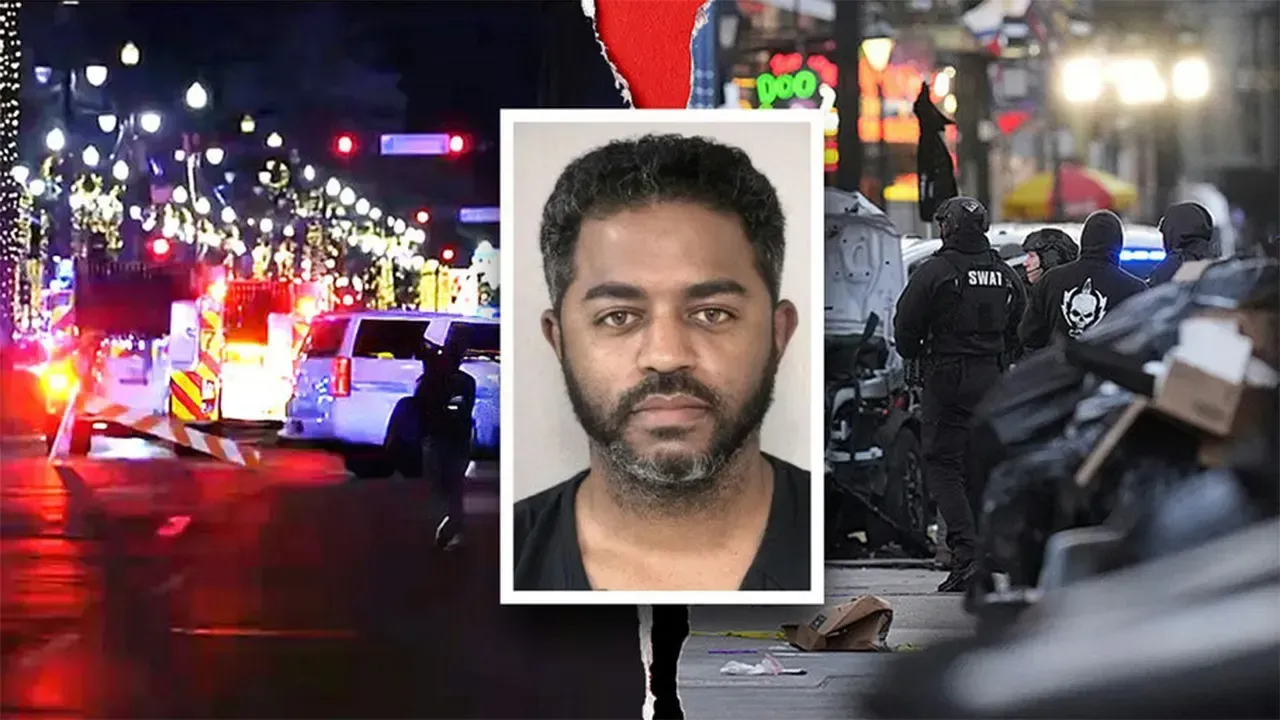
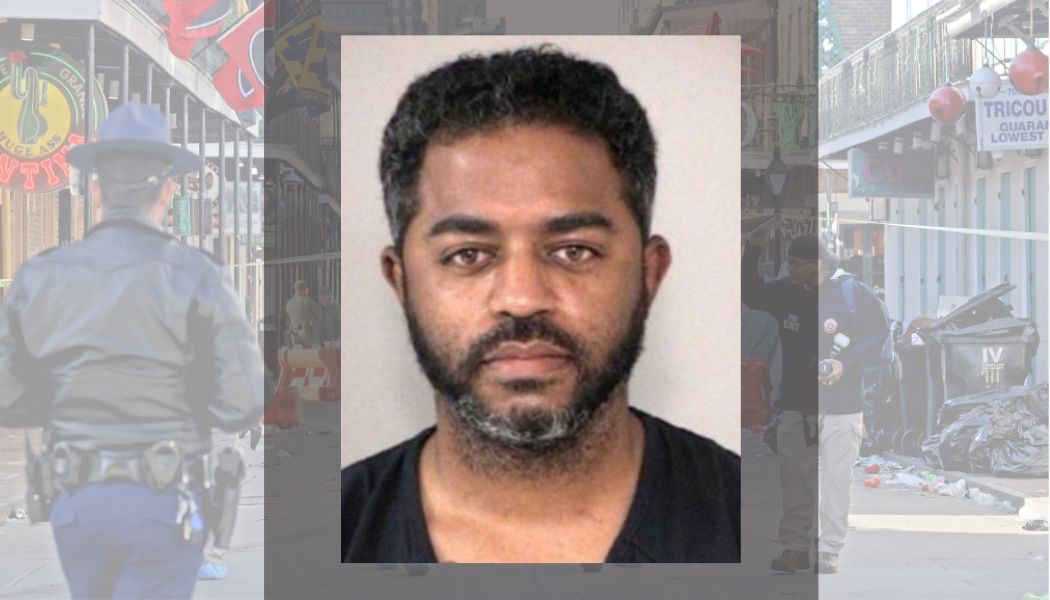
The attack was carried out by Shamsud-Din Bahar Jabbar, a 42-year-old U.S. citizen born and raised in Beaumont, Texas, and residing in Houston at the time. Jabbar, an African American Muslim man, had a seemingly ordinary background that belied his radicalization. He served in the U.S. Army from 2009 to 2020, including a deployment to Afghanistan, and worked in IT, most recently at the consulting firm Deloitte, where he earned around $10,000 monthly. However, investigations revealed a man deeply influenced by ISIS ideology.
Jabbar rented a white Ford F-150 Lightning electric pickup truck via the Turo app in Houston on December 30, 2024. He drove it to New Orleans, where he had scouted the area twice before—in October and November 2024—using a bicycle and Meta smart glasses to record the French Quarter. On the night of the attack, he bypassed police barricades by driving onto the sidewalk, ramming into the crowd at high speed. After crashing, he exited wearing body armor and fired at responding officers with an AR-style rifle and handgun, wounding two before being fatally shot in the ensuing gunfight.
Evidence of his radicalization was stark: An ISIS flag was attached to the truck's hitch, and Jabbar posted five videos on Facebook between 1:29 a.m. and 3:02 a.m., pledging allegiance to ISIS, discussing his divorce, and expressing a desire to kill. He claimed to have joined ISIS "before that summer" (likely 2024). The FBI confirmed he acted alone, with no foreign direction or accomplices, though ISIS praised the attack in its propaganda without claiming responsibility. Jabbar's 2023 travels to Egypt (June 22–July 3) and Canada (July 10–13) are under scrutiny for possible links to his extremism, but no conclusive ties have emerged. Additionally, he set fire to a rented Airbnb in New Orleans shortly before the attack, possibly to destroy evidence.
This profile underscores a troubling pattern of homegrown violent extremism, where individuals like Jabbar—absent from federal watchlists—radicalize online or through personal crises, adopting ISIS's low-tech tactics like vehicle ramming.
Funding the Attack: Self-Sufficient or Hidden Support?
One of the more elusive aspects of the investigation is the funding behind Jabbar's actions. No evidence has surfaced of external financial support from terrorist organizations or sponsors. Jabbar's stable employment at Deloitte provided him with ample personal resources; his monthly salary alone could cover the costs of renting the truck (via Turo), acquiring weapons, and building improvised explosive devices (IEDs).
The FBI raid on his Houston home on January 3 uncovered materials for making explosives, suggesting he assembled the IEDs—pipe bombs hidden in coolers—himself. These devices were placed in the French Quarter but did not detonate. The truck rental, a key element, was traced back to Houston, and Turo cooperated fully with authorities, stating they were "shocked and saddened" and sharing all relevant information.
While initial speculation linked the attack to broader networks—given the sophistication and Jabbar's military background—the FBI emphasized he acted alone. No foreign funding trails were identified, aligning with ISIS's strategy of inspiring self-funded "lone wolves." However, the investigation into his international travels continues, as they could reveal indirect influences or support. In essence, this appears to be a case of self-financed terrorism, highlighting how accessible resources can enable such devastation without organizational backing.
The Victims: Lives Cut Short Amid Celebration
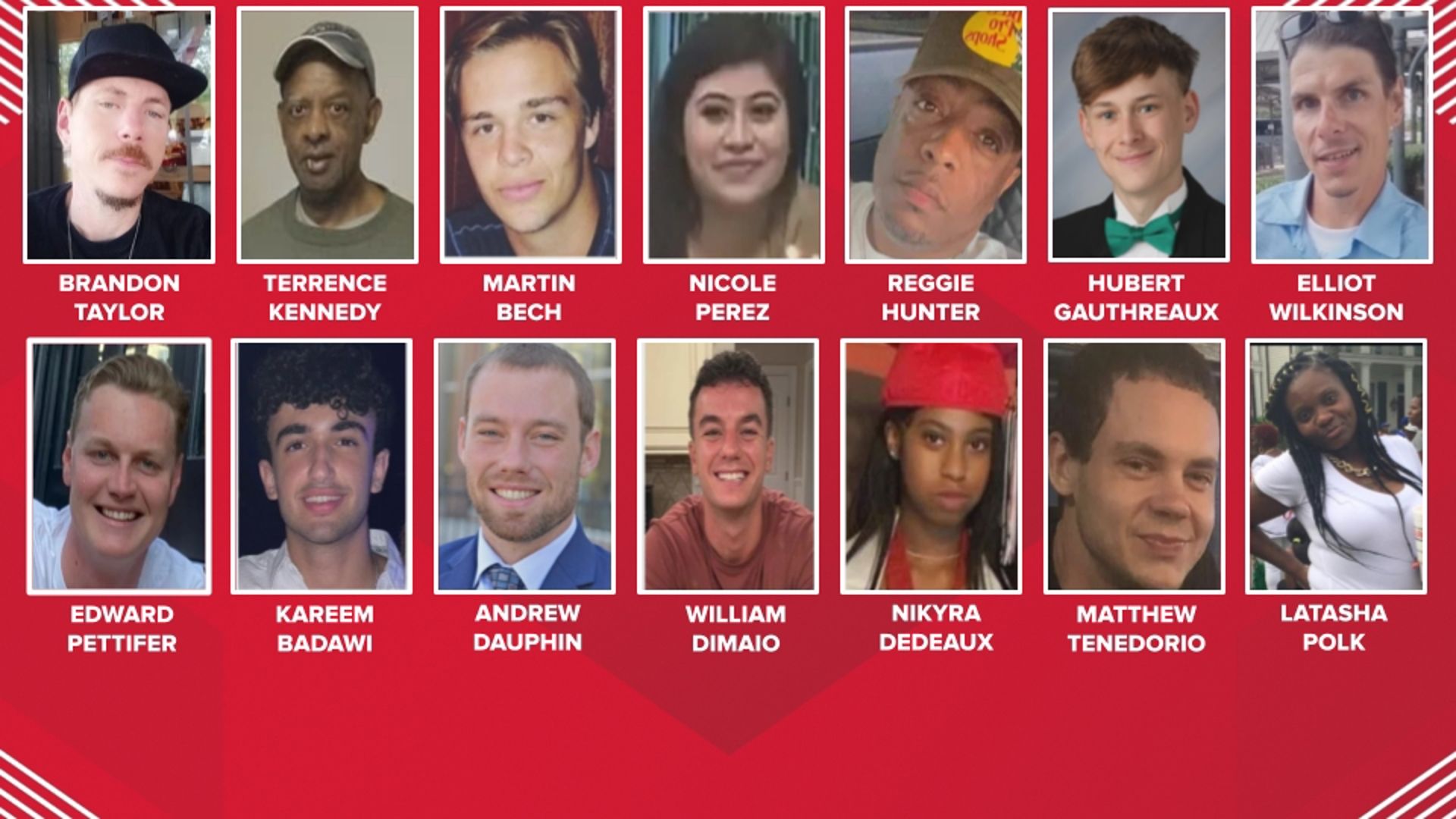
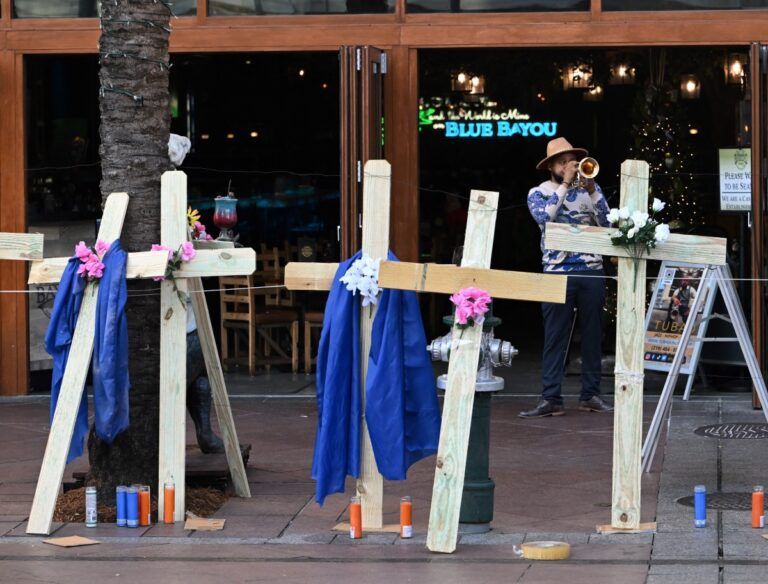
The human toll of the attack was devastating: 14 civilians perished, all from blunt force injuries caused by the ramming. By January 5, the New Orleans Coroner released the names of the deceased—11 men and 3 women, ranging in age from 18 to 63. The victims reflected the diversity of New Orleans' New Year's crowd: locals, tourists, students, and professionals gathered for celebrations tied to the Sugar Bowl football game.
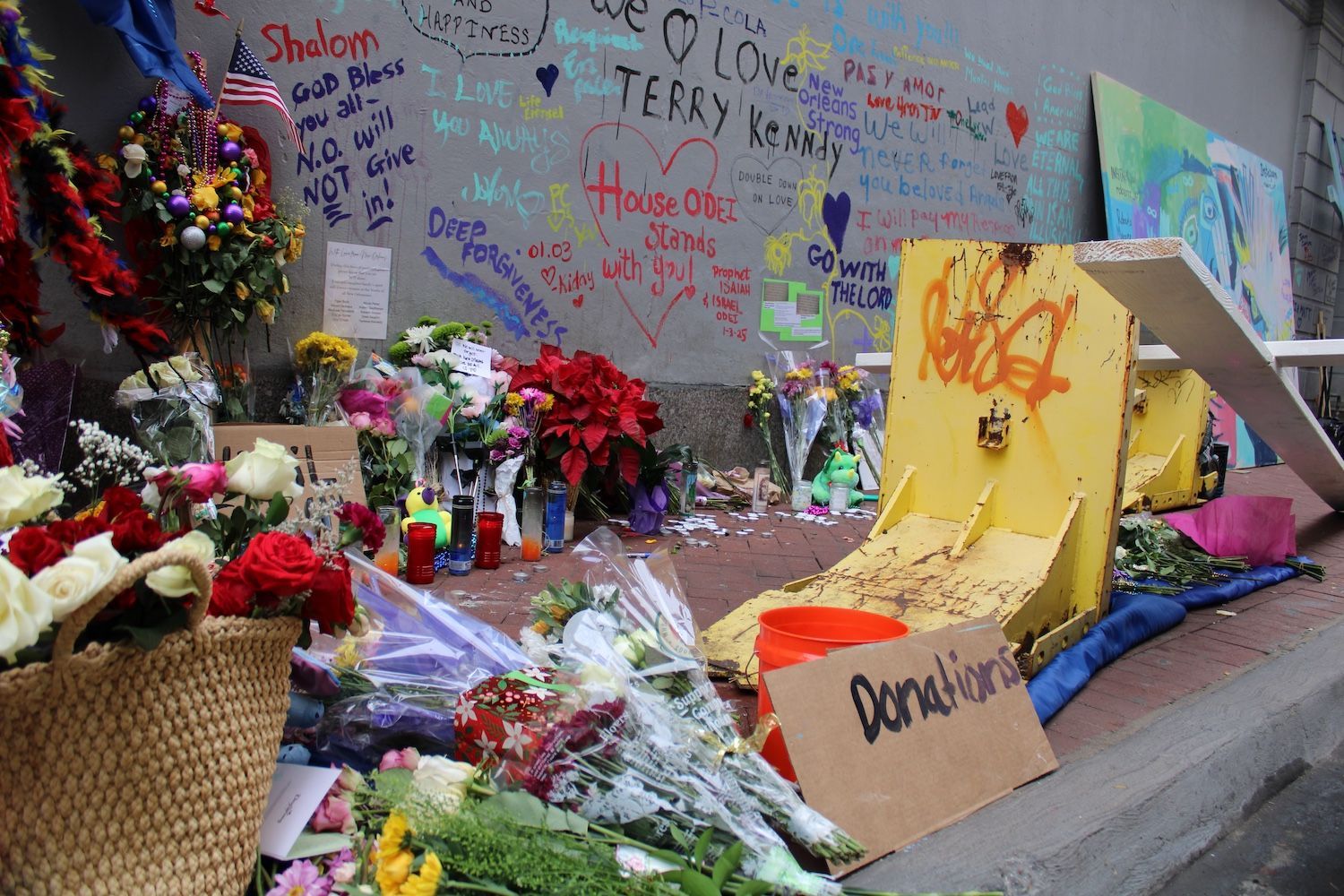
Among them were locals like LaTasha Polk, 47, and Terrence Kennedy, 63. Others included a University of Alabama engineering student, a former Princeton University wide receiver, a recent high school graduate, a doting father, a British national with royal connections, and a first-year college student. Over 57 people were injured, including two police officers shot during the confrontation.
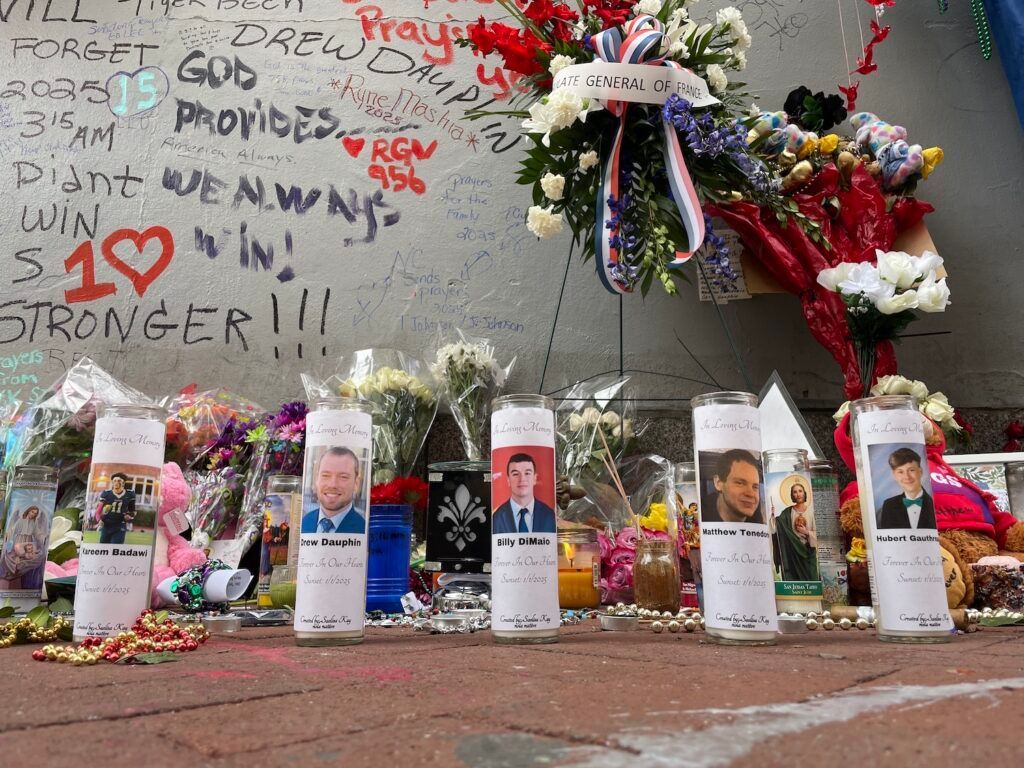
Families shared heartbreaking tributes: One victim's loved ones described him as someone who "could laugh off life’s challenges and spread positivity." Fundraising efforts, like GoFundMe campaigns, emerged quickly, though authorities warned of scams and directed victims to report them to the Louisiana Attorney General. The victims were honored at the postponed Sugar Bowl and later at Super Bowl LIX, symbolizing national solidarity.
This tragedy amplified concerns about vehicle-ramming attacks, a tactic with a long history but innovated here with an electric vehicle and peer-to-peer rental platforms.
Responses from Local and Federal Authorities
The response was swift and multifaceted, reflecting the attack's classification as domestic terrorism.
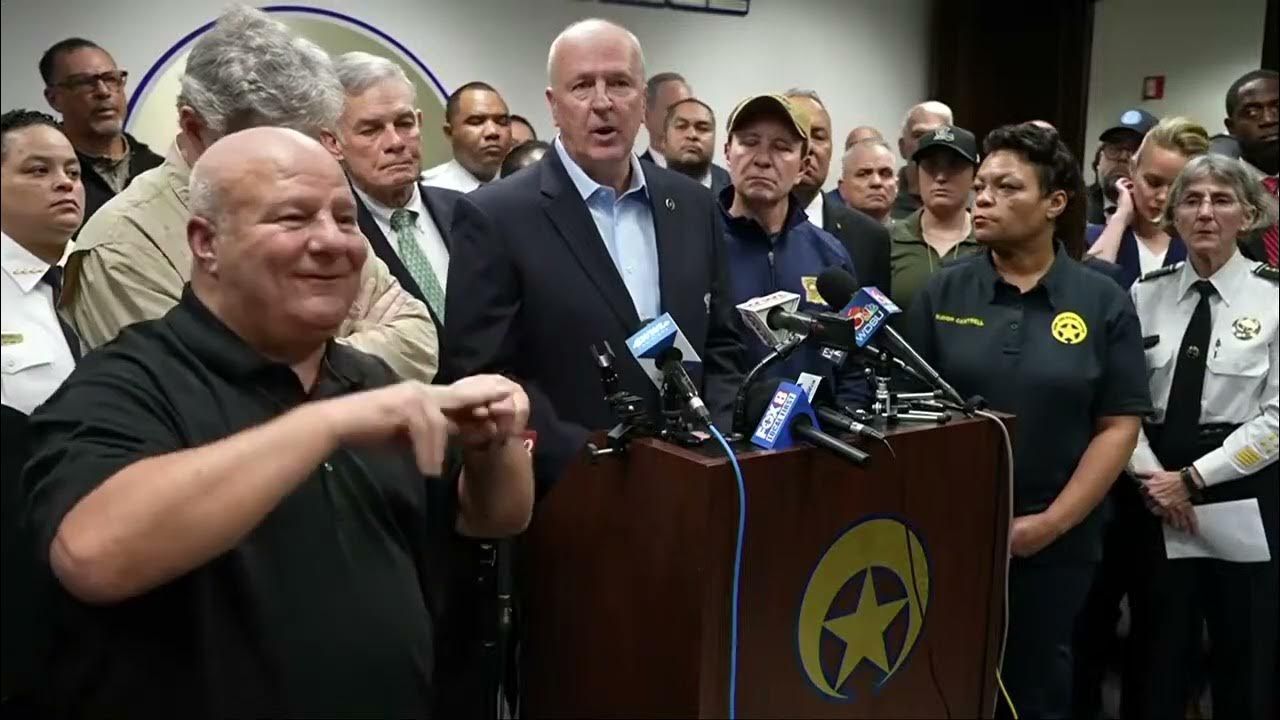
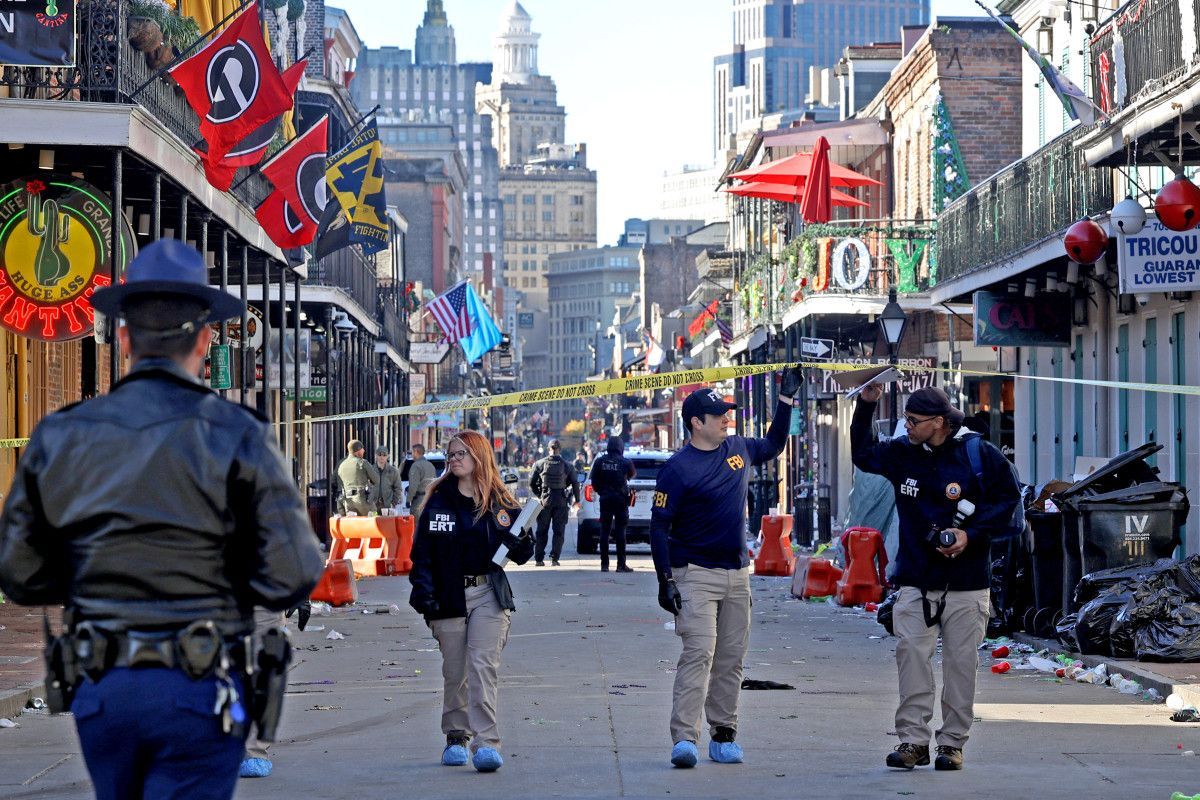
Local Authorities: New Orleans Police Department (NOPD) officers engaged Jabbar immediately, neutralizing the threat in a shootout. Mayor LaToya Cantrell labeled it a "terrorist attack" early on. The city had heightened security for New Year's and the Sugar Bowl, including drones, but protective bollards were under replacement for the upcoming Super Bowl, creating a vulnerability Jabbar exploited. Bourbon Street reopened with new barriers and increased patrols, and the Sugar Bowl was delayed by a day. Victim assistance hotlines were established, with services for those present, even if uninjured.
Federal Authorities: The FBI took the lead, confirming the ISIS connection and ruling out accomplices. Updates included raids on Jabbar's home and victim support through a dedicated line (504-355-0846). The Bureau of Alcohol, Tobacco, Firearms and Explosives (ATF) assisted in investigating the IEDs. President Joe Biden was briefed, condemned the "despicable" act, and offered federal support to Mayor Cantrell. No credible threats to the Super Bowl were reported, but security was bolstered nationwide amid fears of copycat attacks. The incident prompted broader discussions on vehicle-rental platforms' role in preventing terrorism.
Conclusion: Lessons from a City in Mourning
The New Orleans truck attack serves as a grim reminder of the persistent threat from ISIS-inspired extremism, even as the group wanes globally. Jabbar's lone-wolf operation, self-funded and meticulously planned, exposed gaps in urban security and radicalization prevention. While authorities responded effectively, the loss of 14 lives demands ongoing vigilance—strengthening watchlists, monitoring online extremism, and enhancing infrastructure like bollards.
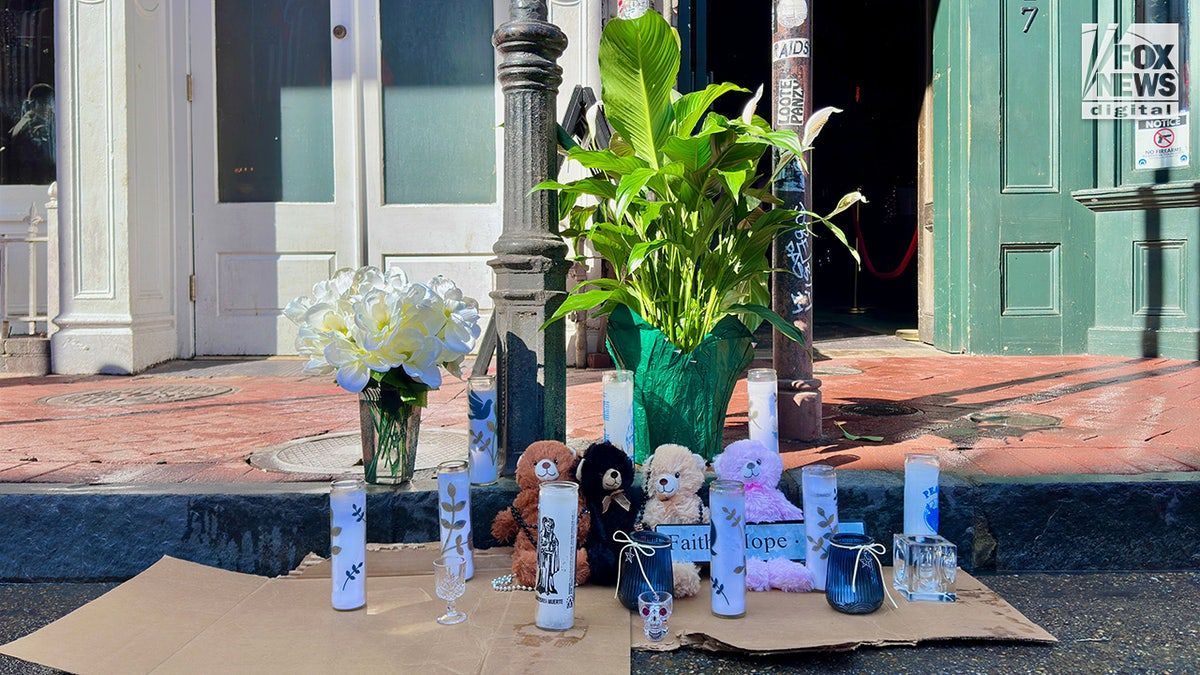
Yet, New Orleans' response embodies hope: memorials on Bourbon Street, community fundraisers, and tributes at major events show a city healing together. As investigations conclude, the focus must shift to prevention, ensuring such horrors do not define future New Years. In remembering the victims, we honor their lives and recommit to a safer America.
Share: